

How to arrange furniture in a narrow living room is a puzzle that challenges most homeowners and renters. When your living space is long, limited in width, and riddled with windows, doors, and maybe even a fireplace, creating a comfortable, functional layout feels overwhelming. This guide gives realistic, actionable answers based on expert research and real-life room makeovers.
Key Takeaways
- Prioritize open pathways: leave at least 3 feet for walkways, even in small spaces.
- Float furniture, divide your room into cozy zones, and choose modular or wall-mounted pieces whenever possible.
- Avoid shrinking your room with too-small rugs or by pushing all furniture against the walls—create groupings for function and flow.
Table of Contents
The Core Concept
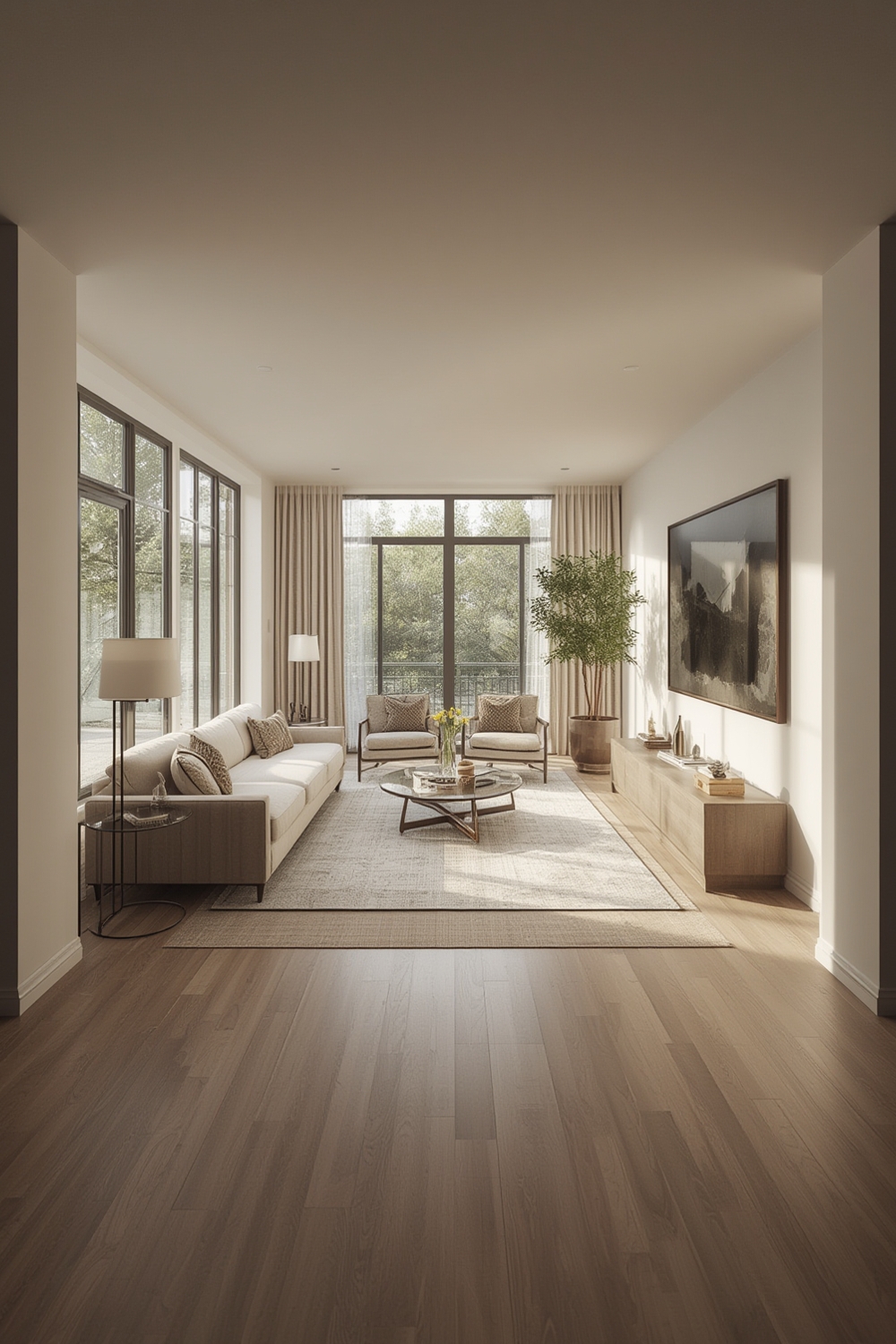
Narrow living rooms—commonly measuring 12 to 15 feet wide and 25 to 30 feet long—force you to rethink traditional layouts. Standard advice from design experts centers on maintaining clear walkways at least 3 feet wide [source], using larger rugs to unite zones, and ensuring every seat has a surface for drinks or books. Clustering all your furniture against the walls, or crowding one end with a huge sectional, actually makes the room feel even narrower and less functional. Instead, smart arrangements prioritize flow, flexibility, and visual tricks that expand the sense of space.
Step-by-Step Guide
- Measure Your Room and Major Obstacles
Use a tape measure to note total width and length, along with the placement of every window, door, and fireplace. Note any wall protrusions. Sketch out the usable “footprint” for furniture. - Envision Two (or More) Distinct Zones
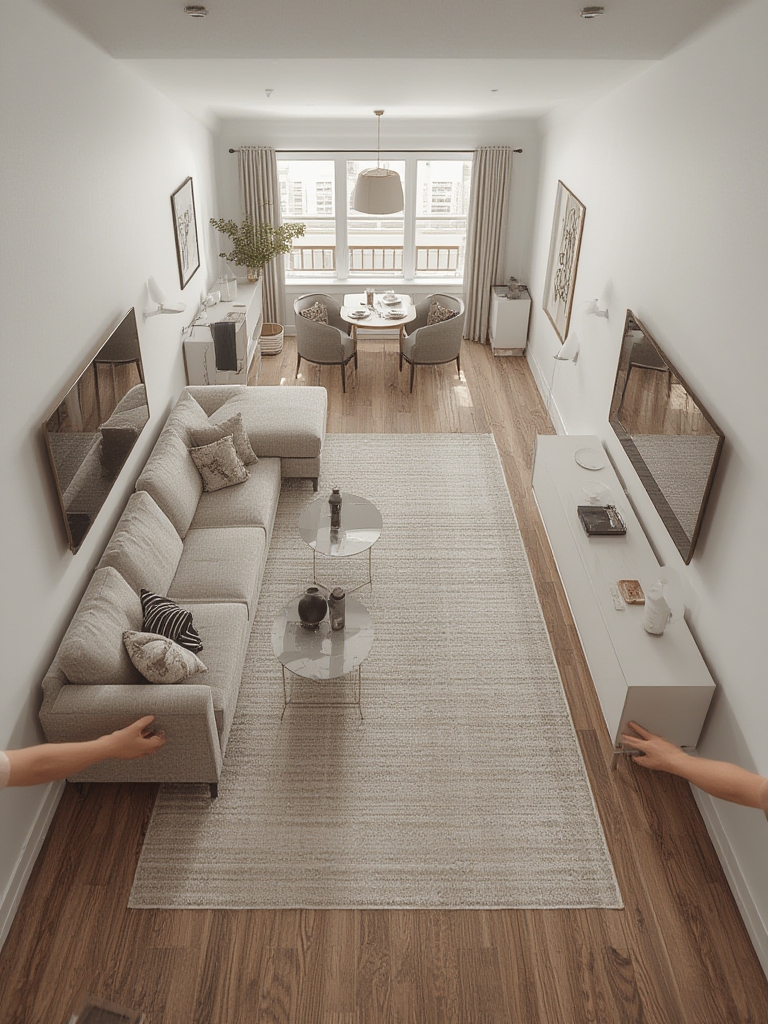
Divide a long room into functional sections: a conversation area, and (if space allows) a reading nook, study, or play area. Define each zone with an ample-sized rug—aim for 8×10 feet leaving an 18-inch border. This step avoids a bowling alley look and lets you dedicate space for different needs. - Float Furniture Strategically
Float sofas and chairs away from the walls wherever possible. This creates natural pathways and breathing room. Keep the minimum walkway at 3 feet wide (especially between tall furniture or main traffic routes)[source]. - Choose the Right Pieces
- Sofa: Opt for sleek designs or modular sofas between 72 and 96 inches long. Modular sofas let you reshape your seating as needed and work beautifully in awkward spaces. Read more about modular sofas for small spaces.
- Chairs: Use a pair or quartet of slim-profile chairs (17–19 inch seat height) instead of a chunky loveseat. This keeps sightlines open and makes moving through the room simpler.
- Coffee & Side Tables: Skip the massive central coffee table. Try nesting tables or slender consoles—these tuck away easily and flex as needed. See our nesting tables space saving guide.
- Storage: Opt for built-in shelving or wall-mounted storage units to lift storage off the floor, expand visual space, and accommodate the “L” or “N” shaped layouts that work so well in narrow rooms. For more on this, see our built-in storage solutions guide.
- Extra Features: Use a console table behind a floating sofa or to anchor a reading zone. Dual-purpose storage furniture further maximizes your usable area—browse our favorite dual purpose storage furniture.
- Mind Your Measurements
Leave 14–16 inches between sofa and cocktail table (or just 12 inches for an ottoman). Ensure everyone has a surface within an arm’s reach. Try not to block any windows or visual links between main living areas and focal points like the fireplace or TV. - Use Lighting and Decor to Expand the Room
Bounce light with mirrors and glass. Hang art and shelves vertically to draw the eye upward and “stretch” the sense of width. Don’t crowd walls with heavy curtains or dark paint if your natural light is limited. Oversized statement pieces work wonders—here’s a guide to oversized wall art for small rooms.
Advanced Analysis & Common Pitfalls
People often make the same mistakes with narrow living rooms: pushing all furniture to the wall, buying oversized sofas, or ignoring pathways. Let’s look at real complaints users share in forums and product reviews—and how the pros overcome them.
- Common Complaint 1: “My long sofa blocks half the window.”
Solution: Float your sofa or switch to two chairs; keep nothing tall against focal points or light sources. - Common Complaint 2: “The room feels cluttered and cramped.”
Solution: Use modular, slim-profile, or freestanding furniture for renters to maximize flexibility, keep storage off the floor, and avoid overfurnishing. - Common Complaint 3: “There’s no clear flow from entryway to living space.”
Solution: Prioritize a central, 3-foot walkway and position seating so movement never crosses the main viewing path for the TV or fireplace. Use area rugs to define pathways. - Common Complaint 4: “Conversations feel awkward—everyone faces the TV.”
Solution: Arrange seats to face each other in a U, L, or even circular grouping (curved furniture tricks for small rooms), using smaller modular pieces to keep things flexible.
| Problem | What Often Happens | Best Practice |
|---|---|---|
| Walkway is less than 3 feet wide | People trip over corners or feel crowded | Float furniture, minimize overhanging tables, use wall-mounted shelving |
| Too-small rugs under furniture | Space looks disjointed and cramped | Choose 8×10 foot rugs, leave 18-inch border |
| Sofa or TV blocks door/window | Light is lost; circulation suffers | Split layout into multiple zones, avoid placing large items in front of architectural features |
| Furniture lines room perimeter | No “conversation area”; the center feels empty | Group seating toward the center, use consoles behind the sofa |
| No surfaces near every seat | Constantly juggling drinks/devices on laps | Use nesting/side tables or built-ins within arm’s reach |
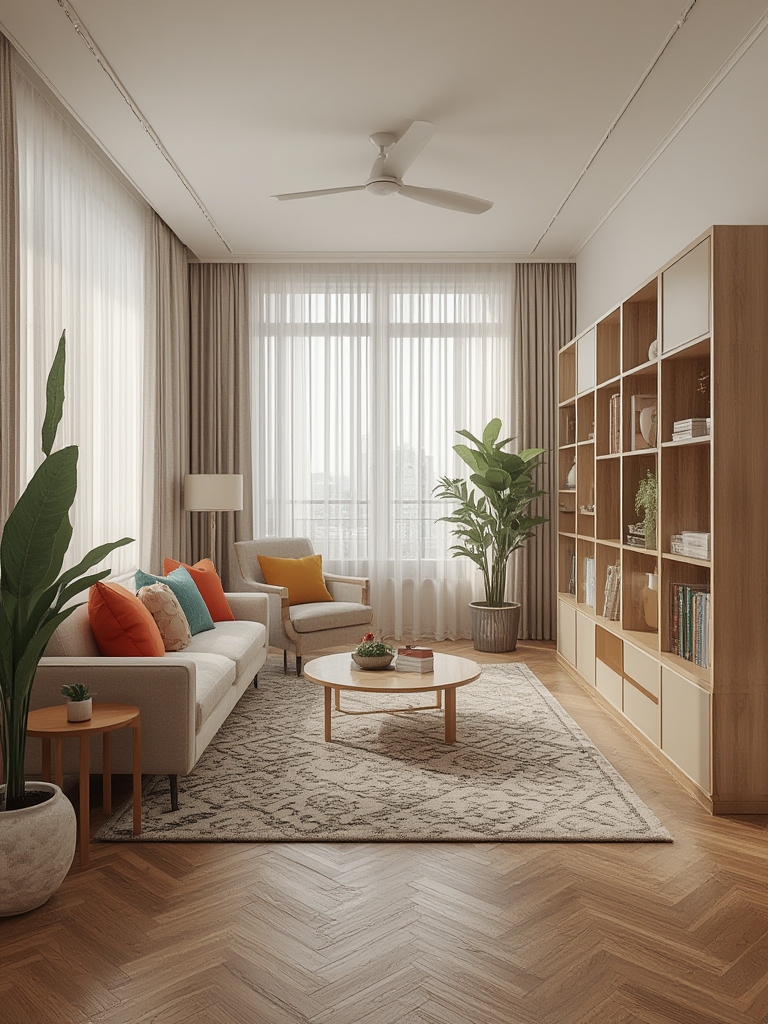
Expert case studies show that dividing the room visually—such as a conversation area in front, a fireplace nook in back, and no massive coffee table—dramatically improves airiness and function [see before-and-after details].
Conclusion
Learning how to arrange furniture in a narrow living room comes down to honoring traffic flow, choosing smart modular or wall-hung pieces, floating your layout, and defining useful zones with rugs. By avoiding perimeter furniture arrangements and embracing bold design moves like large art and mirrors, it’s possible to transform even the most awkward room. Ready to reimagine your space? Measure your room, float your best pieces, and see how flexible design can open up your narrow living room.
Want more space-saving solutions? Explore our complete guides and start your design project today.
FAQ
What is the best way to divide a long, narrow living room into zones?
Use area rugs to define separate functional areas, such as a conversation zone and a study nook. Float furniture to break up the length, avoiding a single “bowling alley” arrangement. This approach is proven in both expert advice and real-life case studies.
How much space should I leave for walkways in a narrow living room?
Leave at least 3 feet (36 inches) for primary walkways to ensure comfortable circulation. Between the sofa and a table, 14–16 inches is ideal, or 12 inches for ottomans.
Can I use a sectional sofa in a narrow living room?
Yes, but choose a slim or modular sectional that can be rearranged. Avoid pushing it against the longest wall; instead, try floating it in the center and pairing it with movable tables or poufs for flexibility. For ideas, see our modular sofa guide.
Are built-in shelves or wall-mounted storage worth it?
Absolutely. Wall-mounted storage creates an illusion of extra width and visual openness, frees up valuable floor space, and aligns perfectly with the needs of narrow rooms. Explore inspiration on our built-in storage page.
What rug size works best in a narrow living room?
Choose an 8×10 foot rug, leaving about 18 inches of border all around, or an 8-foot square rug for smaller zones. The front legs of your seating should sit on the rug to unify the area and visually widen the room.
[…] forget the details: consider built-in benches with storage, smart living room arrangements for awkward corners, and eco-friendly storage materials to align with current green […]