

Barndominium ideas are transforming the way homeowners approach modern living, blending open-concept layouts, flexible spaces, and striking rustic features with all the amenities of a contemporary home.
Key Takeaways
- Barndominiums emphasize flexible, open layouts with multi-use areas and adaptable furniture.
- smart home tech, abundant natural light, and a balance between rustic charm and modern finishes define current barndominium design trends.
- Planning for acoustics, climate control, and practical storage are essential to ensure these homes are livable long-term.
Table of Contents
The Core Concept
Barndominiums are residences inspired by barn architecture, reimagined for today’s lifestyles. Their popularity stems from their open-concept layouts, which let you customize your home’s function on your terms. Whether you dream of blending a living area with a workshop, maximizing storage with a loft, or just enjoying a sunlit great room under soaring ceilings, barndominium ideas put flexibility first. Unlike a typical home, these spaces let you reorganize interiors with movable dividers or adaptive furniture to fit your needs at every stage of life.
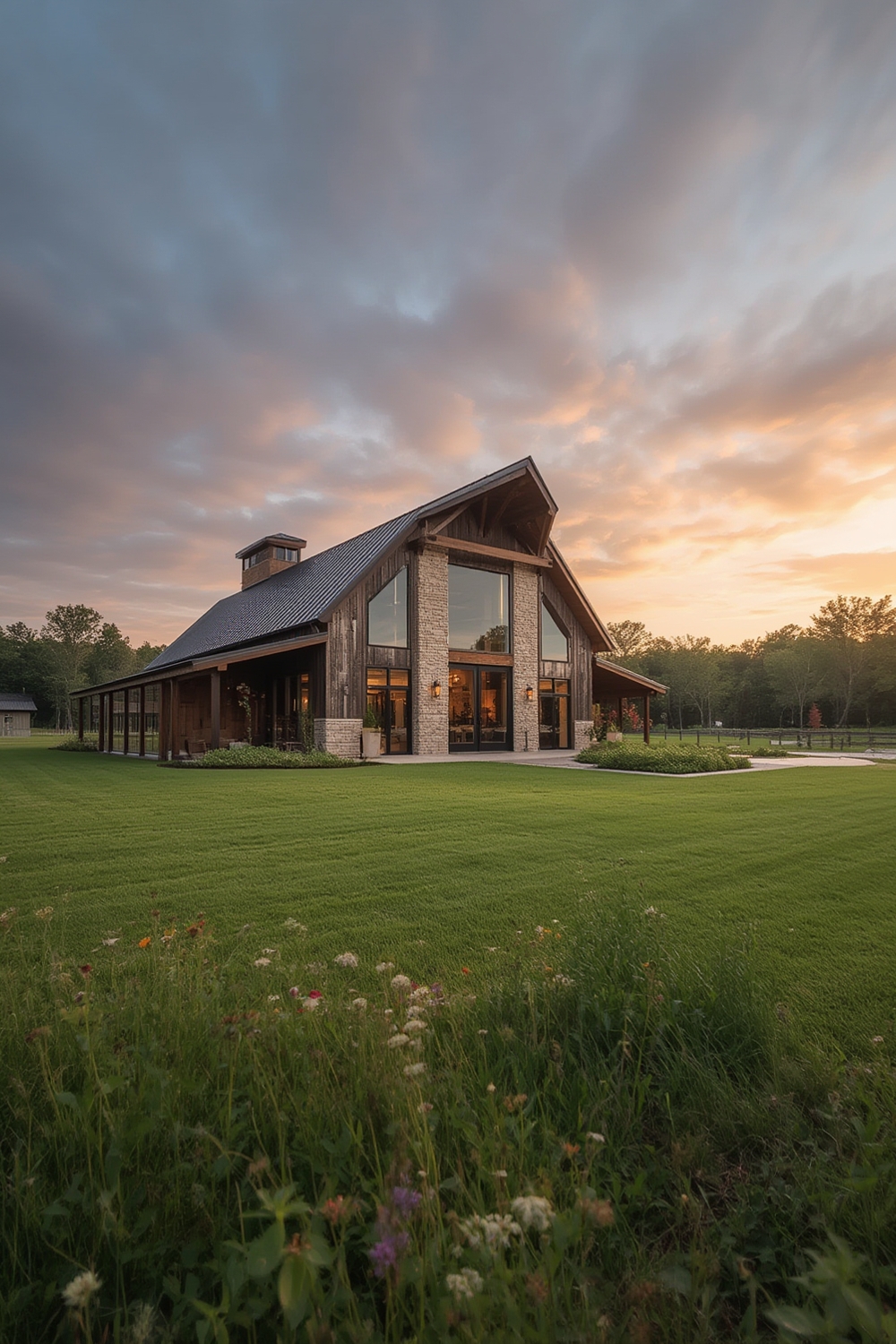
This trend is propelled by features like exposed wooden beams, large windows, wraparound porches, and the seamless integration of smart home tech. Modern barndominiums frequently incorporate hybrid spaces, such as combined kitchen-workshops, offices attached to garages, or game rooms next to living areas. The result is an adaptable, bright, and inviting space that feels both functional and welcoming.
The movement toward barndominiums is also fueled by their reputation for being cost-effective or “affordable luxury” alternatives to conventional homes, making them attainable for those seeking unique architectural style and flexible living. For a deeper overview of design and feature trends, see this guide to barndominium trends and a recent summary from Oak & Steel Barndos.
Step-by-Step Guide
- Define Your Needs: Make a list of essential spaces—living, working, storage, leisure—and estimate their sizes. Will you need a garage, office, or hobby space? Consider the possibility for combined or hybrid rooms, such as a kitchen and workshop separated by sliding dividers.
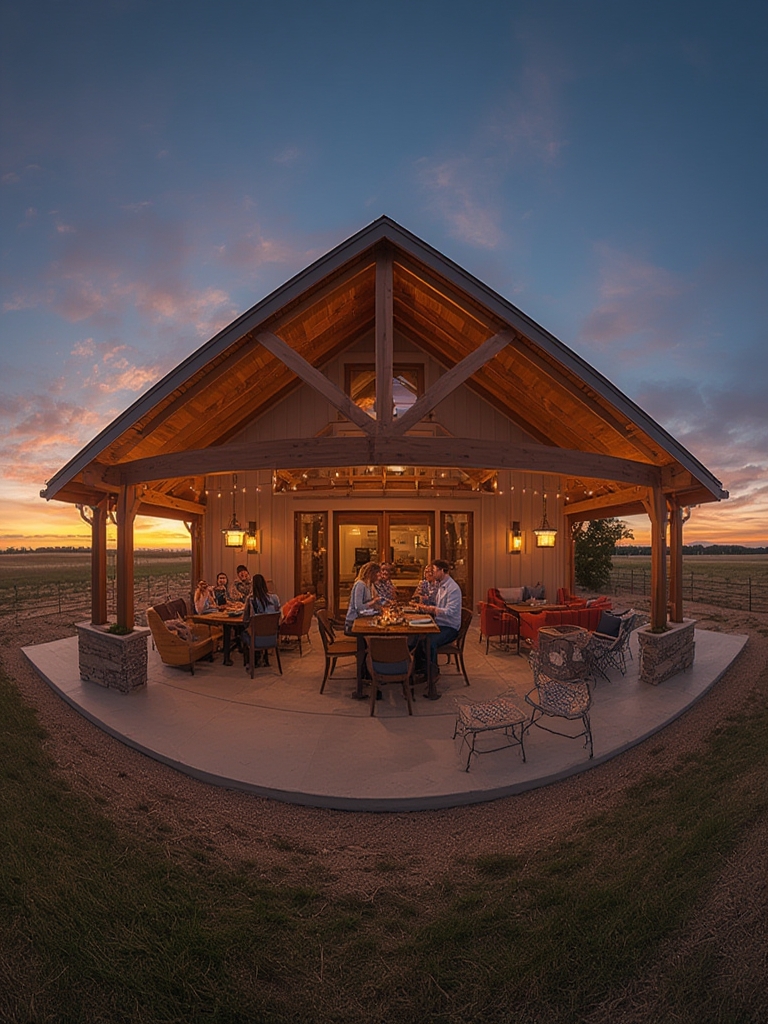
- Prioritize Natural Light and Flow: Plan your layout with plenty of large windows and, where possible, install a wraparound porch. This maximizes daylight and extends your living space outdoors. Lightweight partition walls or screens can define zones while still letting light travel throughout open spaces.
- Design for Flexibility: Incorporate movable room dividers, modular furniture, and adaptive storage. These provide the power to reconfigure rooms with shifting needs. For example, using multifunctional storage furniture lets you adapt guest spaces or hobby rooms as your life changes.
- Blend Rustic and Modern: Use exposed beams, metal accents, and earthy textures for the “barn” feel, but update the look with contemporary lighting, smooth finishes, and integrated smart controls. Curved furniture [circular options] now trend for their softness in open plans.
- Integrate Storage Creatively: Open layouts can look cluttered quickly. Opt for built-in storage or wall-mounted shelving to avoid blocking flow or natural light.
- Account for Acoustics and Climate: Large, airy barndominiums can echo or become drafty. Plan for acoustic panels, soft textiles, and an HVAC system sized for open spaces. Consider radiant floor heating for comfort in winter.
- Choose Appliances and Tech Wisely: Open kitchens benefit from commercial-grade stoves or islands, but layout matters for noise and workflow. If you work from home, look at wall-mounted folding tables to create offices that disappear after hours.
- Customize Vertically: High ceilings invite you to expand up, not just out. Lofts or elevated nooks increase usable area without enlarging the footprint. Use modular sofas to define gathering or relaxing zones beneath.
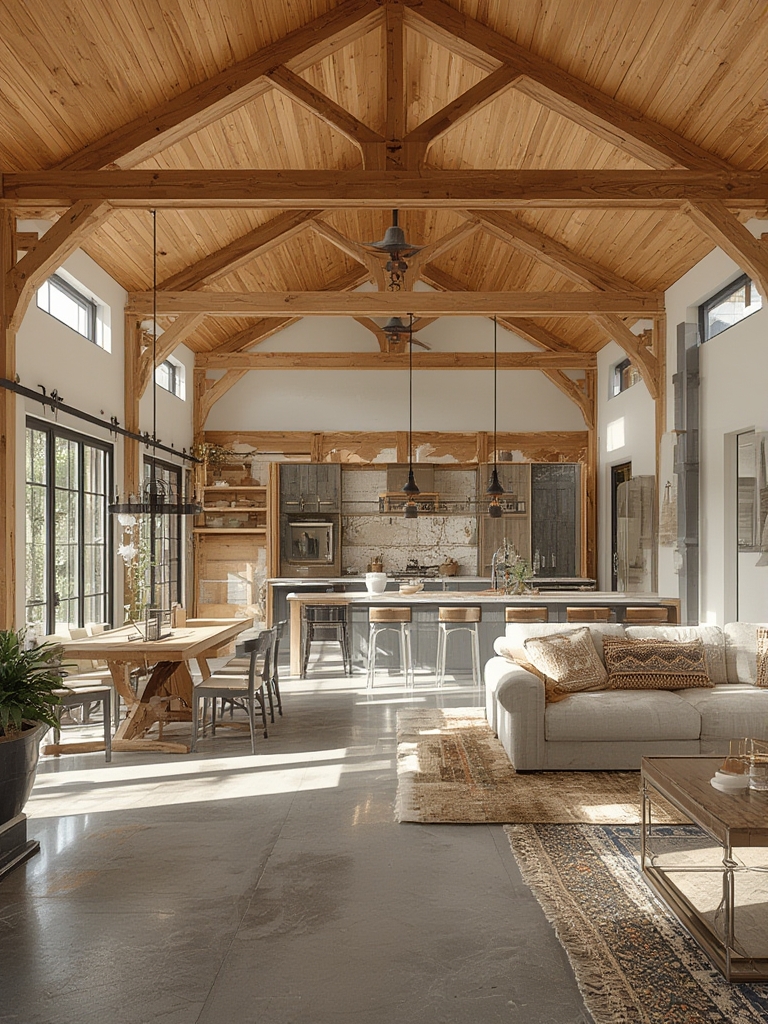
Don’t forget the details: consider built-in benches with storage, smart living room arrangements for awkward corners, and eco-friendly storage materials to align with current green trends.
Throughout your planning, check out barndominium-specific house plans at HousePlans.com for inspiration and to see how others incorporate unique features like RV storage or game rooms.
Advanced Analysis & Common Pitfalls
Despite their many strengths, barndominiums come with challenges. Here’s what you need to watch for—plus some realistic advice.
- Unmanaged open space creates acoustics issues. Sound can echo across large rooms. Without soft materials, panels, or well-placed carpets and curtains, privacy is limited.
- Climate control can be tricky. High ceilings and big windows look stunning but make heating and cooling expensive if your HVAC isn’t sized and zoned correctly.
- Storage is easy to overlook. Open layouts risk clutter if you don’t build in strategic shelving, closets, or hidden storage.
- Furniture placement is crucial. In big rooms, arranging multipurpose areas without an overwhelming sense of chaos takes planning. Check out guides for awkward living rooms or consider nesting tables to keep circulation easy and adjustable.
- Kitchen noise travels. Without walls, the sound of cooking can fill the space fast. This is especially true with high-powered, commercial appliances. If you love performance stoves, add acoustic buffering nearby.
Below is a side-by-side comparison of trending ceiling solutions you might see in barndominiums:
| Ceiling Type | Aesthetics | Practicality | Considerations |
|---|---|---|---|
| Exposed Rafters | Striking, rustic charm | Highlight vertical space, can hide ducts | Dust-prone, can amplify echo |
| Vaulted Drywall | Clean, modern, bright | Easier to insulate, reflects light | More costly to finish |
| Wood Paneling | Warmth, natural style | Helps dampen echo, timeless | Needs periodic maintenance |
A final word on cost: while barndominiums are widely described as cost-effective, actual construction and interior finishing expenses vary by region and features. Always verify with local builders, as savings may be offset by custom finishes, luxury appliances, or high-end HVAC systems. See insights on barndominium affordability here.
Conclusion
Barndominiums stand out for their design agility, but the best results come from anticipating the realities of open space—especially acoustics, storage, and climate control. The most successful barndominium ideas combine flexible layouts, clever furniture, and a realistic approach to comfort. If you’re ready to sketch your own plan or adapt an existing barn home, start by listing your needs, prioritizing flexible solutions, and getting inspired by others who have made these bright and adaptable spaces work.
Looking to maximize your future home’s storage and flexibility? Explore our in-depth guides to double-duty furniture and nesting tables for more ideas—and bring your own ideal barndominium closer to reality.
FAQ Section
What makes a barndominium different from a regular home?
Barndominiums combine barn-inspired architecture with modern residential features. They focus on open layouts, high ceilings, and multipurpose spaces, allowing for more flexible interior arrangements than typical homes.
How do I control noise in a large open-concept barndominium?
Use acoustic panels, rugs, heavy curtains, or furniture to absorb sound. Including some dedicated enclosed spaces or investing in soft finishes—such as wood paneling—also helps to manage echo.
Are barndominiums really cheaper to build?
Barndominiums can save money with simpler framing and less interior wall construction, but costs depend on finishes, local labor rates, and extras like smart tech or high-end kitchens. For true savings, avoid unnecessary luxury upgrades.
Can barndominium ideas work for small homes or odd-shaped floor plans?
Yes—flexible partitioning, built-in storage, and modular furnishing allow barndominiums to be practical even for small or unusual shapes. Combine storage and living utility, use removable dividers, and look for furniture that adapts to changing needs.
What are the most overlooked features when designing a barndominium kitchen?
People often forget about workflow, noise travel, and the impact of appliance size on open layouts. Plan for adequate ventilation, consider quieter appliances, and use islands or screens to define the space and reduce mess visibility.
[…] visual design inspiration, check out these barndominium ideas—from flexible, modern kitchens to barn-inspired […]