

Built-in storage solutions are transforming how people maximize space in modern homes and workspaces. Whether you are battling clutter in a compact apartment or seeking a polished, custom look for your office, built-in storage offers unmatched efficiency—but also introduces unique challenges you must be ready for.
Key Takeaways
- Built-in storage solutions provide a permanent and seamless way to maximize every inch of space, especially in small or awkward rooms.
- Installation, permits, and customization can add to time, cost, and maintenance needs compared to freestanding or portable options.
- Understanding building codes and the realities of long-term durability is crucial to avoid costly mistakes.
Table of Contents
What Are Built-In Storage Solutions and Why Use Them?
Built-in storage solutions are permanent, custom-constructed features integrated directly into the architecture of a space. Examples range from wall-to-wall bookshelves, window seat benches with drawers, to mudroom organizers and floor-to-ceiling wardrobe systems. Unlike freestanding furniture, built-ins are tailored to exact room measurements and design needs, making them ideal for maximizing tricky corners and odd-shaped spaces.
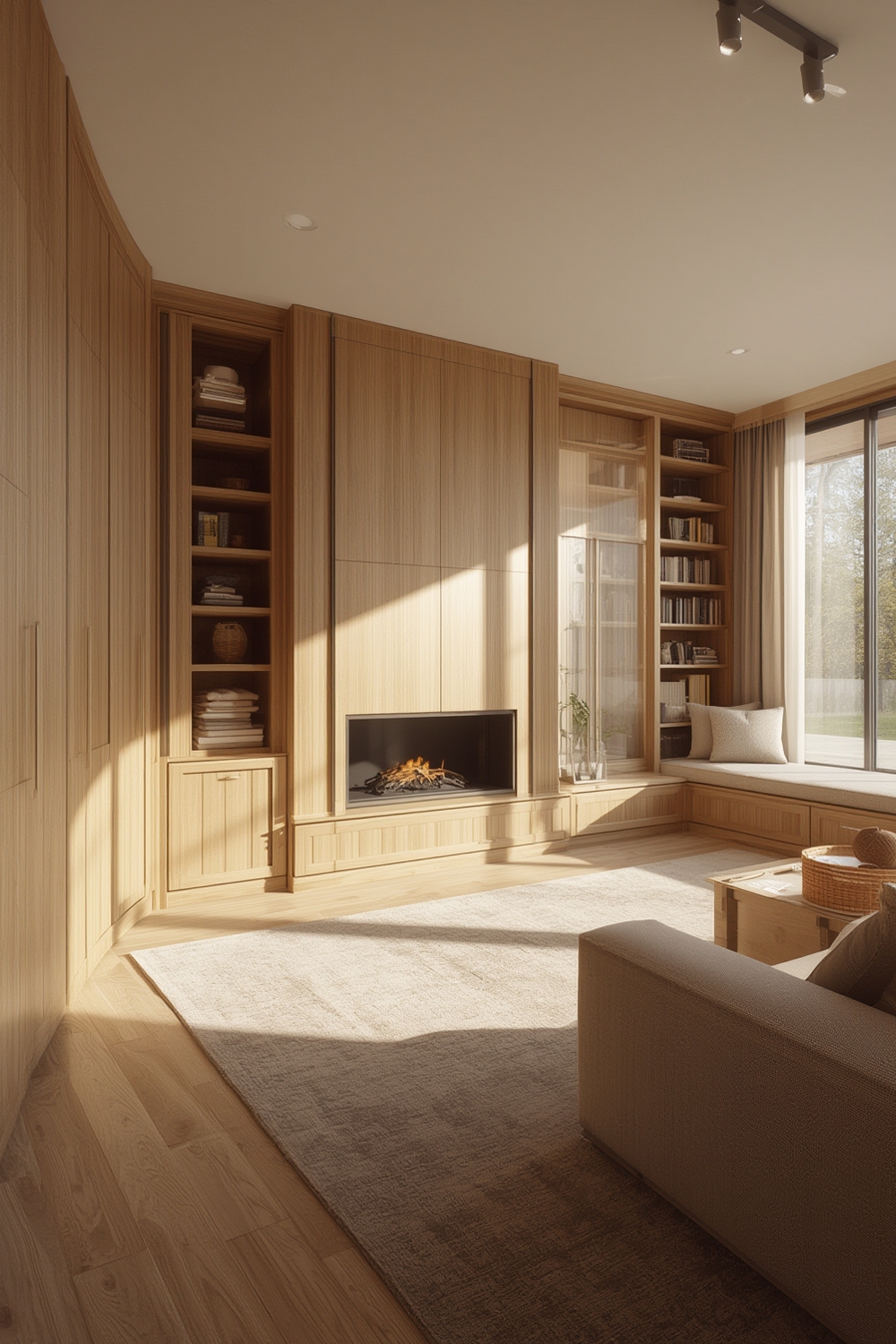
Homeowners increasingly turn to these solutions because they:
- Make every inch of space count, especially in small homes or apartments.
- Add value and a sense of permanence, blending storage with architectural style.
- Allow for maximum customization to fit specific needs (no more wasted space above wardrobes or below windows).
In commercial settings, custom built-in cabinetry sharpens brand presentation and makes high-traffic areas more efficient. But before committing, you should consider installation complexity, costs, and the impact on future flexibility—especially if you rent.
For those weighing rental-friendly alternatives, explore portable storage solutions as a non-permanent option.
Step-by-Step Guide to Planning and Installing Built-In Storage
Installing built-in storage is rewarding, but the process is more complex than buying ready-made racks. Follow these actionable steps to sidestep common setbacks and get results tailored to your space:
- Assess Your Needs and Space
Begin by listing what you want to store and measuring the available area. Identify awkward nooks, alcoves, or underutilized wall space. Remember to check for wall obstructions (pipes, vents, electrical outlets) that could get in the way. - Choose the Right Location
Focus on places where built-ins offer the most payoff, such as under stairs, beside beds, or along entryways. For bedrooms, integrating storage beneath window seats or selecting mini sofas with storage can combine functions and save significant floor space. - Design with Flexibility in Mind
Sketch your ideas or use a 3D online planner. Having built-in solutions doesn’t mean rigid design—modular components and adjustable shelving help future-proof your layout. Review trends such as modular sofas that integrate with surrounding storage for adaptive spaces. - Budget Realistically
Bespoke carpentry isn’t cheap. Prices vary by location, materials, and complexity but expect to pay from $1,500 to over $10,000 for custom solutions. Factor in additional costs for permits or changes to wiring and HVAC. If cost is a constraint, pairing built-ins with dual purpose storage furniture gives maximum value for money. - Hire the Right Professionals
Unless you’re an experienced DIYer, a skilled carpenter and possibly a designer can prevent costly mistakes. Ask about past work, check reviews, and ensure they’re familiar with local building codes—especially for wall-mounted or load-bearing units.
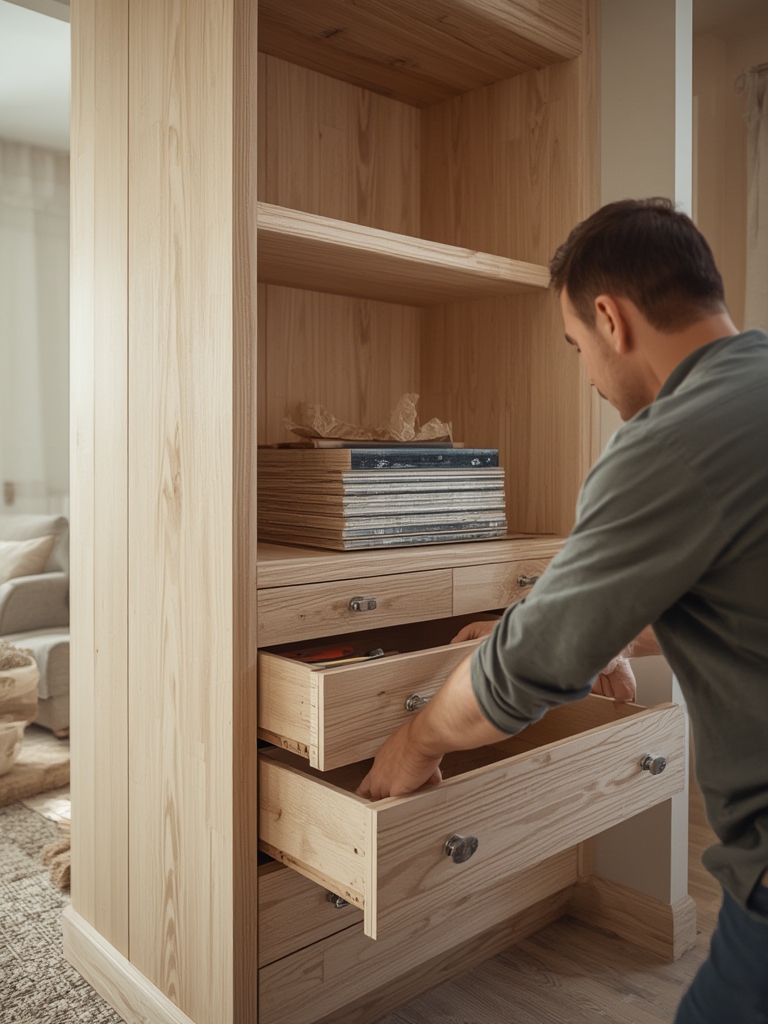
- Get Permits If Necessary
In some areas, any wall alterations or added electrical components require permits or landlord permission. Consult with your municipality or building manager before construction to avoid fines or removal orders. - Material & Sustainability Choices
Choose materials that match your aesthetic and environmental goals. Many users are moving away from plastics in favor of eco-friendly storage materials such as bamboo, recycled timber, glass, and woven fabrics. - Install and Finish With Care
If you DIY, double-check that all wall mounted elements hit studs or blocking, and use proper anchors. Finish with touch-up paint and edge caulking for a seamless look.
Need something less permanent but equally space-savvy? A wall-mounted folding table can combine workspace and storage without major construction.
Advanced Analysis and Common Pitfalls
While custom built-in storage sounds perfect, it comes with a different set of challenges compared to ready-made or freestanding furniture solutions. Here’s what to watch out for when considering permanent storage installations:
| Built-In Storage Solutions | Freestanding Furniture |
|---|---|
| Custom fit for every corner Creates seamless look Permanent, adds value |
Moveable Less expensive No installation required |
| Often requires permits Higher upfront cost Not suitable for renters |
No permit needed Lower upfront cost Easily updated or replaced |
| Longer lead times Challenging to repair/maintain Reduces room flexibility |
Easy to clean or swap out Flexible for changing needs Ideal for temporary spaces |
| Higher durability with proper installation May improve resale value |
Usually less durable Rarely increases property value |
- Installation surprises: Unmarked wires, pipes, or uneven walls can derail timelines and budgets.
- Maintenance headaches: Built-ins gathering dust in hard-to-reach areas or suffering minor nicks and swelling can be tricky to touch up, especially with artisan finishes.
- Lack of mobility: Once installed, moving or changing built-in elements is difficult and usually expensive. This is a dealbreaker for renters or those likely to remodel.
- Building codes and permits: Wall-mounted shelving and cabinetry require correct anchors and sometimes approval, especially in high-rise apartments or historic buildings.
- Potential over-investment: Going ultra-custom may not translate to resale value in every market; highly personalized finishes can scare off future buyers.
Conclusion
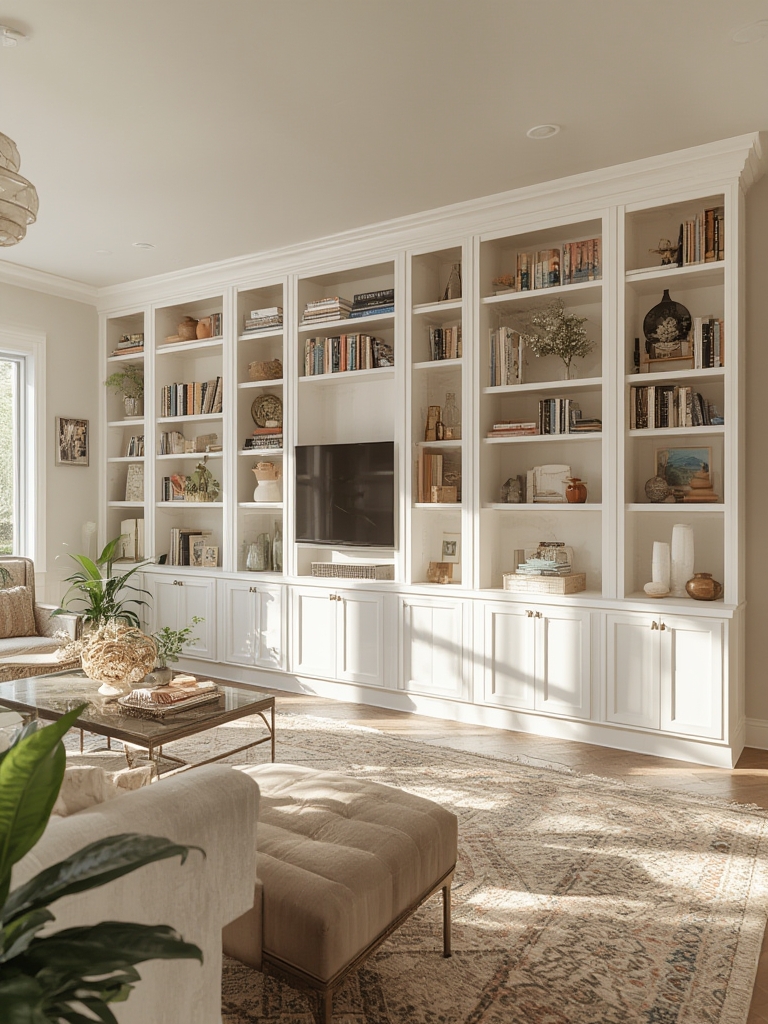
Well-designed built-in storage solutions let you reclaim forgotten nooks and maximize small or awkward rooms with permanent style. The process, however, requires clear planning, budgeting, and respect for practical issues like installation, building codes, and future needs. If you crave efficiency, customization, and a decluttered look—and don’t mind making a long-term commitment—built-ins are an investment that pays off. Ready to transform your home or workspace? Explore more about space optimization and consider your next step with built-in storage solutions tailored to your needs.
Frequently Asked Questions
Do built-in storage solutions increase home value?
Quality built-in storage can improve home value and market appeal, especially in space-constrained environments. However, overly personalized or unconventional designs may not benefit all buyers, so balance built-in investments with universal appeal.
Can renters install built-in storage?
Most permanent built-in storage is not renter-friendly since it alters the property. Renters should consider non-permanent, portable storage options to avoid risking security deposits or violating lease agreements.
What is the typical cost for custom built-in shelving?
Costs range widely, but you can expect to pay from $1,500 for basic designs up to $10,000 or more for intricate, artisan-built cabinetry with premium finishes. The final price depends on size, materials, location, and complexity.
Are there building code requirements for wall-mounted built-ins?
Yes. Many locales require safe mounting into wall studs and may request permits, particularly in multifamily units or historic properties. Always consult a licensed contractor or your local code office before installation.
What materials offer the best durability for built-in storage?
Solid hardwood and plywood offer superior longevity and withstand daily use better than MDF or particleboard. Sustainable options like bamboo or recycled timber add strength and eco-friendly appeal—as seen in popular eco-friendly storage material trends.
[…] tallest for lamps or decor, the lowest as a footrest or tray holder. For true minimalism, pair with integrated storage solutions to keep surfaces […]
[…] wall area.If you need more functional storage underneath your art display, consider integrating built-in storage solutions to keep the space uncluttered but highly […]
[…] productivity. Choose with intention, map your layout (not just your square footage), and use other built-in storage options and adaptable furniture to truly maximize your home’s potential. Ready to transform your tiny […]
[…] looking for innovative organizing tools, and slim hangers—alongside space-saving furniture and wall storage systems—are leading the […]
[…] a built-in look but still be able to move? See our built-in storage solutions guide for seamless modular […]