

Curved furniture small spaces is quickly becoming the go-to interior trend for maximizing flow, style, and comfort in tight city apartments, studios, and compact homes.
Key Takeaways
- Curved furniture instantly softens small rooms, making them feel larger and more open without sacrificing functionality.
- Common pitfalls include oversized pieces overwhelming the space and unclear return on investment; smart selection and placement are essential.
- While design theory praises curved forms, there’s a lack of hard scientific data on their efficiency—so careful measurement matters.
Table of Contents
What Makes Curved Furniture Smart for Small Spaces?
Curved furniture has moved from showrooms into small homes for good reason. Flowing lines, gentle arcs, and rounded forms break up the “boxy” feel of urban apartments and micro-homes. Unlike traditional angular sofas, tables, or storage units, curved pieces can make a tight living area feel more welcoming and visually spacious. Their lack of sharp corners helps rooms appear airier, encourages movement, and reduces awkward traffic jams in tight quarters.
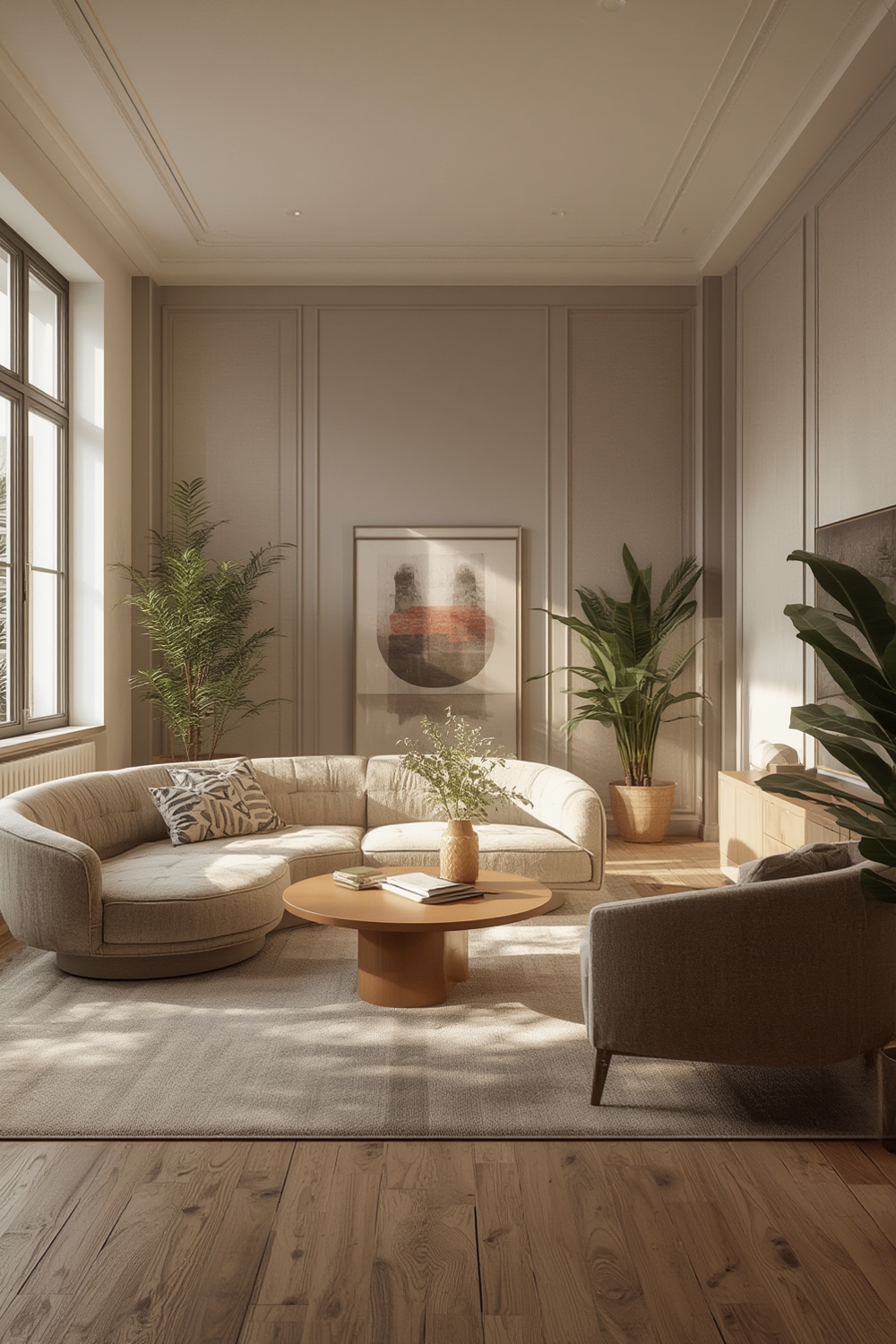
Demand for curved furniture is growing in lockstep with the rise of small space living. Industry data shows upward trends in curved sofas and loveseats, especially as more people move into urban co-living setups or downsize by choice. Small space furniture overall has surged in demand, while a curved loveseat search index jumped in early 2025. These trends are also driven by a desire for wellness—curves are seen psychologically as inviting and calming, echoing forms in nature and the human body. Some solutions, like a mini sofa for bedroom or a curved loveseat in your living room, create a cozy area and boost both aesthetics and practicality.
Curved pieces are especially valuable in studios or open-plan spaces, where a rounded sectional or a circular coffee table can help define distinct “zones” without adding visual clutter or blocking walkways.
Step-by-Step Guide: Choosing & Arranging Curved Furniture in Small Spaces
- Measure Your Room Carefully
Before you shop, measure both your floor area and the typical walking paths. This prevents the most common mistake: buying a piece that’s simply too big. - Choose Petite, Sculptural Pieces
Skip massive sectionals. Opt for a compact curved loveseat, a small crescent sofa, or a rounded coffee table with slim legs. Modular curved seating can be rearranged for guests or solo relaxation—see this guide on modular sofa small space trends. - Position Away from Corners
Curved furniture works best when you float it a few inches from walls or corners. This opens up sight lines, softening the overall feel. - Pair with Vertical or Built-In Storage
Keep clutter at bay by mixing in storage-savvy pieces. Opt for multifunctional storage furniture or clever built-in storage solutions to maximize every inch. - Keep Traffic Flow in Mind
Leave at least 24-30 inches of clear path around major pieces. This ensures you never have to squeeze or trip over a sofa’s curve on your way across the room.

- Balance with Straight Edges
Use one or two curved elements per room and balance the look with angular shelving or a rectilinear storage ottoman to keep your design grounded. - Choose Safe, Durable Materials
Rounded forms are safer for kids (fewer bumps and bruises), but look for tough fabrics, tightly woven seams, and solid legs—especially in high-traffic homes and rentals. For sustainable choices, check out eco-friendly storage materials to avoid cheap plastics that ding easily. - Use Curves as a Space Divider
Try a gently curved sofa or console table as a visual divide in your open-plan room, keeping living and dining zones flexible but distinct. - Look for Portability
Renters should prioritize freestanding, non-permanent curved pieces to avoid landlord headaches and make future moves easy.
Advanced Analysis & Common Pitfalls
While curved furniture small spaces can create a softer, more inviting home, there are some potential drawbacks to consider:
- Scale Problems: Oversized curved pieces easily swallow up square footage and diminish usable space. Always check dimensions against your own room, not just showroom settings.
- Ambiguous ROI: With no public cost comparison data, it’s easy to overspend on a trendy curved item that may not last longer than a classic piece.
- Lack of Quantitative Proof: Design experts tout openness and movement, but there’s little peer-reviewed research backing up these spatial or psychological claims. Measurement, not theory, is your best friend.
- Storage Shortfalls: Many curved coffee tables and benches lack built-in storage. This can be a liability in small homes unless you mix in clever organizers.
- Limited Modularity: Some curved units are less flexible than modular rectangular options—meaning you can’t always break up or expand seating as your needs change.
- Cleaning and Maintenance: Curved shapes can attract dust in crevices and require more focused cleaning. Choose washable fabrics and avoid plush seams if possible.
- Access Challenges: In some tight spaces, odd angles may make it harder to get curved furniture through doors or around corners during move-in.
| Feature | Curved Furniture | Rectangular Furniture |
|---|---|---|
| Visual Flow | Softer, promotes openness | Can feel rigid, boxy |
| Space Efficiency | Good when scaled small, but prone to wasted corners if oversized | Efficient against walls, fills all corners |
| Traffic Safety | No sharp edges; safer for kids | Sharp corners can bruise or snag |
| Storage Options | Few built-in solutions | Many options: lift-top, drawers, etc. |
| Installation | Can be harder to deliver or move | Usually easier through standard doors |
| Cost Transparency | Limited published price data | Easy to find cost comparisons |
Curved tables and seating can also help you avoid traffic bottlenecks around sharp corners—a real benefit in a home with kids or frequent guests.
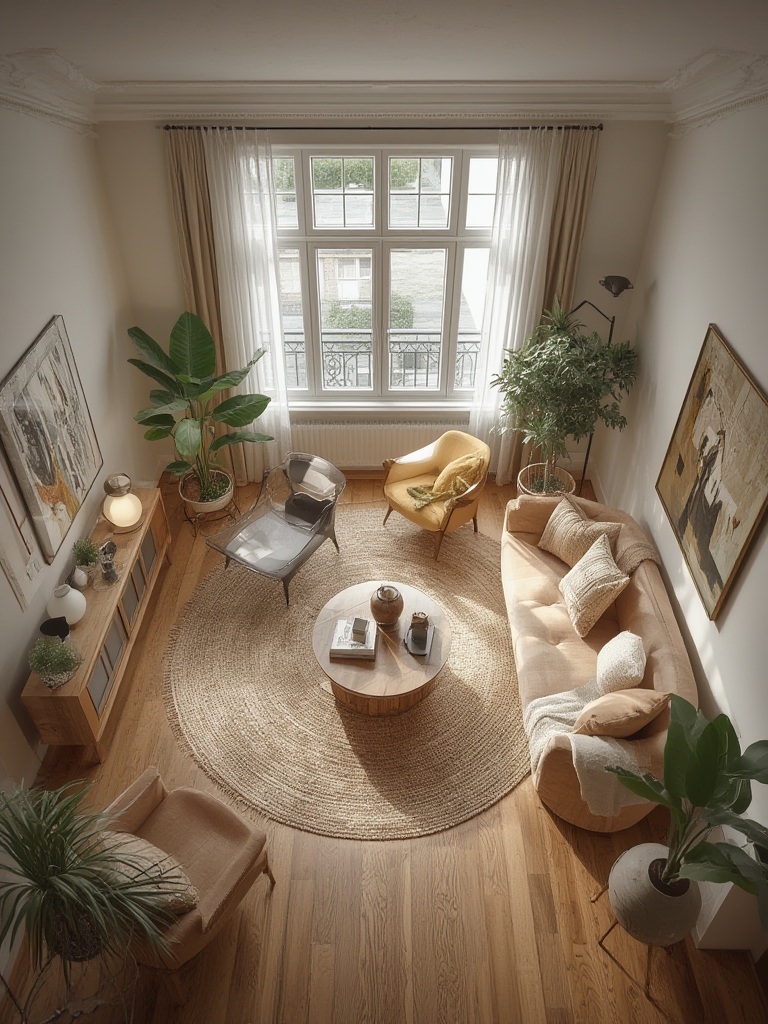
But remember, while rounded pieces spark movement and conversation, they’re not magic: a too-large curve can eat precious floor space. For some households, a classic sofa paired with strategic wall storage may be more practical.
Conclusion
If you want to transform a tight living room or micro-apartment, curved furniture small spaces offers a powerful alternative to boxy, old-school pieces. By choosing scaled-down curved items, balancing storage, and paying close attention to flow, you can create a home that feels larger, safer, and more inviting. Ready to try a curved bench or loveseat in your own home? Measure carefully, think through your storage strategy, and start with one simple curve to see (and feel) the difference.
Act now: Browse local showrooms for petite curved pieces, or explore modular and multifunctional options online. For even more strategies, check out guides on multifunctional furniture or fold-away tables.
FAQ
Is curved furniture really better for small spaces than traditional rectangular pieces?
Curved furniture can make a room appear larger and encourage flow, but only if it’s chosen in the right scale. Oversized curved items may waste space, while petite, rounded options can maximize openness. Always measure your room and leave enough clear paths for movement.
What is the biggest mistake people make with curved furniture in small rooms?
The most common error is selecting pieces that are too big. Oversized curves can eat up valuable floor area and actually make a room feel tighter, not larger. Prioritize compact, well-proportioned items—and don’t overload the space with curves everywhere.
Are there affordable options for curved furniture, or is it always a premium product?
While luxury curved sofas can be expensive, many retailers now offer budget-friendly options. Look for modular seating or smaller accent pieces like curved benches or ottomans if you’re sticking to a tight budget. Just note there is little published data on ROI or durability, so check for sturdy construction.
Does curved furniture provide built-in storage solutions?
Most curved pieces do not include integrated storage. If storage is essential for your small space, consider pairing curved sofas and tables with multifunctional pieces or wall storage units for maximum efficiency.
Is curved furniture safer for homes with children?
Yes, curved furniture eliminates sharp corners, reducing bumps and scrapes for kids and adults alike. Look for tough, easy-clean fabrics if your home is high-traffic or has pets.
[…] or couch arm height). Circular, square, and rounded-edge designs—like those highlighted in our curved furniture for small spaces guide—help the set blend into the room and improve flow in tight layouts. Always check that all tables […]
[…] your home. For those prioritizing visual openness and circulation, current design trends like curved furniture for small spaces or nesting tables can alleviate the boxy look traditionally associated with office […]
[…] for neutral tones, rounded curved edges, or tables that blend into your palette. Hide folding models behind screens or curtains if […]
[…] open sightlines with low seating or rounded furniture for a bigger feel. Explore curved furniture for small […]