

Custom closet systems are transforming the way people maximize limited space in apartments, condos, and modern homes. If you’ve ever struggled with messy wardrobes, cramped rental closets, or the frustration of wasted space, you’ll see why custom solutions are surging in popularity for 2025. Whether you want efficient storage for a small studio or crave a personalized walk-in experience, this guide breaks down what works, what doesn’t, and how to get the best results—without risking your security deposit or budget.
Key Takeaways
- Custom closet systems enable renters and homeowners to optimize storage, even in tiny bedrooms and apartments.
- Modular, renter-friendly designs and smart features are reshaping the custom closet market in 2025.
- Sustainable materials and clever alternatives are essential for anyone seeking style and function without permanent installations.
Table of Contents
What Are Custom Closet Systems and Why Choose Them?
Custom closet systems are modular storage setups tailored to your exact needs, wardrobe, and available space. While traditional wardrobes and shelving offer standard solutions, custom systems allow users to combine hanging rods, drawers, shoe racks, shelves, and even smart integrations in any configuration.
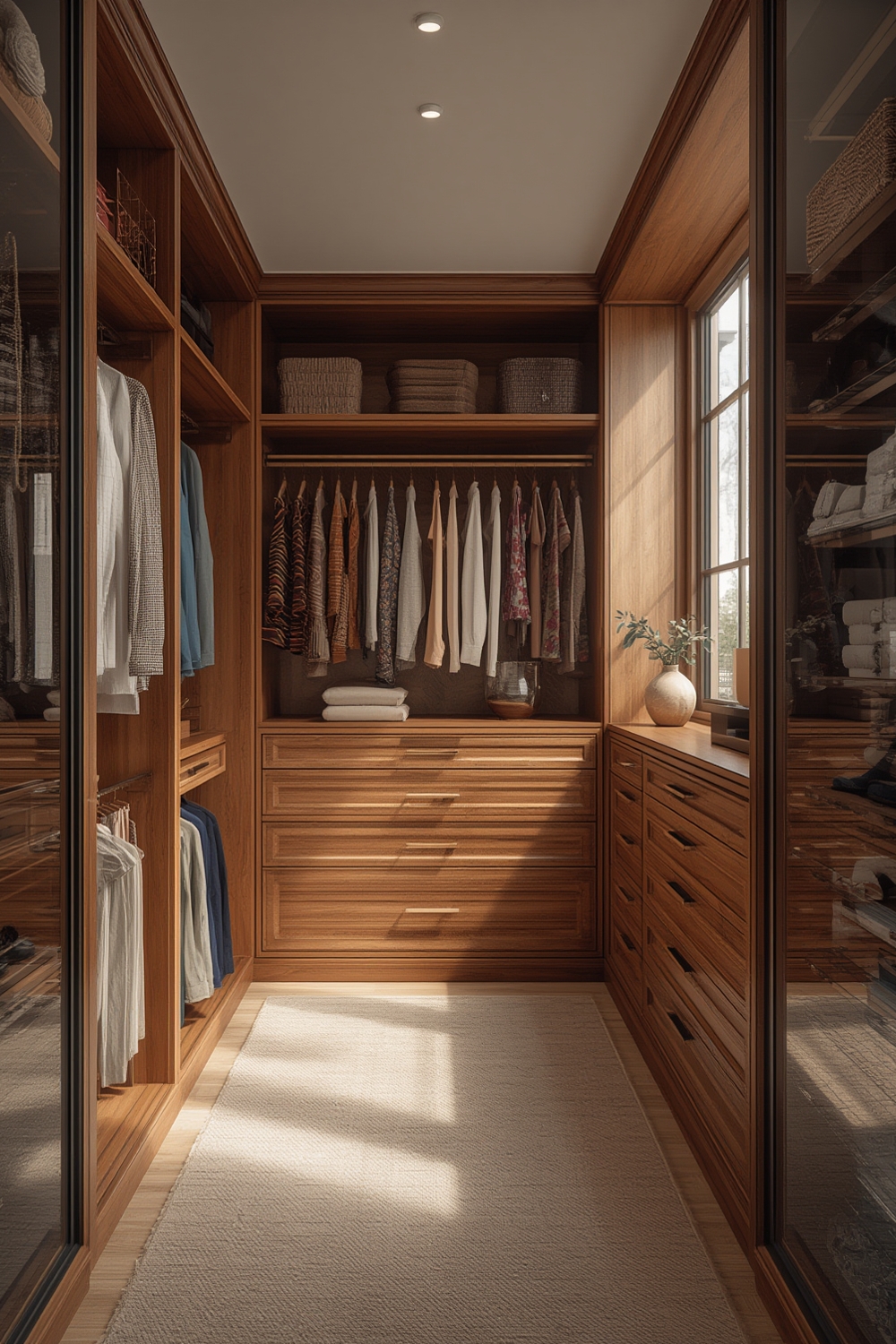
Over 64% of urban households now prefer these customized solutions for one simple reason—they instantly turn wasted nooks and crannies into usable, organized storage. In cities where every inch counts and renting is commonplace, this adaptability is crucial.
Market data shows the global custom closet industry reached $31.4 billion in 2024, projected to rise to $54.8 billion by 2032 according to Congruence Market Insights. North America holds the largest share, reflecting high demand for personalization in small urban spaces, while Asia-Pacific is the fastest-growing market due to rapid urbanization.
Custom closet systems also appeal to renters since modular, non-permanent designs can be installed and removed easily, making closet upgrades possible even when you can’t change the structure. For more renter-friendly storage inspiration, check out our guide to freestanding furniture for renters.
Key drivers for adoption in 2025:
- Growing need for organized living in apartments and small homes
- Desire for features such as flexible shelving and IoT smart integrations
- Rise in eco-friendly options for sustainability-minded buyers
How to Plan the Perfect Custom Closet System: Step-by-Step Guide
- Assess Your Actual Storage Needs
Carefully audit shoes, clothes, accessories, and any unique storage requirements. Make note of what gets lost or what’s hard to access. This will direct your design. Modular systems and dual purpose storage furniture can double efficiency in compact bedrooms. - Measure Your Space
Use a tape measure to get the length, width, and ceiling height. Pay attention to doors and corners. For renters, note if drilling is allowed or if you need freestanding or no-drill solutions. Modular shelving like modular shelving for studios can adapt easily to different spaces. - Choose Your Closet System Type
Select between wall-mounted, freestanding, or open-rod designs. Renter-friendly systems usually avoid permanent mounting. Look for tool-free assembly or tension-rod designs for true portability. - Design the Layout
Sketch your closet or use an online designer. Prioritize categories: double-hang rods for shirts, drawers for underwear, vertical pant hangers for trousers, and adjustable shelves for shoes or bins. Closed systems hide clutter and are now preferred in 55% of households. - Pick Materials and Finishes
Sustainable materials like bamboo and recycled wood are trending. Avoid heavy MDF or particle board if you’ll need to move the system later. Eco-friendly storage bins and containers reinforce a cleaner, more modern aesthetic. - Install (or Assemble) the System
DIY kits usually include instructions, but check if wall anchoring is required. Never drill into rental walls unless given permission. If you need maximized flexibility, opt for a built-in storage solution that’s designed to be reconfigured or freestanding. - Optimize with Accessories
Add space-saving slim hangers, stackable bins, lighting, and drawer organizers. Smart tech like motion sensor lights or app-controlled racks can make even a small closet feel high-end. See our review of space-saving slim hangers to save rod space.
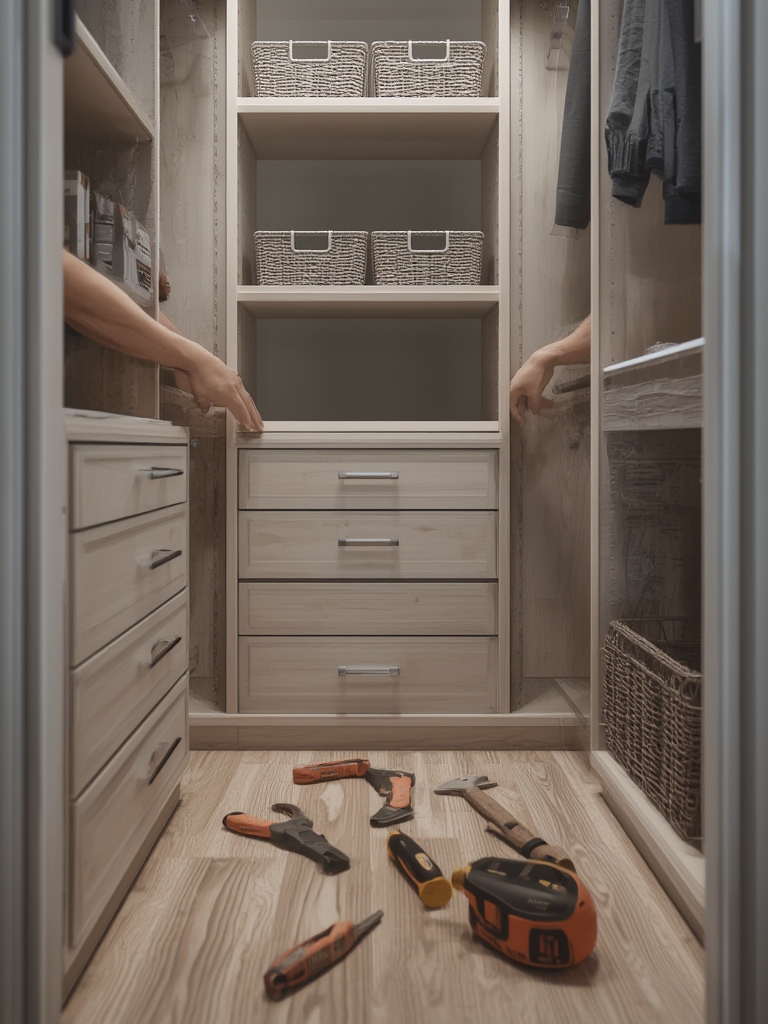
For extreme optimization, use vertical pant hangers and nestable drawer dividers—especially in apartments where floor space is scarce (see our vertical pant hanger guide).
Advanced Analysis & Common Pitfalls: What You Need to Know
Even the best custom closet systems can become a source of frustration if you don’t anticipate the downsides. Few top-ranking guides address these pitfalls, but they’re real:
- Hidden installation requirements: Many “easy-to-install” kits still require drilling, wall anchors, or strong support. This is a dealbreaker in rentals without landlord approval.
- Weight limits: Some modular or tension-rod units can’t handle heavy winter coats or fully loaded drawers. Overloading can cause collapse or rapid wear.
- Return/move-out hassles: Permanent systems, glue, or wall holes may jeopardize your security deposit. Freestanding or tool-free systems are best for renters.
- Dust build-up in open systems: While trendy, open-rod or shelf concepts often allow dust to settle faster, requiring more frequent cleaning.
- Upfront cost: Custom-built systems offer aesthetics and longevity but are far pricier than DIY kits or mix-and-match shelving. Unfortunately, detailed average cost breakdowns for installed vs. DIY systems are lacking, as confirmed by Business Research Insights.
| Custom Closet Type | Pros | Cons | Best For |
|---|---|---|---|
| Permanent Built-in | Aesthetic; maximizes value; sturdy | Expensive; installation needed; risky for rentals | Homeowners with long-term plans |
| Modular Free-standing | Portable; no wall damage; affordable | May feel temporary; lower weight limit | Renters; short-term residents |
| Open System (Rod & Shelf) | Easy access; visually expansive | More dust; not for all clothing | Small rooms; minimalist style |
| Smart/IoT-enabled | App control; mood lighting; wow factor | Expensive; more tech to maintain | Tech-savvy, modern spaces |
Many renters mistakenly invest in systems that later cause lease violations due to wall damage. Identify the right type for your situation by reading our deep dive on modular shelving for small apartments. And if you want maximum flexibility, bespoke storage solutions offer design inspiration without permanent changes.
Technological innovation ranks high this year, with smart lighting, app-controlled racks, and adjustable interiors emerging as favorite features, especially in metropolitan apartments (Market Trends Analysis).
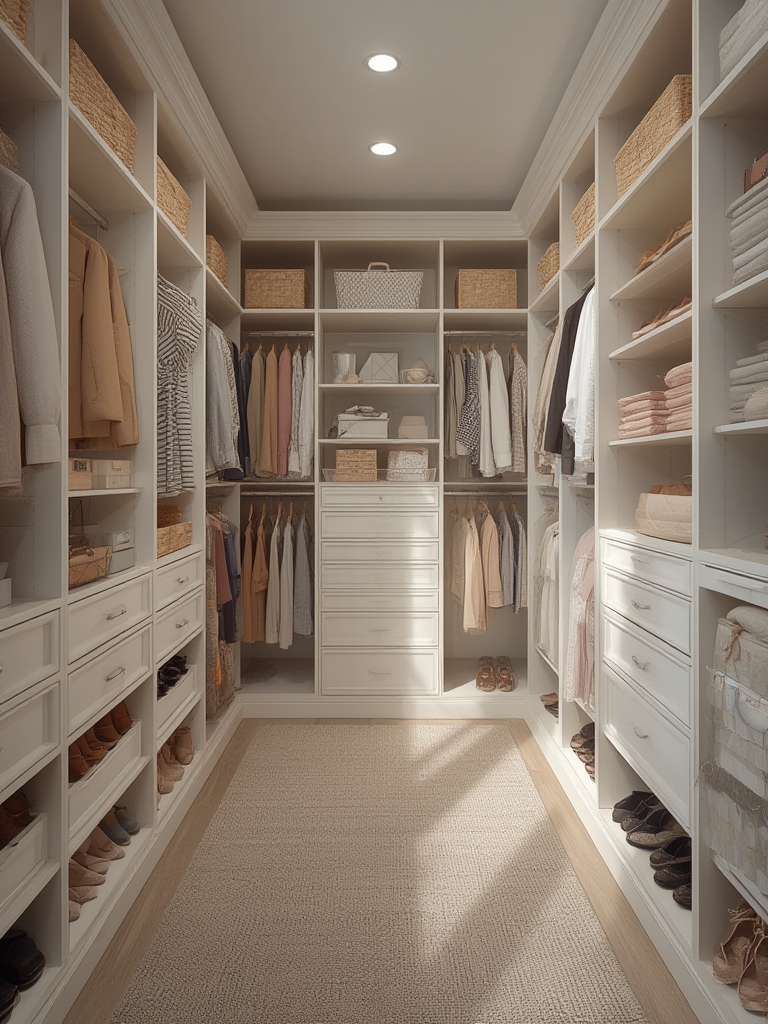
Conclusion: Is a Custom Closet System Right For You?
Custom closet systems are shaping up to be the must-have organizing upgrade in 2024, especially for city dwellers, renters, and anyone craving a less cluttered life. The right system can double your storage, support minimalism, and even move with you when you change homes—all while enhancing both function and style.
If you’re ready to ditch chaos for custom order, explore renter-friendly modular options or dive in with a smart-enabled walk-in. Start building your own custom closet system today and unlock the space you didn’t know you had.
Ready to transform your storage? Review our guides to eco-friendly storage materials and multifunctional storage furniture next for even more inspiration.
Frequently Asked Questions
How do I install a custom closet system in a rental without damaging walls?
Choose freestanding or tension-rod closet systems. These use floor-to-ceiling pressure or sit on the floor without needing wall anchors. Look for no-drill modular shelving. For more ideas, see our freestanding furniture for renters guide.
What’s the difference in price between DIY and fully installed custom closet systems?
Most market research does not provide exact cost breakdowns for installed versus DIY closet systems. In general, DIY kits are significantly less expensive but require your labor, while installed designs cost more up front. Pricing also varies based on materials and size.
What smart features are popular in custom closet systems for 2024?
App-controlled lighting, adjustable shelving, motion sensors, and even temperature regulation are emerging trends. These features help personalize and maximize space, especially in tech-driven homes (source).
Are there sustainable options for custom closet systems?
Yes. Bamboo, recycled wood, and other eco-friendly materials are rising in demand. Choose products labeled as sustainable, and read our eco-friendly storage materials guide for top-rated ideas.
Can I take my custom closet system with me when I move?
Most modular and freestanding systems are designed to be portable. Avoid heavy built-ins or systems attached with screws and glue. For flexibility, opt for renter-friendly, tool-free designs that disassemble easily.