

Double-duty furniture for studio apartments is no longer just an interior design buzzword. It’s an essential survival strategy for city dwellers facing expensive, compact rental spaces. In a world where every square foot matters, knowing how to select and arrange double-duty pieces can transform any studio from cramped to cleverly efficient—and these choices are backed by explosive market demand and real-world product innovation.
Key Takeaways
- Double-duty furniture addresses the urgent need for flexibility, storage, and style in studio apartments—especially as urban spaces shrink and prices soar.
- Common pitfalls include durability concerns, tricky assembly, and the importance of prioritizing warranty support and easy returns.
- Smart selection and layout of multipurpose pieces dramatically amplify both storage and living comfort—when you know the tricks professionals use.
Table of Contents
The Core Concept of Double-duty Furniture for Studio Apartments
Double-duty furniture for studio apartments means furniture that fulfills at least two core needs—like sleeping and storage, seating and working, or dining and hiding clutter—within one compact, flexible piece. This innovation is driven by rapid urbanization, climbing real estate costs, and the evolving tastes of millennials and Gen Z who crave adaptable, stylish spaces that do more with less. According to industry reports, the global multifunctional furniture market is projected to exceed $15.9 billion in 2024, with living room and small-space solutions dominating sales (source).
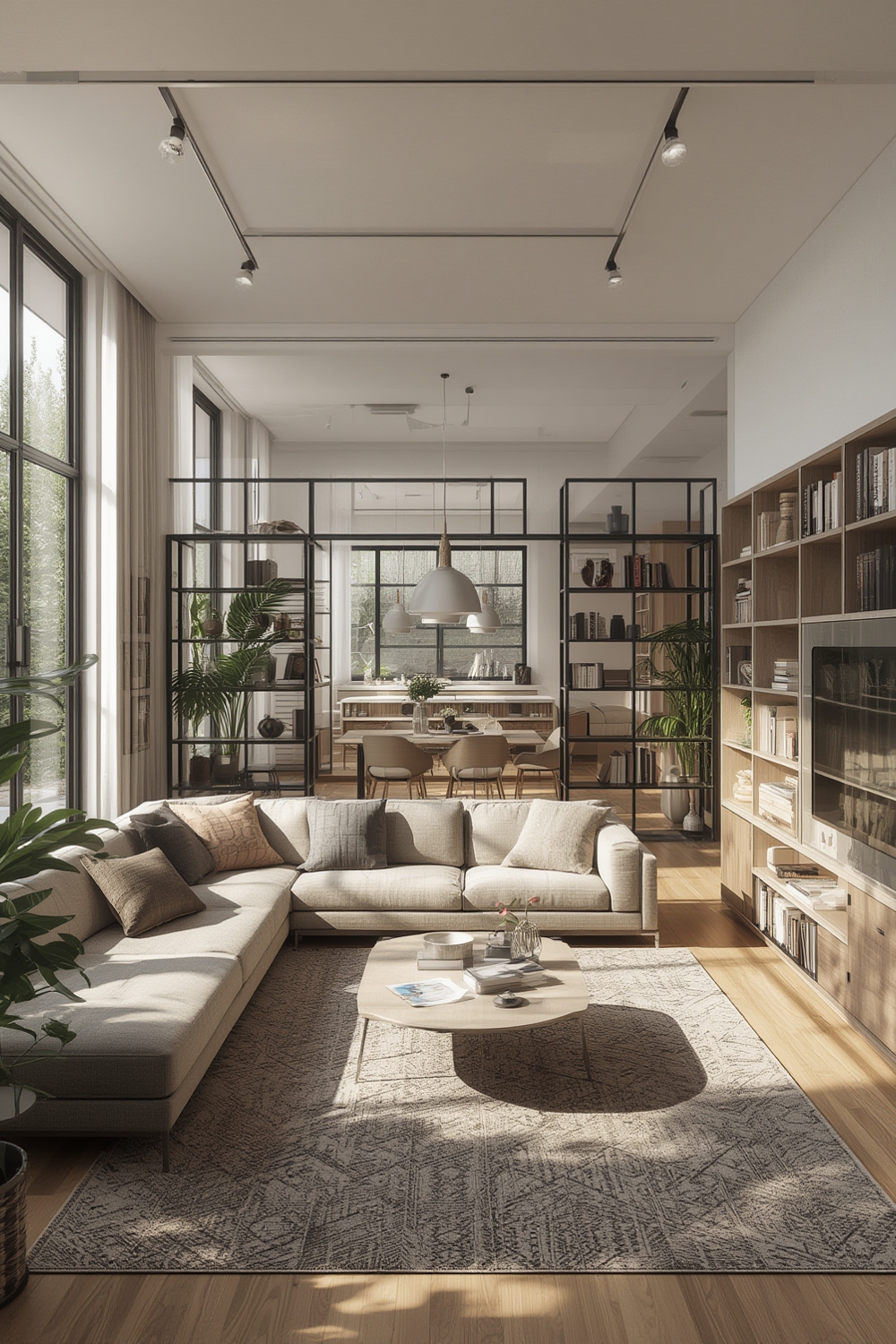
For renters or first-time buyers, space-saving furniture isn’t just about neatness or minimalism. It’s a direct response to market realities—shrinking living spaces in urban centers worldwide (research), growing demand for flexibility, and the rise of e-commerce furniture delivery.
Manufacturers are innovating rapidly, from wall-mounted drop-leaf tables to stackable bookshelves, modular couches, and storage benches. The best pieces empower you to adapt your studio’s layout based on your current needs, rather than being locked into a single use or configuration. If you want ideas combining storage and style, check out our in-depth guide to multifunctional storage furniture.
Step-by-Step Guide: Maximizing Your Studio with Double-duty Furniture
- Analyze Your True Needs and Prioritize Functions
- List your daily activities (sleep, work, relax, entertain, eat, store).
- Focus on pain points—Do you lack kitchen or desk space? Is clutter overwhelming?
- Decide which functions can share space or be combined.
- Measure Your Space—and Map Traffic Zones
- Take accurate room measurements, noting doors, windows, radiators, and odd corners.
- Leave 2 feet of walkway between major zones.
- Choose High-impact Double-duty Pieces
- sofa beds, Murphy beds with desks, or wardrobe/desk hybrids for sleep/work combos. See wardrobe with pull out desk ideas.
- lift-top coffee tables for hidden storage and dining.
- wall-mounted folding tables for compact working or eating.
- Nesting tables for rotational coffee/dining/side use.
- modular sofas with storage—get reconfigurable seating and hidden organization (modular sofa for small space).
- Optimize Vertical Storage and Visual Flow
- Use wall-mounted shelving, floor-to-ceiling units (built-in storage solutions), and stackable elements to reduce surface clutter.
- Maintain open sightlines with low seating or rounded furniture for a bigger feel. Explore curved furniture for small spaces.
- Add large art to create intentional, airy vibes. See tips for oversized wall art in small rooms.
- Test, Adjust, Repeat
- Don’t buy all at once. Set up your first double-duty item, live with it, and revise as needed.
- Modular and folding pieces allow ongoing tweaks as your needs evolve.
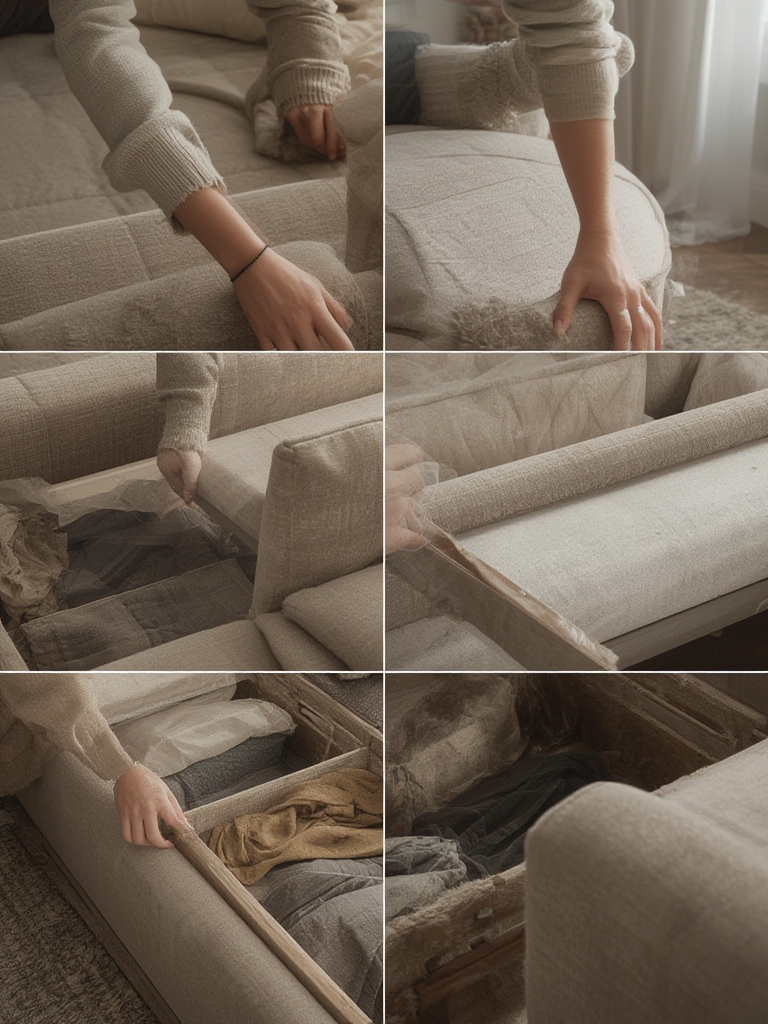
- For renters, favor freestanding furniture and temporary solutions to avoid landlord issues or losing your deposit.
- Leverage eco-friendly materials and circular buy-back programs when possible for a more sustainable, flexible future setup.
- If you entertain, stackable or foldable dining tables can expand for guests, then disappear after.
With this approach, your studio adapts alongside your lifestyle, not the other way around.
Advanced Analysis & Common Pitfalls
Even as sales of multifunctional furniture climb worldwide, real users encounter specific issues that can make or break their small space investment. Here are the most important factors—and realistic hazards—to consider before you buy:
- Durability Risks: A recurring pain point, especially with low-cost RTA (ready-to-assemble) options made from particle board or MDF. Heavily used convertible hinges or fold-out mechanisms can fail if the quality is subpar, leading to expensive returns.
- Assembly Frustration: Many double-duty items require complex assembly. Poorly written paper instructions, heavy components, or missing hardware often lead to abandoned projects. Best-in-class brands now offer AR assembly guides and tool-free connectors, but this is not universal.
- Higher Upfront Costs: Multifunction pieces are often pricier than traditional single-purpose designs. While value adds up over time, the initial sticker shock can deter buyers on a budget (reference).
- Returns and Warranty Gaps: If your double-duty purchase arrives damaged or doesn’t fit, return shipping fees and limited warranty support can mean a major hassle—always check brand policies before buying.
- Overpromised Utility: Some options sound great on paper but underperform—like sofa beds with thin mattresses, desks that wobble, or tiny storage benches that fill up instantly. Thoroughly check specs before purchase.
| Potential Benefit | Realistic Pitfall | How to Avoid |
|---|---|---|
| More space, fewer furniture pieces | Compromised comfort or quality (e.g. sleep, seating) | Test products in-store or look for brands with free trial/return policies |
| Quick adaptivity for entertaining or working | Tedious conversion steps, heavy moving parts | Choose tool-free, one-step transformations (e.g. magnetic connectors) |
| Hidden storage/decluttering | Gets overloaded; collapses shelving or broken hinges | Check weight limits; avoid maxing out storage; reinforce if needed |
| One-time investment | Pricey upfront; hard to resell or move later | Look for modular or “return for credit” options and check local resale groups |
Smart buyers research brand reputation for after-sales support. According to market analysis, leaders like IKEA, Clei, and Resource Furniture are at the forefront, with new lines like Burrow’s magnetic, tool-free bedroom sets flying off the shelves (source).
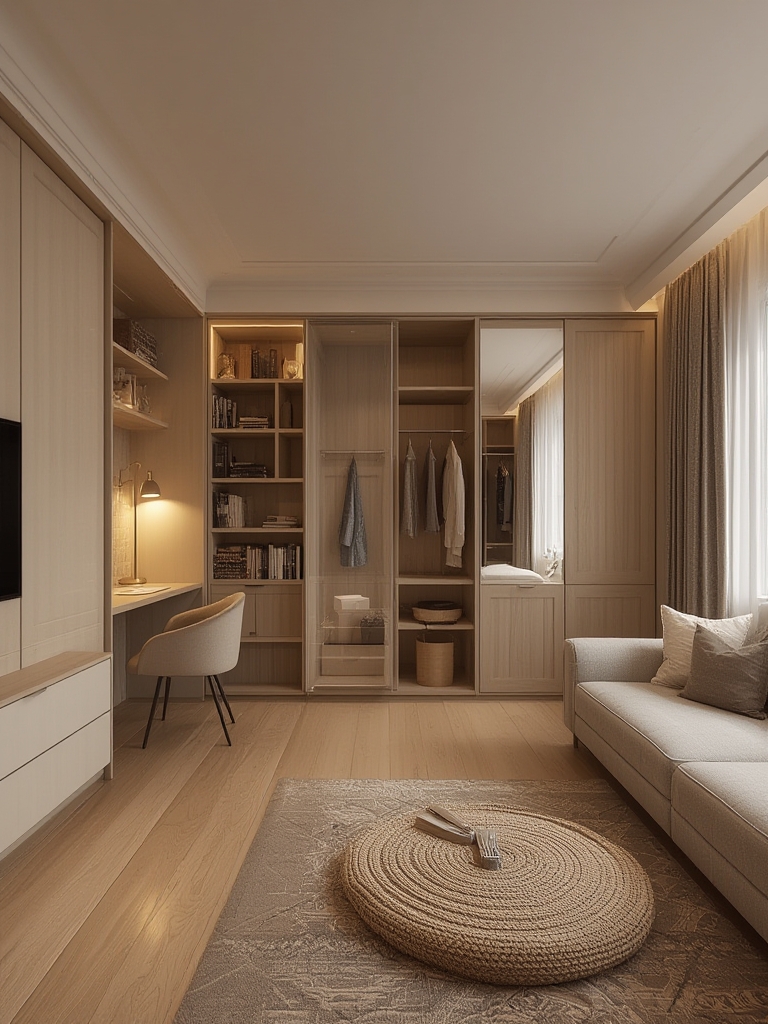
Conclusion
Smart use of double-duty furniture for studio apartments is a proven way to maximize every inch of living space without sacrificing comfort, character, or convenience. With the right strategy—prioritizing adaptable pieces, vetting quality and warranty, and embracing modularity—you can transform even the smallest studio into a flexible sanctuary that adapts as your needs change. Ready to make the leap? Start by measuring your space and making your first double-duty swap today.
FAQ
What is double-duty furniture and how does it differ from regular furniture?
Double-duty furniture refers to items that serve two or more distinct functions, such as a sofa bed or a coffee table with storage. Unlike regular furniture, which serves a single purpose, double-duty pieces are designed to save both space and money—ideal for small apartments where maximizing every inch is crucial.
Which brands offer the best quality double-duty furniture for small studios?
Some leading brands are IKEA, Clei, Resource Furniture, and Burrow. IKEA is popular for affordability and modularity; Burrow stands out for its tool-free, quick-assembly designs; Clei and Resource Furniture are known for innovative engineering in Murphy beds and wall systems.
Are there affordable yet durable double-duty pieces available?
Yes, but “cheap” often means trade-offs in durability. Look for mid-priced ranges with solid hardware and quality materials like plywood or engineered wood, and always check user reviews. IKEA and similar brands often hit the balance of price and quality for renters and first-home buyers.
How do I avoid common problems like tricky assembly and product returns?
Opt for brands with no-tool assembly, digital or AR-powered guides, and transparent return policies. Avoid unfamiliar brands with limited warranty or missing assembly videos. Measure carefully and read assembly instructions online before ordering.
What’s the most overlooked way to expand storage in a studio apartment?
Vertical space is often ignored. Built-in or freestanding floor-to-ceiling shelving, wall-mounted fold-down tables, and storage ottomans unlock major square footage for little cost. See more in our guide to built-in storage solutions.