

Eco-friendly storage materials are rapidly gaining attention as conscious consumers search for safe, attractive, and sustainable ways to organize their homes. However, switching from plastics to greener alternatives comes with both benefits and unexpected challenges. If you want realistic advice and a practical guide before making this shift, you’re in the right place.
Key Takeaways
- Eco-friendly storage materials, such as bamboo, glass, recycled plastic, and natural fibers, reduce waste and support sustainable living, but each has its own usability quirks.
- Transitioning successfully involves selecting the right containers for your needs, maintaining them properly, and being aware of usability issues like fragility or cleaning difficulties.
- Factoring in real user complaints and linking storage choices to portability or furniture function can help you sidestep common mistakes and maximize value.
What Are Eco-Friendly Storage Materials and Why Use Them?
Eco-friendly storage materials are containers, baskets, and organizers made from renewable, recycled, or biodegradable substances. Options include bamboo, glass, recycled plastic, natural woven baskets, and sustainably-sourced wood. These alternatives aim to reduce waste and pollution associated with traditional plastic products.
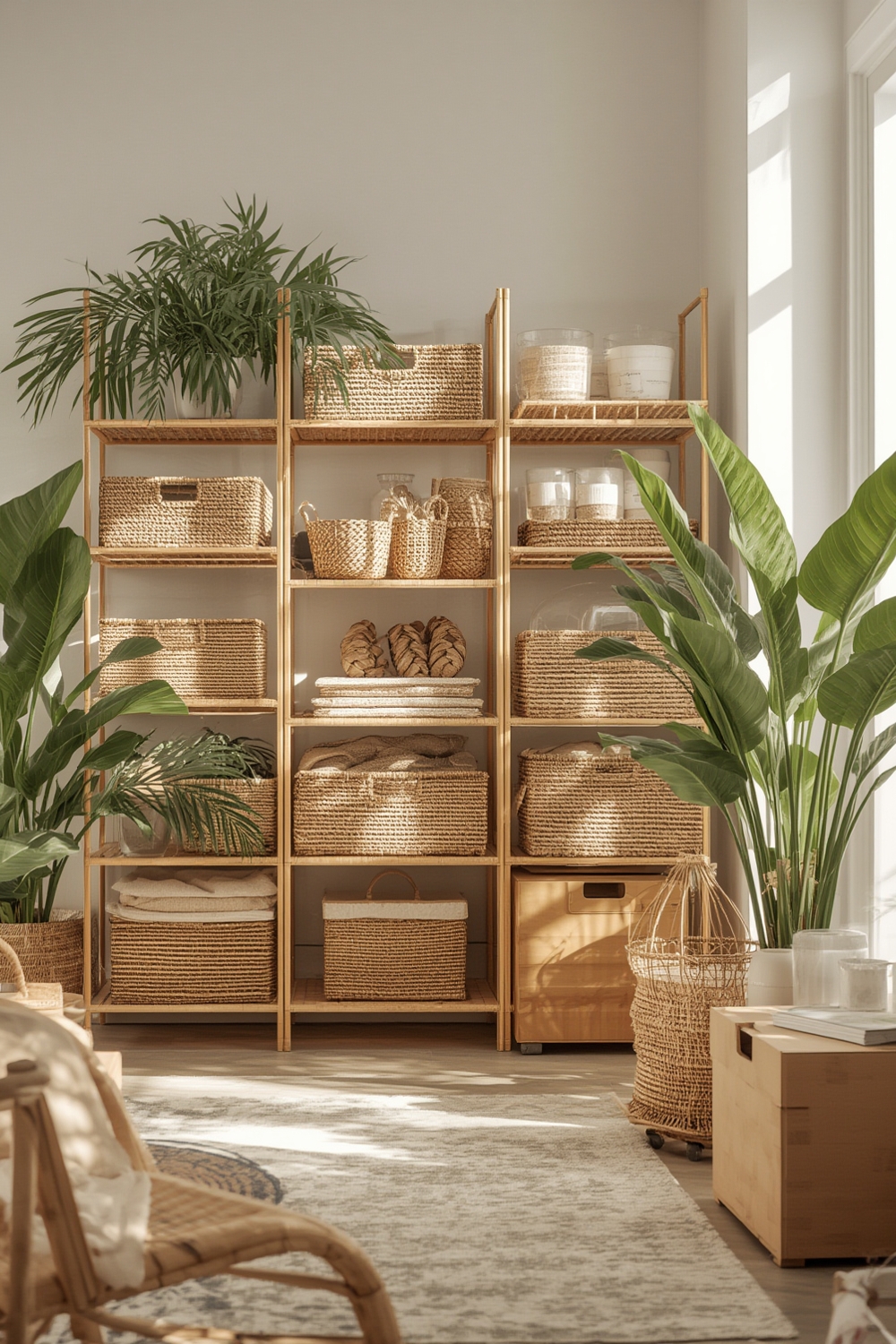
Consumers are drawn to eco-friendly storage for several reasons. First is health: avoiding harmful plasticizers and microplastics. Second is reducing their carbon footprint and landfill waste. Aesthetic appeal is another big factor—natural materials can make interiors feel calm, textured, and luxurious.
But switching isn’t only about environmental impact; it’s about making smarter, more durable choices tailored to your needs. This explains why trends like dual purpose storage furniture and portable storage solutions are exploding. For renters and city dwellers, non-plastic bins that double as side tables or shelving offer style and versatility without permanent installation.
Investing in eco-friendly storage isn’t just good for the planet; it can make small or rented spaces more functional and stylish, aligning storage needs with current design trends.
How to Switch to Eco-Friendly Storage: Actionable Steps
Moving from classic plastics to eco-friendly storage materials does not need to be overwhelming. Here’s how to make the transition smooth, affordable, and tailored to your space.
- Audit and Sort: Identify where you need storage most (closet, kitchen, office). List the container sizes and features you actually use.
- Match Material to Function: For dry pantry goods, glass jars or bamboo canisters work well. For damp environments (bathroom), look for sealed recycled plastic or natural-fiber units.
- Research Brands’ Durability: Don’t grab the first “eco” product you see. Read reviews—some glass containers are brittle, and bamboo lids may warp if not properly cared for. For example, several users have reported that thin glass can break too easily (see reviews).
- Balance Aesthetics and Maintenance: Bamboo and wood look great but may need oiling or hand-washing. Woven baskets add warmth but may gather dust.
- Replace Gradually: Don’t toss all plastic at once. Replace as needed or donate usable items to minimize waste.
- Future-Proof with Multifunctionality: Where possible, invest in pieces that serve more than one role, such as benches with hidden storage, or mini sofa bedroom furniture with built-in drawers.
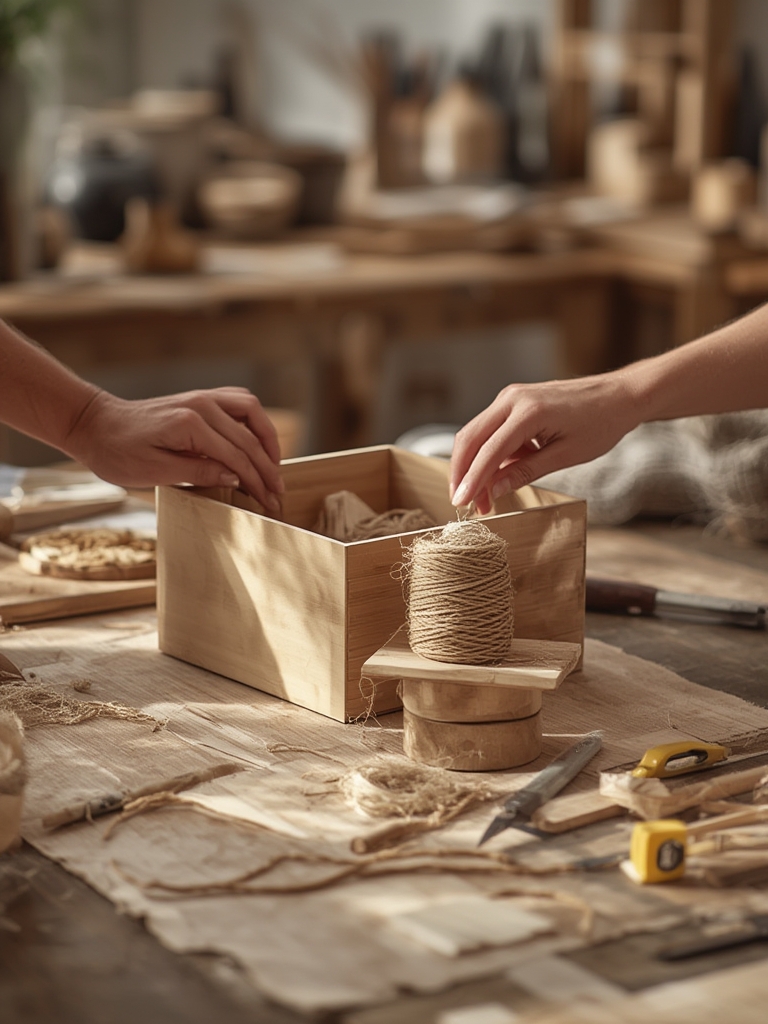
Maintenance tips: Hand-wash bamboo lids and keep them dry to prevent warping. For glass, avoid stacking thin-walled containers, as fragility is a recurring concern in user reports (source).
If you rent, consider non-permanent furniture that incorporates eco-friendly materials, so you don’t risk losing your security deposit or damaging walls.
Finally, use labels or see-through glass to avoid “out of sight, out of mind” syndrome—especially if you’re adopting baskets or opaque bins.
Advanced Analysis and Common Pitfalls
Adopting eco-friendly storage materials is not without frustration. Here’s what real buyers are saying, based on authentic reviews.
| Material | Pro | Con | User Complaints |
|---|---|---|---|
| Bamboo + Glass | Attractive, renewable, non-toxic | Fragile glass, bamboo lids need hand-washing, can warp | Thin glass breaks easily; bamboo lids must be dried well (Walmart Reviews, YouTube) |
| Recycled Plastic | Lightweight, moisture resistant | May retain odors; sometimes less sturdy than virgin plastics | Odor retention, stains over time |
| Natural Fiber Baskets | Visually pleasing, biodegradable | Can attract dust, difficult to clean thoroughly | Dust buildup, shedding fibers |
| Wood | Durable, classic look | Heavy, may need treating to avoid rot in humid areas | Can warp; prone to mold in bathrooms |
Anecdotal reviews (YouTube) reveal specific use-case issues: some eco-friendly containers have tight seals, making them difficult to open for kids or people with limited grip strength. Also, several bamboo and glass designs require hand washing—not ideal if easy maintenance is a priority for you.
Innovations and eco-certifications are emerging, but without third-party market reports or formal lifecycle assessments, it’s hard to compare the full sustainability impact of these materials. If you want to go deeper, consider searching databases like Grand View Research or academic environmental journals for the latest data.
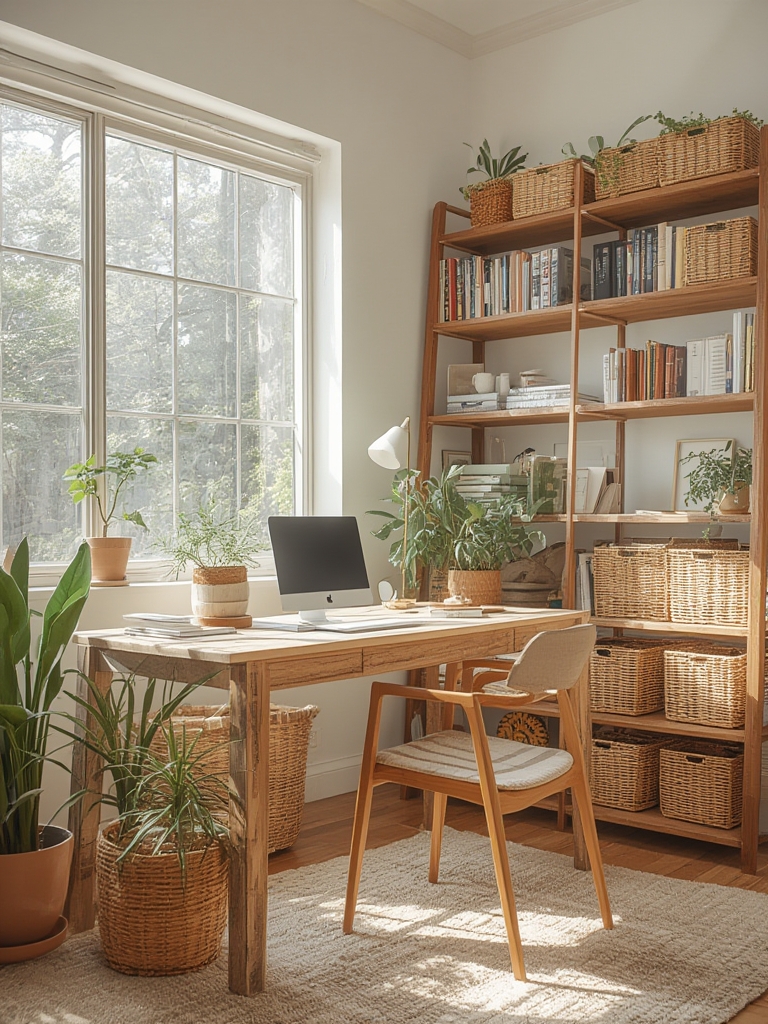
For now, the best approach is a pragmatic one: balance sustainability goals with day-to-day usability, and be honest about how much maintenance you’re willing to do. Integrate eco-friendly containers into your organizational system gradually, and learn from your experience as you go.
Conclusion
There’s no one-size-fits-all when it comes to adopting eco-friendly storage materials. Glass, bamboo, recycled plastics, and natural baskets each play a role—but understanding where they shine and where they fall short helps avoid buyer’s regret.
Make the change step by step, leveraging trends like multifunctional storage furniture and small sofa for bedroom solutions to optimize every square foot. If you’re ready for your next organizing project, start by choosing the eco-friendly storage materials that meet your real-world needs. Begin your sustainable storage upgrade today.
FAQ
Are eco-friendly storage materials as durable as plastic?
It depends. Glass and bamboo containers can last years with care, but some glass is fragile and can break if dropped. Natural fibers and wood may need maintenance, but recycled plastic options are often just as tough as traditional containers.
How do I clean bamboo storage containers?
Wash bamboo lids or containers by hand to avoid warping or splitting. Keep bamboo thoroughly dry after cleaning. Do not soak, and avoid dishwashers.
Are there renter-friendly eco-friendly storage options?
Yes. Freestanding pieces made from natural materials, or baskets and bins, work well for renters. They can be combined with portable storage solutions to avoid permanent installation or wall damage.
Do eco-friendly containers cost more than plastic?
Usually, quality eco materials cost more upfront due to lower economies of scale and premium design. However, longer lifespan and style can make them a better investment over time.
What is the best way to get started with eco-friendly storage?
Begin by replacing the most-used or worst-condition plastic containers with eco-friendly options. Focus on rooms where aesthetics and health matter most, like the pantry or bedroom.
[…] Pick materials with care. Opt for premium wood veneer or solid plywood for durability; consider eco-friendly options for sustainability (see our deep dive on eco friendly storage materials). […]
[…] the room’s function, color scheme, and lighting. For more space-saving ideas, check out guides on eco-friendly storage materials or how a small sofa for bedroom can complement your art wall. Ready to rethink your space? Start by […]
[…] for Multi-Use: Place your foldable dining table near storage units like bamboo shelving or cabinets, and consider a fold-out unit with built-in storage in the […]
[…] pre-finished, eco-friendly storage materials such as bamboo or recycled steel to cut interior costs and boost resale […]
[…] in compact smart appliances and sustainable materials. Choose eco-friendly storage options like bamboo or recycled bins, which support both the planet and your storage […]