

### Blog Post:
Freestanding furniture for renters solves a huge challenge: making a rented space feel like home without drilling, gluing, or risking your deposit. But with market hype outpacing practical, real-world advice, choosing the right non-permanent furnishings is trickier than it should be. This guide cuts through the noise, providing realistic steps, tradeoffs, and insider tips for renters wanting flexibility and style, minus the hassle or hidden risks.
Key Takeaways
- Freestanding furniture for renters lets you personalize your space safely and flexibly, but not all options are as portable or renter-friendly as they claim.
- Most market coverage ignores practical details like weight, stability, and genuine damage prevention—make sure to prioritize these in your selections.
- Smart choices often mix affordable rentals with cleverly designed items from small-space and multifunctional furniture specialists.
Table of Contents
The Core Concept: What Makes Furniture Truly Renter-Friendly?
Freestanding furniture for renters refers to pieces that are entirely self-supporting—no drilling, nailing, or adhesives required. Instead of mounting units that might void your lease or cause damage, you get flexible items that can move with you and adapt to different layouts and lifestyles.
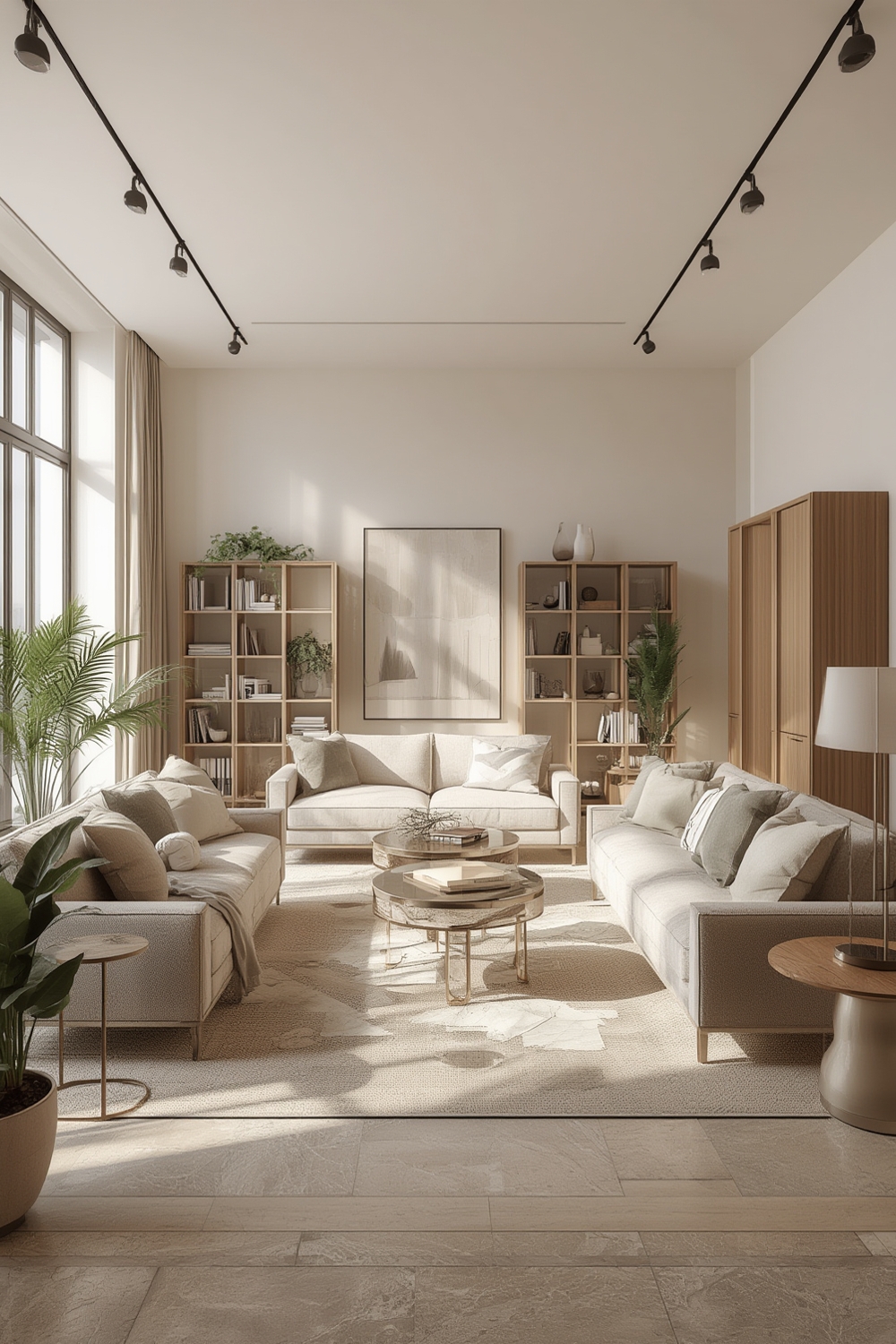
The boom in remote work and city living (the urban rental trend) fuels demand for furniture that is portable but not flimsy. However, while wood remains the most popular material due to its durability and classic look (market report), renters need to pay special attention to weight, balance, and maneuverability—especially if stairs are involved or you move regularly.
Typical options range from open bookcases, modular shelving, portable wardrobes, and console tables to accent chairs and beds that require just a twist of a knob for assembly or no tools at all. What makes these stand out is easy reconfiguration: your living room media console could become a bedroom dresser, or a dual-purpose storage bench doubles as seating and organizing in any room.
Step-by-Step Guide: How to Choose and Set Up Freestanding Furniture as a Renter
Setting up your rented space with the right freestanding furniture involves more than just picking pieces that look good. Here’s how to find flexible, durable options while avoiding the common snags that catch many renters.
- Evaluate your real needs and space constraints.
- Measure all entryways, stairways, and elevators—not just the room itself.
- Consider lightweight, modular pieces if you anticipate moving every year or two.
- Look for multifunctional storage furniture to combine storage with active living needs.
- Investigate set-up and reconfiguration options.
- Prefer collapsible or stackable designs over bulky one-size-fits-all units.
- Choose options with integrated handles, wheels, or lockable casters for easier movement.
- Think ahead about aesthetics and long-term adaptability.
- Opt for neutral finishes and simple profiles—these travel better across rentals and outlast trends.
- Items like a small sofa for bedroom can be repurposed in living spaces if you relocate.
- Compare both rent and buy options—with flexibility in mind.
- Furniture rental can provide high-end looks at affordable prices, but buying can pay off over multiple moves—especially for ultra-portable or pre-assembled pieces.
- Factor in delivery, pickup, and minimum term fees for rentals.
- Pay attention to warranty or guarantee coverage.
- Even if not highlighted in product descriptions, ask about guarantees on stability, material quality, and finish.
- Short-term coverage prevents out-of-pocket expenses if a part breaks.
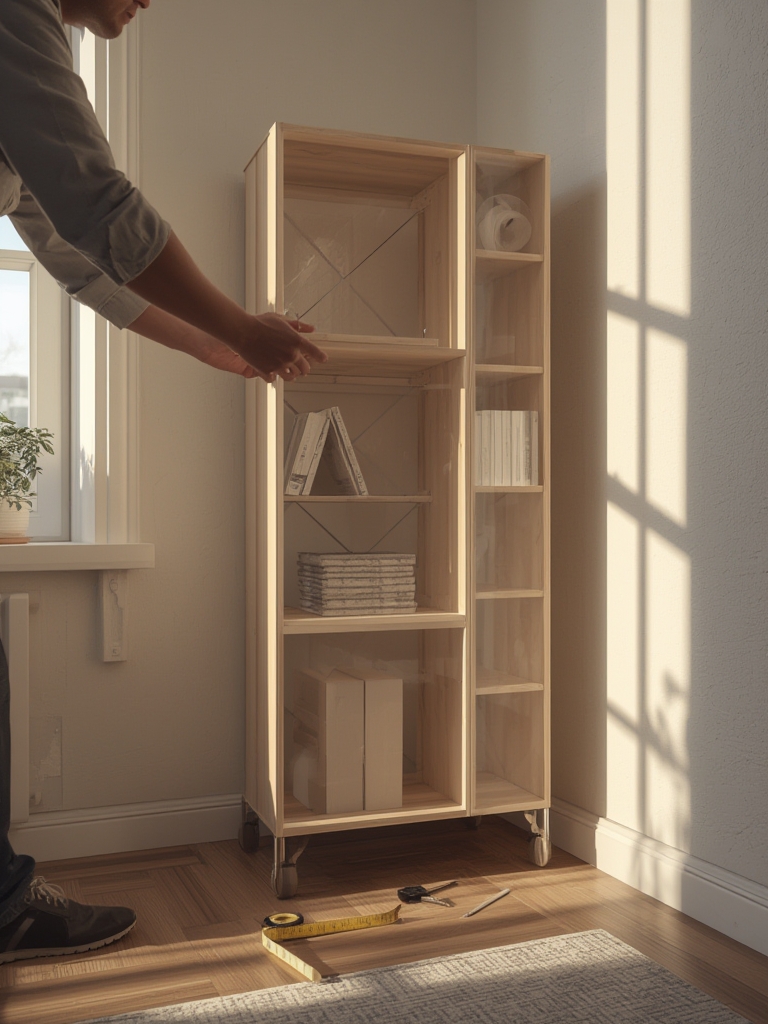
- Add protective felt or silicone beneath every leg—no exceptions. This is a quick, affordable way to keep both floors and landlords happy.
- If your unit includes a balcony or small entryway, use narrow shoe cabinets or weather-resistant racks for extra storage and flexible layout options.
- Choose shelving that assembles tool-free from reputable small-space retailers—the best are stable even at full extension and easy to move without stress.
For more small-space hacks, check out our deep-dive on multifunctional storage pieces and clever options for living room/bedroom hybrids.
Advanced Analysis & Common Pitfalls
With the rising popularity of flexible living, not every product marketed to renters stands up to daily use. Market reports cite “cost-effective options” and growing demand, but gloss over known frustrations such as:
- Freestanding wardrobes and tall bookcases tipping easily (especially when overfilled or placed on carpeted floors)
- Rental furniture with scuffed finishes, loose joints, or missing parts—common with high-turnover inventories
- Poorly designed “easy assembly” products that feel unstable or cheap compared to solid, pre-built alternatives
Comparison Table: Rental vs. Purchased Freestanding Furniture for Renters
| Criteria | Rental Furniture | Purchased Furniture |
|---|---|---|
| Upfront Cost | Low (monthly fee) | Higher initial outlay |
| Total Cost Over 2 Years | High if kept long-term | Typically lower |
| Setup/Removal | Usually delivered and removed for you | DIY or moving company needed |
| Customization and Selection | Limited to what’s in stock | Broader choices; can mix brands and styles |
| Condition/Finish | Used, possibly worn | Brand new, better resale value |
| Flexibility Across Moves | Need to coordinate rentals at new address | Take with you as you move |
Aside from pricing confusion (market stats range from USD 6.5B to USD 83.74B globally), leading market reports rarely address:
- Accurate, side-by-side cost comparisons between major rental companies and traditional retailers
- Lack of published data on customer satisfaction, complaint rates, or durability testing for popular “renter-safe” products
- Ambiguity over what damage is considered “normal wear and tear” versus damage that jeopardizes your deposit
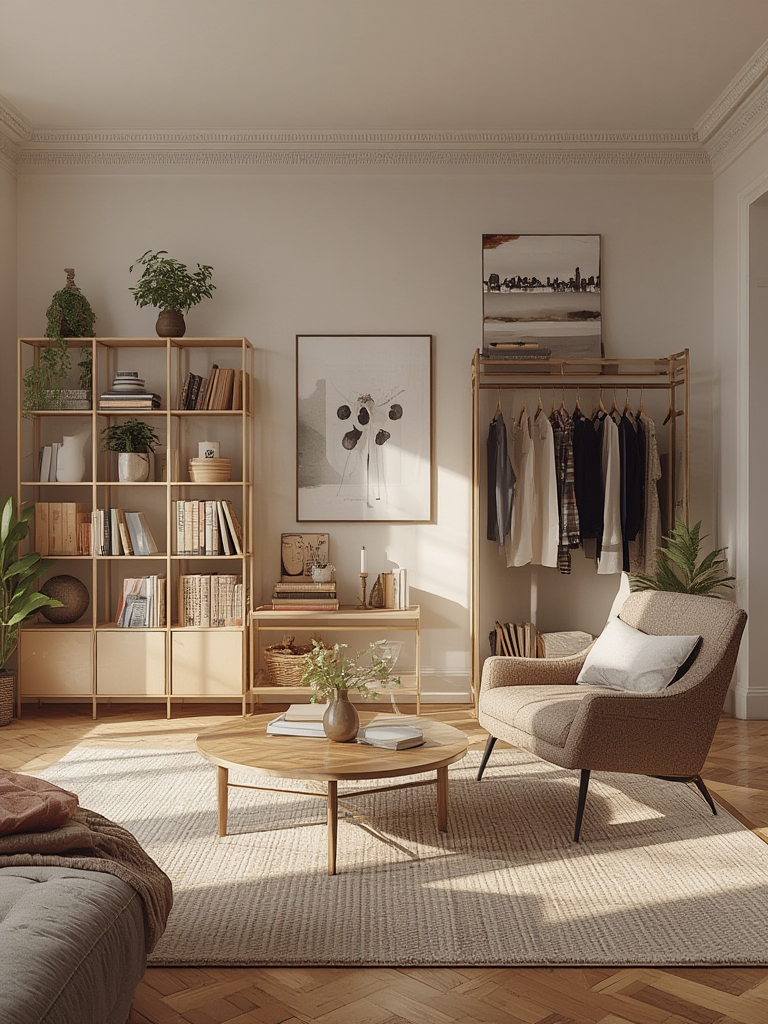
Recent innovations focus on sustainability, such as subscription-based, carbon-negative wood chairs by Minus. But reliable information on safety certifications, longevity, and proven damage prevention for high-traffic rental pieces remains hard to find. If in doubt, stick with established names and scan return policies thoroughly before committing—especially for unique or specialty furniture.
Want even more real-world guidance and space optimization tips for renters? Visit our multifunctional furniture strategy guide or browse the latest on integrated living room solutions for bedroom couches and mini sofas.
Conclusion
Freestanding furniture for renters is the secret to a hassle-free, personal home—no screws or stress required. As the market grows, remember to focus on stability, floor protection, and long-term adaptability, rather than shiny marketing claims alone. Ready to transform your rental? Start small, think flexibly, and revisit our renter-tested storage strategies for ideas that truly work.
FAQ
What counts as freestanding furniture for renters?
Any furniture that stands on its own and requires no wall mounting or permanent installation. Popular examples are bookcases, cube storage systems, wardrobes, media consoles, and benches that need no tools for setup or removal.
Will rental furniture damage my apartment or risk my deposit?
Freestanding furniture is designed to avoid property damage, but heavy or unstable units can still leave floor scratches. Add non-slip or felt pads under all legs, and avoid overloading tall bookcases or wardrobes.
Is it better to rent or buy freestanding furniture?
Renting works for short-term stays or expensive items, but buying pays off over time if you move often. Consider frequency of moves, delivery costs, and setup needs before deciding. Our comparison table above can help guide you.
Are there renter-friendly sofas for small spaces?
Yes, many sofas are designed for bedroom or studio use, such as mini loveseats or modular couches. See our guide to small sofas for bedrooms for best-in-class options.
How do I maximize storage with freestanding furniture?
Choose multifunctional pieces that offer storage and active use, like benches with lift-up seats or bookshelves with closed bins. For details, see our post on multifunctional storage solutions.
[…] choices tailored to your needs. This explains why trends like dual purpose storage furniture and portable storage solutions are exploding. For renters and city dwellers, non-plastic bins that double as side tables or […]
[…] Easy Mobility: Sections come apart for moves or re-configure to fit different floor plans, essential for renters or frequent movers (freestanding furniture for renters). […]
[…] those weighing rental-friendly alternatives, explore portable storage solutions as a non-permanent […]
[…] mounting strips or install on freestanding partitions. For more renter-friendly tips, check out freestanding furniture for renters that lets you display art without damaging the […]
[…] you need. They pair especially well with other multifunctional storage furniture and non-permanent, freestanding pieces—perfect for those who move often or want to keep their security deposit […]
[…] renters, favor freestanding furniture and temporary solutions to avoid landlord issues or losing your […]
[…] you rent or want non-permanent furniture, scan our freestanding furniture guide for solutions that won’t cost your deposit or require landlord […]
[…] 2: “The room feels cluttered and cramped.”Solution: Use modular, slim-profile, or freestanding furniture for renters to maximize flexibility, keep storage off the floor, and avoid […]
[…] Busy renters and small apartment dwellers especially appreciate how swap-friendly these hangers are—no tools or permanent changes needed, fitting the lifestyle highlighted in freestanding furniture solutions. […]
[…] clearance than standard bookcases. 🔥 Hacks & Tricks: Combine shallow modular shelving with freestanding furniture for renters to create “micro-zones” for work, clothes, and hobbies—even in underutilized corners or next […]
[…] smart pick for renters or anyone with non-permanent or modular storage needs. Explore more on freestanding, renter-friendly furniture for small […]
[…] Custom closet systems also appeal to renters since modular, non-permanent designs can be installed and removed easily, making closet upgrades possible even when you can’t change the structure. For more renter-friendly storage inspiration, check out our guide to freestanding furniture for renters. […]