

Looking for a smarter way to organize your cramped home? Modular shelving offers renters and small apartment dwellers the flexibility to transform storage without permanent fixes or wasted space. But is it always the right answer? Let’s break down what truly matters for modern small-space storage.
Key Takeaways
- Modular shelving can be renter-friendly and adaptable, but costs and material quality vary greatly by brand and design.
- No-drill and freestanding options make modular shelving possible in apartments where wall damage isn’t allowed.
- Common complaints include high price, limited finish selections, and stability issues when overloaded—be realistic about your actual needs.
Table of Contents
What Are Modular Shelving Systems for Small Apartments?
Modular shelving refers to shelves and storage units you can configure, expand, or reassemble to fit your available space or needs. Unlike traditional fixed bookcases or one-size-fits-all storage, modular systems let you add, remove, stack, or rearrange units—often without damaging your walls.
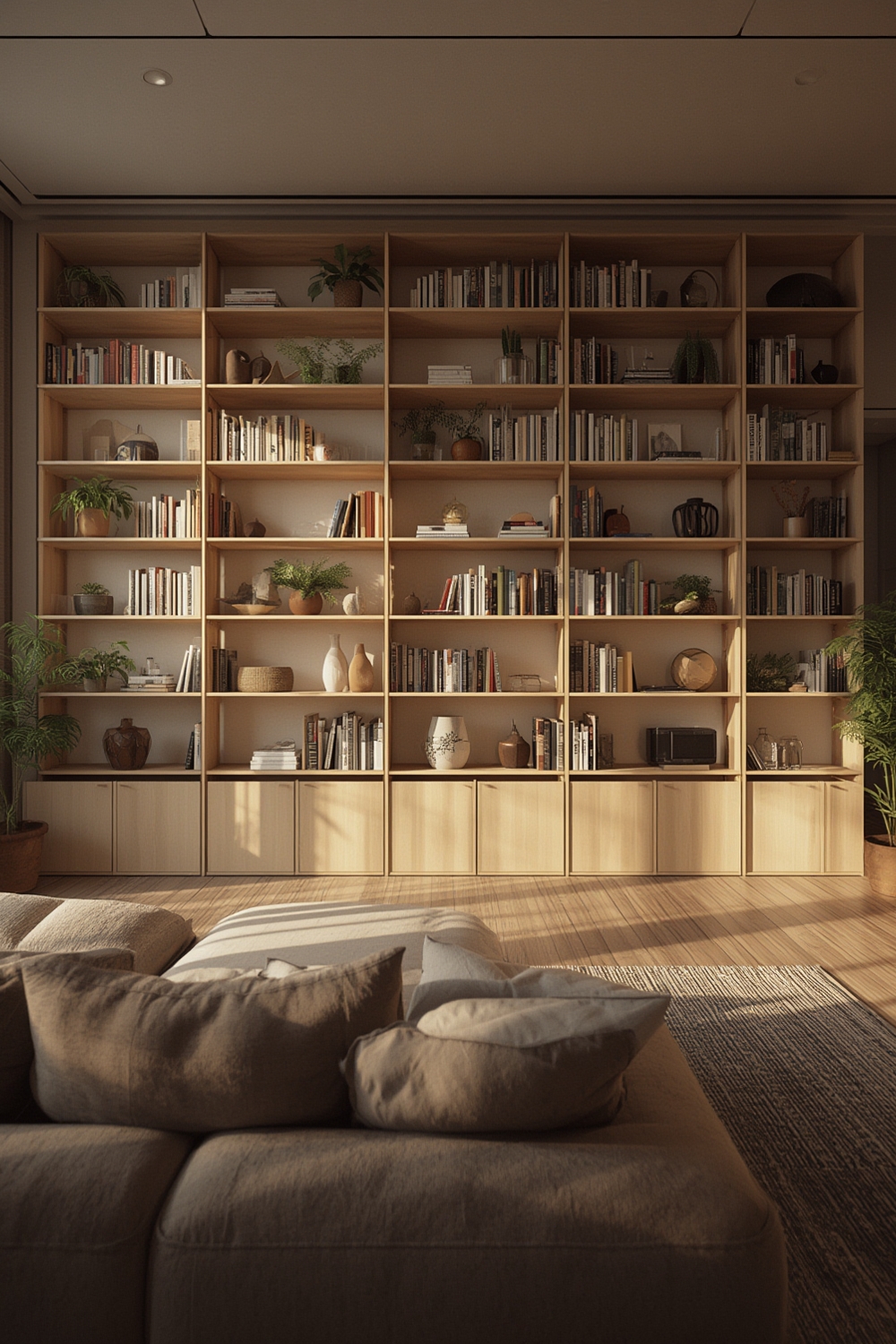
Renter-friendly modular shelving makes it possible to carve out organized nooks in studios or tight apartments. Systems like the Burrow Canon Low Shelf or the unfnshed Modular Shelf provide expandable storage without requiring permanent mounting, while high-end names like Vitsoe offer wall-filling, customizable grids, but sometimes need drilling.
Unlike classic units (think basic IKEA Billy), a modular design allows for sideways expansion, mixing different height shelves, creating room dividers, or fitting awkward corners—whatever your studio or apartment demands.
If you want furniture that serves more than one job, see how multifunctional storage furniture aligns with modular shelving for ultimate flexibility.
How to Choose and Set Up Modular Shelving in Small Spaces
Here’s a straightforward plan to add modular shelving to your apartment without hassle, landlord risk, or wasted cash.
- Audit your true storage needs:
- Make a list of what you actually want to store—books, bins, kitchenware, electronics, decorative items.
- Estimate the weight and height—modular shelves have limits (e.g., Burrow supports up to 87 lbs per shelf; Kepsuul units are thinner and not ideal for TVs or heavy gear).
- Research true no-drill or renter-safe options:
- Look for fastener-free designs—unfnshed Modular Shelf or standalone Burrow/Gracie Oaks models.
- Verify if wall mounting (like with Vitsoe) is required—if so, get landlord approval or opt for Freestanding (no wall drill) models.
- Match finish and material to your space:
- Most modular units come in limited finishes (e.g., black frame, oak/walnut shelves for Burrow) so confirm they blend in.
- For greener alternatives, check out eco-friendly storage materials—some modular brands are embracing bamboo or recycled content.
- Test stability on your floor:
- If you have uneven hardwood or tile, look for shelves like Burrow’s three-leg base for extra steadiness.
- If it wobbles, try adding non-slip furniture pads.
- Plan for assembly and possible disassembly:
- Read reviews to see if you’ll need tools or help; thin wood units (like Kepsuul) may require careful assembly for durability.
- If you move often, modular choices—especially true no-drill—can come apart quickly with less stress on the next move.
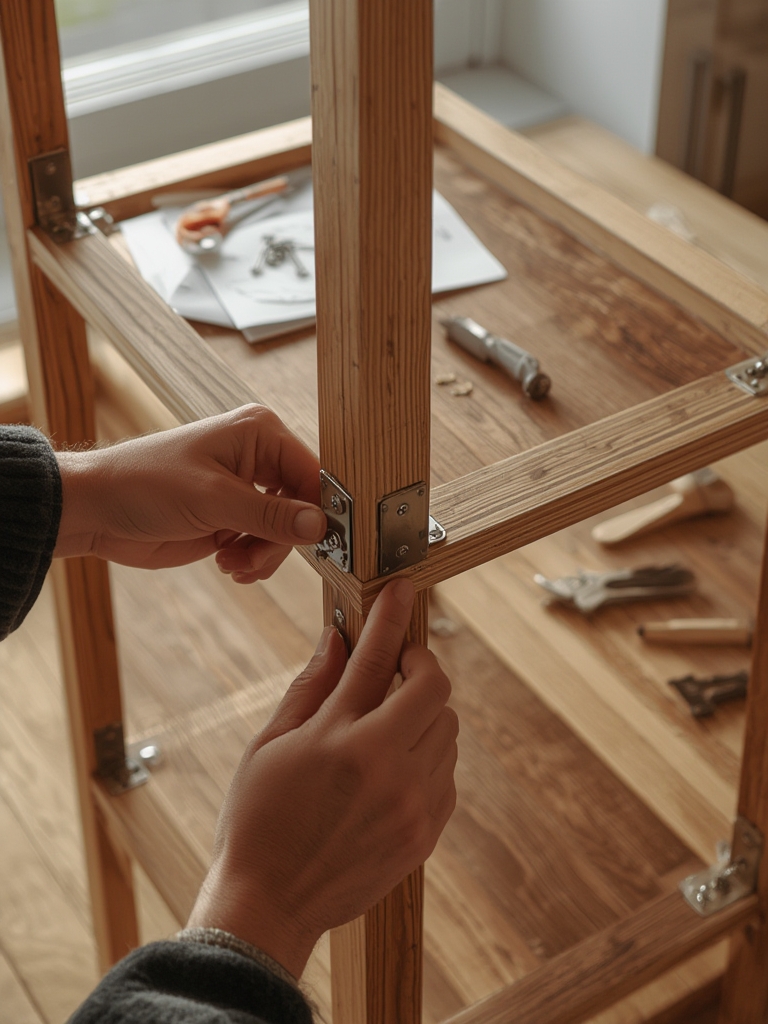
- For super-tiny apartments, supplement shelves with small sofas for bedrooms and wall-mounted folding tables to optimize every square inch.
Don’t forget: Most modular shelving can be reconfigured—add or subtract shelves, adjust height, or even use single sections as open nightstands or media consoles.
Advanced Analysis and Common Pitfalls
Most people expect modular shelving to “do it all”—but negative reviews reveal recurring challenges, especially for renters and small studios.
- High Cost per Shelf: Systems like Burrow or Vitsoe cost far more per linear foot than DIY or traditional bookcases. For example, a Burrow unit costs $395 while budget alternatives can be under $100.
- Assembly Issues: Freestanding modular shelves (like Kepsuul) sometimes use thinner wood, which can flex or warp under heavy loads over time. Take care if using for electronics or dense books.
- Limited Aesthetic Choices: Reviews regularly note few finish options—for instance, only black frames with oak or walnut shelves.
- No-Drill Isn’t Always an Option: Premier wall-mounted systems (Vitsoe) still require power tools and can be rental-unfriendly unless you’re allowed to drill.
- Removal and Relocation Risks: Even “portable” modular systems may be cumbersome if made of metal and engineered wood, so read up on the return or break-down process before buying.
Here’s a comparison of major options, with costs and installation notes:
| System | Approx. Cost | True No-Drill? | Material Notes | Load Capacity* |
|---|---|---|---|---|
| Burrow Canon Low Shelf | $395 | Freestanding (no wall drill) | Metal frame, engineered wood | 87 lbs per shelf |
| Vitsoe 606 | >$2,500 | No (requires wall drill) | Powder-coated aluminum | Custom per config |
| CLOSETMAID Kit | Not listed | Likely not (requires brackets) | Wood + metal brackets | Heavy duty (user-confirmed) |
| unfnshed Modular Shelf | ? | Yes (fastener-free) | Unlisted | Not detailed |
| Gracie Oaks | ~$100 | Freestanding | Budget metal frame | Not listed |
*Per manufacturer or user reviews where available.
- Want a built-in look but still be able to move? See our built-in storage solutions guide for seamless modular inspiration.
- For a living area that adapts as easily as your shelves, check out modular sofas for small spaces.
Manufacturers rarely provide third-party durability or humidity data. If you live in a humid climate or plan to use shelving in a bathroom or laundry nook, consider adding dehumidifying packs and stick with metal/laminate over raw particleboard.
- Modular closet shelves (e.g., ClosetMaid) are easier to remove than wall-drilled units, but be aware that weight capacity does not always equal “sturdy after 2 years of use.”
- Permanent installations like Vitsoe offer ultra-solid feel, but removing them can damage your walls and your deposit.

Conclusion
For renters and small apartment dwellers, modular shelving promises flexibility, style, and reusability—but not all systems are affordable, no-drill, or as durable as expected. Set realistic priorities: weigh your need for flexibility, willingness to pay for quality, and whether true no-drill setups are essential before buying.
In short: Take time to measure your space, investigate your building rules, and get hands-on if you can before committing to a modular shelving system. Your future self—and maybe your next landlord—will thank you.
Ready to overhaul your apartment’s storage? Browse real-world options and get the most practical advice by exploring more guides on Maximize Small Space. Discover how modular shelving can transform your small home—without regrets.
FAQ
Is modular shelving really worth it for renters?
It depends on your priorities. If you value flexibility and want to avoid wall damage, no-drill or freestanding modular shelving can be a smart investment. However, costs are usually higher than traditional bookcases, and some options have limited finishes. Always weigh price, style, and ease of removal with your future moves in mind.
Are no-drill modular shelving units stable enough for heavy items?
Some are, like Burrow’s 87-lb capacity shelves. Others, especially those with thin wood like Kepsuul, may flex or wobble under heavy loads. For heavy books or electronics, look for metal-framed or well-reviewed options and never exceed manufacturer weight recommendations.
Can I assemble and disassemble modular shelving myself?
Most modular shelves are designed for DIY assembly. Fastener-free models like unfnshed require minimal tools. Still, check the reviews—some users find setup fiddly or time-consuming, especially for larger systems. If tool-free assembly is key for you, prioritize “easy assembly” tags and reviews.
Can modular shelving be used in closets?
Absolutely. Many modular systems are designed specifically for closet use. ClosetMaid and others offer expandable options that fit inside standard wardrobes without wall drilling. Match dimensions to your closet and consider how much weight you want the shelves to hold over time.
How do modular shelves compare to multipurpose furniture?
They’re complementary. Modular shelves are best for open storage and display, while multipurpose furniture offers enclosed, double-duty storage. Using both together maximizes efficient use of every square foot in a small apartment.