

Oversized wall art small room strategies can make even the tiniest space feel open, airy, and intentional—if you do it right. Instead of cluttering your walls with lots of tiny prints, learn how to use one bold piece to expand your room’s perceived size and style, without overpowering or crowding your living space.
Key Takeaways
- Oversized wall art visually expands small rooms by anchoring space and reducing visual noise.
- Correct proportions, placement, and lighting are critical for balance—wrong choices can shrink or clutter the room.
- Integrating art with multi-functional furniture makes the most of limited space and maximizes impact.
Table of Contents
What Oversized Wall Art Does for Small Rooms
Oversized wall art works in small rooms by giving the eye one clear, spacious focal point. Unlike traditional gallery walls or smaller prints, a single large artwork draws viewers into its negative space, tricking the brain into perceiving more depth and openness. Designers—while there are no specific stats—universally agree that this technique counters the “boxed-in” effect common in compact apartments and studios. Large-scale art can lift low ceilings, widen narrow walls, and make decorative choices feel more intentional, not haphazard. The key: choosing the right piece and placement so the art becomes part of the room’s rhythm, not a visual obstacle.
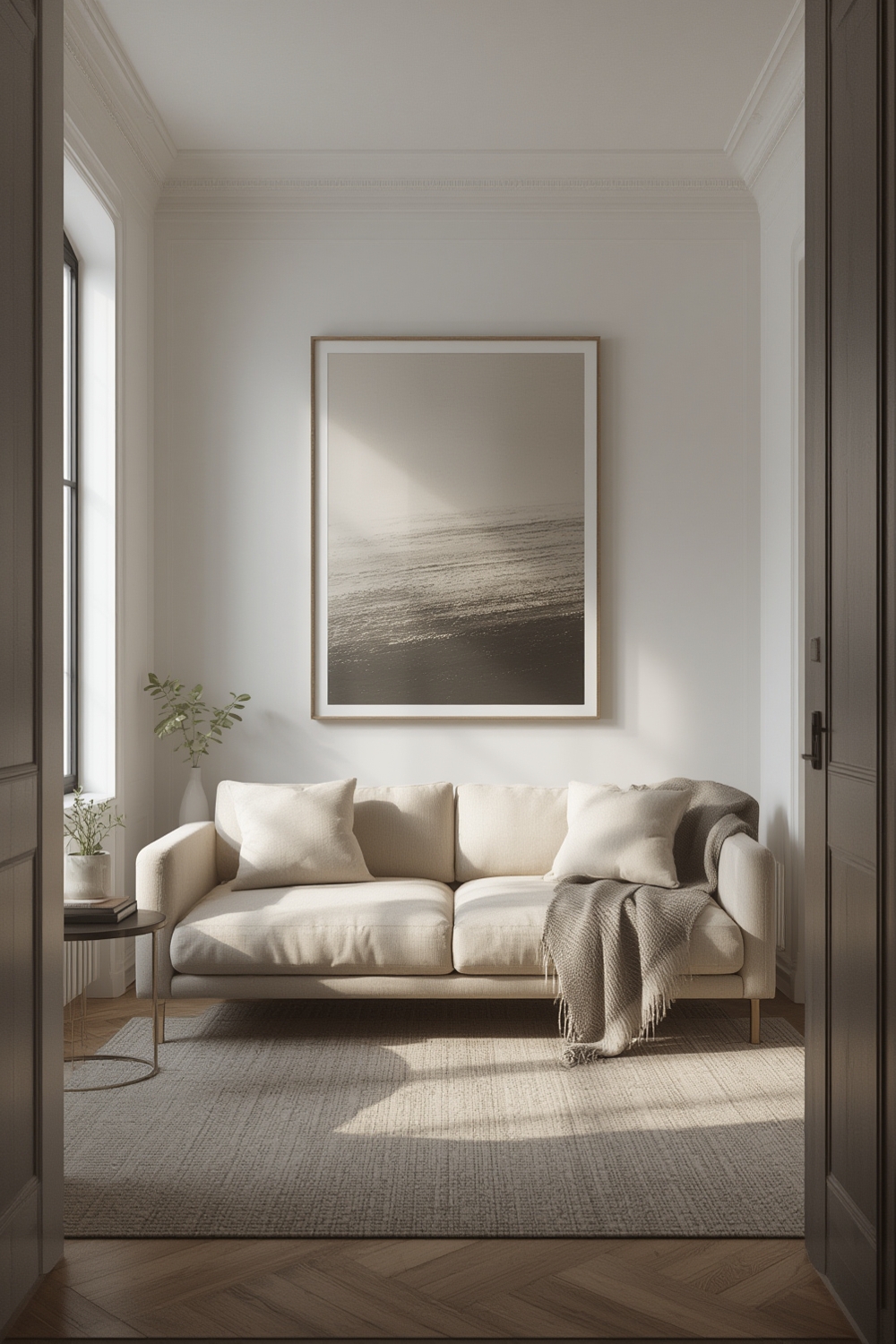
Step-by-Step Guide: Hanging Oversized Wall Art in a Small Room
Ready to transform your studio, compact den, or tiny bedroom? Follow these actionable steps:
- Measure your wall and furniture. The best oversized wall art covers 50–75 percent of the width of the main furniture piece below it—like a sofa, bed, or console table. If placing art on a blank wall, aim for your piece to fill 30 percent or more of the total wall area.
If you need more functional storage underneath your art display, consider integrating built-in storage solutions to keep the space uncluttered but highly usable. - Select art with the right subject and palette. panoramic landscape prints or minimal single-subject pieces open up tight quarters, especially when the artwork uses subtle shading or bright, airy colors. Avoid busy patterns unless your style is intentionally maximalist.
- Choose strategic placement and orientation. Hang art slightly above eye level to lift the ceiling. If possible, place it where daylight or your best lamp can highlight the colors and textures—light plays a huge role in making a space feel larger and more dynamic.
- Install securely. Large art often requires heavier hardware. If you rent, select removable mounting strips or install on freestanding partitions. For more renter-friendly tips, check out freestanding furniture for renters that lets you display art without damaging the walls.
- Pair with practical, space-saving furnishings. Offset the bold statement of oversized art with subtle, streamlined pieces—think modular sofas for small spaces or a space-saving wall-mounted folding table nearby.
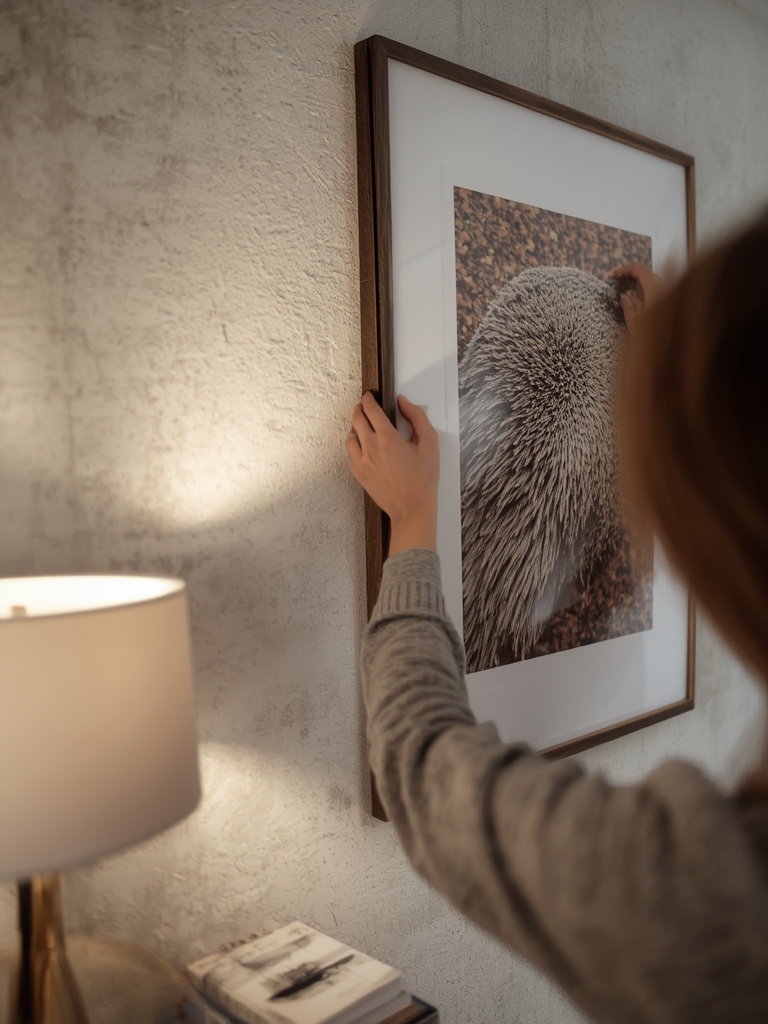
Advanced Analysis & Common Pitfalls
While the right oversized wall art can make a cramped room seem architectural, there are realistic issues to consider before you buy or install:
- Overpowering the room: If the art is too large or dark, it may dwarf furniture and shrink the space instead of opening it. Pieces that run almost wall to wall make rooms feel boxed in if there’s little breathing room around them. See advice on using minimalist wall art for small spaces.
- Distracting frames: Harsh black or extra-heavy frames on light-colored walls can visually “cut off” your art. This disrupts flow and makes the wall feel smaller. Try floating mounts or light-toned frames that blend in, as suggested by Artfully Walls’ expert tips.
- Lack of integration with lighting: Art placed in dark corners or shadowy spaces can look heavy and make your room feel flat or gloomy. Natural light, picture lights, or well-placed lamps enhance depth—something many blog guides overlook.
- Impractical installation for renters: Traditional wall mounting often means serious holes or anchors. If you rent, leverage non-permanent hanging systems, freestanding panels, or temporary solutions for flexibility.
- Scale mismatch with furniture: Choosing a piece that’s too small creates a cluttered, disjointed look. The art should feel naturally proportional to both your wall and the biggest nearby furniture. Otherwise, the room may come off as under-designed.
Compare the effects of a single oversized piece versus a gallery wall of smaller works:
| Oversized Wall Art | Small Gallery Wall |
|---|---|
| Anchors space and reduces visual clutter | Risks feeling busy or cluttered if poorly composed |
| Creates illusion of spaciousness using depth and negative space | Adds rhythm, but can break up walls and shrink perceived space |
| Simple to install, less risk of crooked or mismatched pieces | Requires careful layout; can feel under-designed if too small |
| Psychologically grounds and “opens up” the room | May feel cluttered or invisible in compact quarters |
If you crave flexibility, try a large piece with built-in storage or display ledge to combine art and utility (see more on multifunctional storage furniture—a leading trend for 2026).
Conclusion
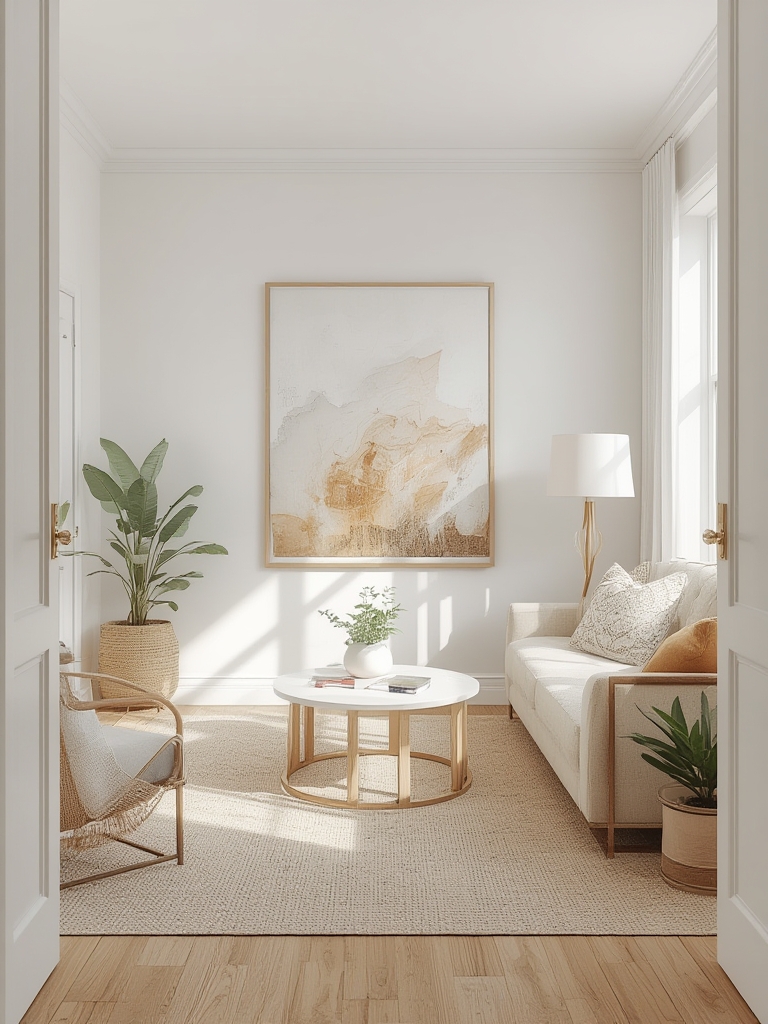
Oversized wall art is a powerful strategy for expanding the feel of a small room—but it takes careful planning. The right piece and placement will shift your tiny space from crowded and chaotic to intentional and open. Remember to tailor your choice to the room’s function, color scheme, and lighting. For more space-saving ideas, check out guides on eco-friendly storage materials or how a small sofa for bedroom can complement your art wall. Ready to rethink your space? Start by choosing the perfect piece of oversized wall art small room for your style and storage needs today.
FAQ
Can I hang oversized wall art in a rental without damaging the walls?
Yes. Use removable adhesive strips, lightweight frames, or display your art atop freestanding furniture. Freestanding furniture for renters offers even more creative, non-permanent options.
What size art is considered “oversized” for a small room?
Anything covering 50-75 percent of the main furniture width (like your bed or sofa), or at least 30 percent of an empty wall, typically counts as “oversized.”
How do I keep large art from overwhelming a small space?
Choose art with lots of negative space, use lighter frames, and ensure there’s room around the piece. Pair with minimalist or multi-functional furniture for balance.
Can I use extra large art in a bedroom?
Absolutely. In fact, it can anchor the room without cluttering. Hang above the headboard or opposite the bed, and choose calming motifs to set the right mood. Complement with a small sofa for bedroom if you have space.
[…] Top-ranking tiny home guides rarely discuss these real struggles. Most focus solely on market size or visuals, skipping hands-on owner experiences, proven organization strategies, or common mistakes.If you want more on practical space-saving ideas, see nesting tables and oversized wall art for small rooms. […]