

Slim hangers have rapidly become the top pick for anyone trying to maximize closet space, especially in small homes and apartments. But do they really deliver on their promise of space savings, or are they just another organizing fad? Here’s everything you need to know before you buy.
Key Takeaways
- Slim hangers—especially velvet options—are among the simplest ways to increase closet capacity in tight spaces.
- Real-world durability, weight capacity, and longevity vary—know what to check before replacing your hangers in bulk.
- Potential pitfalls include limited strength for heavy items and the risk of slippage if you choose certain finishes or shapes.
Table of Contents
What Are Slim Hangers and Why Are They So Popular?
Slim hangers are designed for maximizing clothing storage by replacing traditional bulky hangers with thinner, streamlined profiles. Most options—particularly velvet slim hangers—feature a non-slip surface and can be up to 80% slimmer than standard wooden or plastic versions. This helps fit significantly more clothing side-by-side in limited closet space.
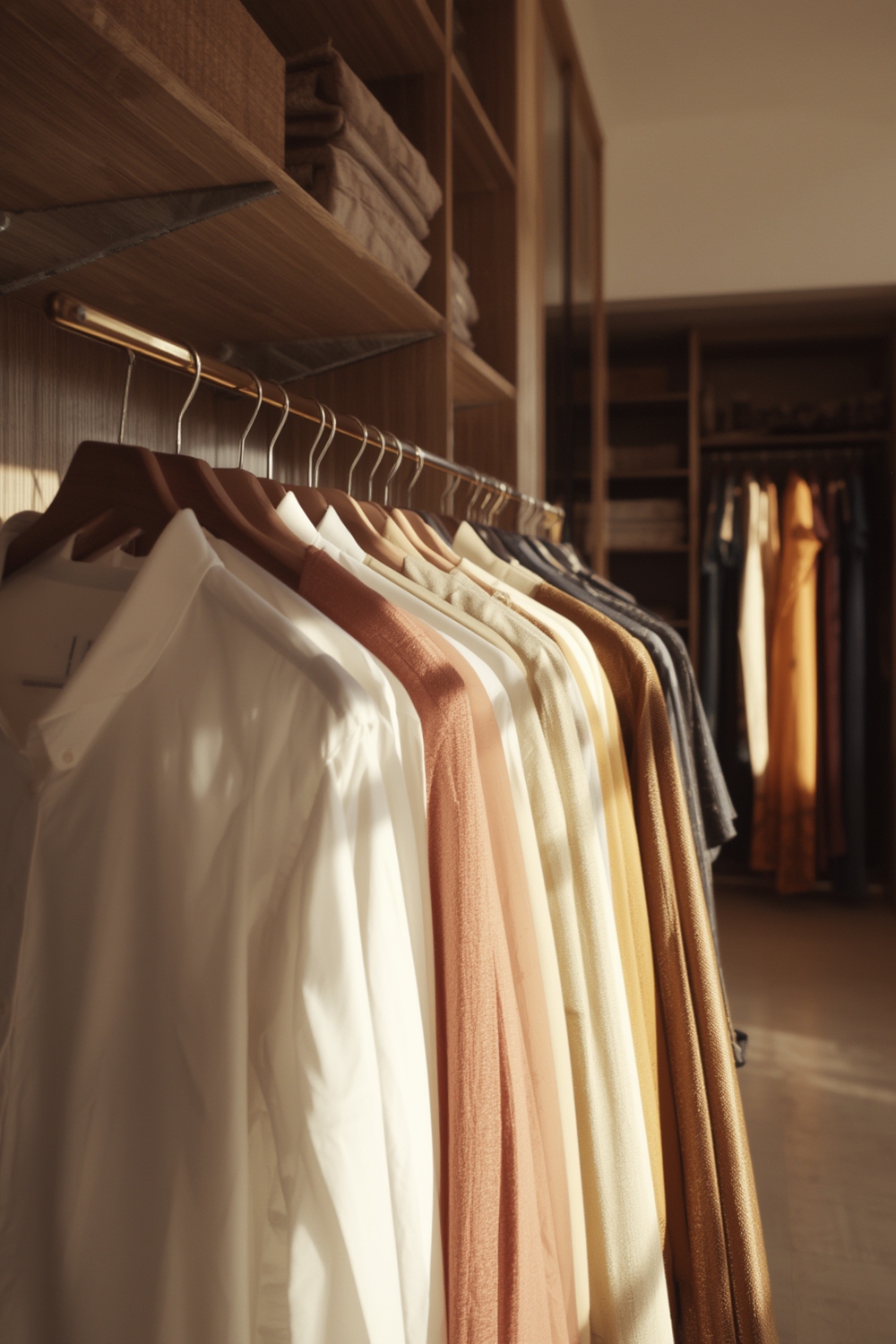
The global hanger market was valued at over USD 2 billion in 2024 (source), driven largely by a need for smarter storage inside increasingly compact homes. Residents in urban centers are looking for innovative organizing tools, and slim hangers—alongside space-saving furniture and wall storage systems—are leading the charge.
When compared to traditional hangers, slim varieties typically:
- Accommodate two to four times as many garments on the same rail length
- Enable a cleaner, more uniform closet look—visually reducing clutter
- Are favored for delicate fabrics, thanks to velvet and other non-slip coatings (source)
Busy renters and small apartment dwellers especially appreciate how swap-friendly these hangers are—no tools or permanent changes needed, fitting the lifestyle highlighted in freestanding furniture solutions.
How to Switch to Slim Hangers: Step-by-Step
Converting your closet to slim hangers is a straightforward process. However, you can supercharge your results with a few preparation and organizing techniques.
- Empty Your Closet Completely: Take everything out. This lets you clean shelves and rails, and sort through your clothing at the same time.
- Edit Your Wardrobe: Donate, recycle, or sell items you haven’t worn in a year. Streamlining your wardrobe means even more benefit from the added capacity.
- Choose the Right Slim Hanger Material: Velvet is ideal for lightweight or delicate items. For heavy coats or suits, a reinforced non-slip plastic or slim metal option is better.
- Test Hanger Strength: Before fully committing, test one slim hanger with your heaviest item (like a winter coat) to ensure it holds without bowing or breaking.
- Rehang and Arrange: Place your clothes by frequency of use and category. Many people find it easiest to group by garment type and then by color.
- Final Touches: Add shelf bins or under-rail storage for accessories—a trick borrowed from sustainable storage guides.
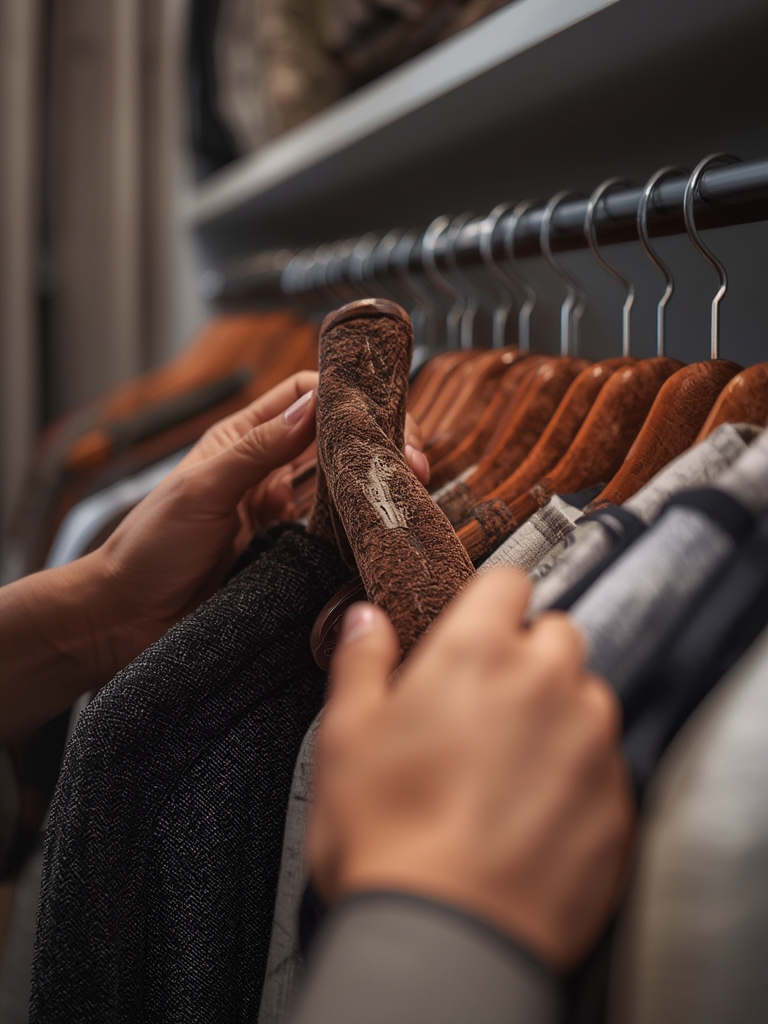
Tip: If you’re outfitting a guest closet or a compact entryway, a smaller set of slim hangers (20–30 pieces) is often sufficient. For main closets, 50–100 may be needed, especially if you share the space.
Advanced Analysis & Common Pitfalls
While slim hangers offer real benefits in maximizing closet space, they also come with a few caveats and design limitations you should know before purchasing in bulk.
Common Pitfalls to Watch For
- Durability Concerns: Extra-thin profiles can snap under weight, especially with heavy winter coats, blazers, or bags.
- Slippage: Not all slim hangers have high-quality non-slip coatings. Low-grade velvet can shed, and smooth plastic or metal may cause garments to slip to the floor.
- Shorter Lifespan for Budget Options: Cheaper hangers may have weaker hooks or joints; these loosen over time, making them unreliable for daily use.
- Weight Limitations: Many slim hangers are not rated for more than 10–15 lbs. Overloading leads to bending, warping, and breakage.
- Compatibility Issues with Rods: Some slim hangers don’t work well on oversized or non-standard rods, especially in custom or older closets.
Material Comparison Table
| Type | Coating Material | Strength | Best Use | Typical Price (2024)* |
|---|---|---|---|---|
| Velvet Slim Hanger | Flocked (Velvet-like fiber) | Low to Medium | Blouses, dresses, t-shirts | $20–$35 for 50 |
| Non-Slip Plastic Slim Hanger | Rubber or silicone strip | Medium | Shirts, polos, pants | $18–$30 for 50 |
| Metal (Steel) Slim Hanger | Vinyl coating, bare or textured steel | High | Heavy coats, blazers | $25–$50 for 50 |
*Actual prices vary by seller, brand, and number of features such as hooks, clips, or markers
Sources: Market analyses from Future Market Insights and retailer listings.
If you want your closet to do even more, consider combining slim hangers with other smart solutions like a wardrobe with pull out desk or foldable dining tables for small apartments to free up space in every room.
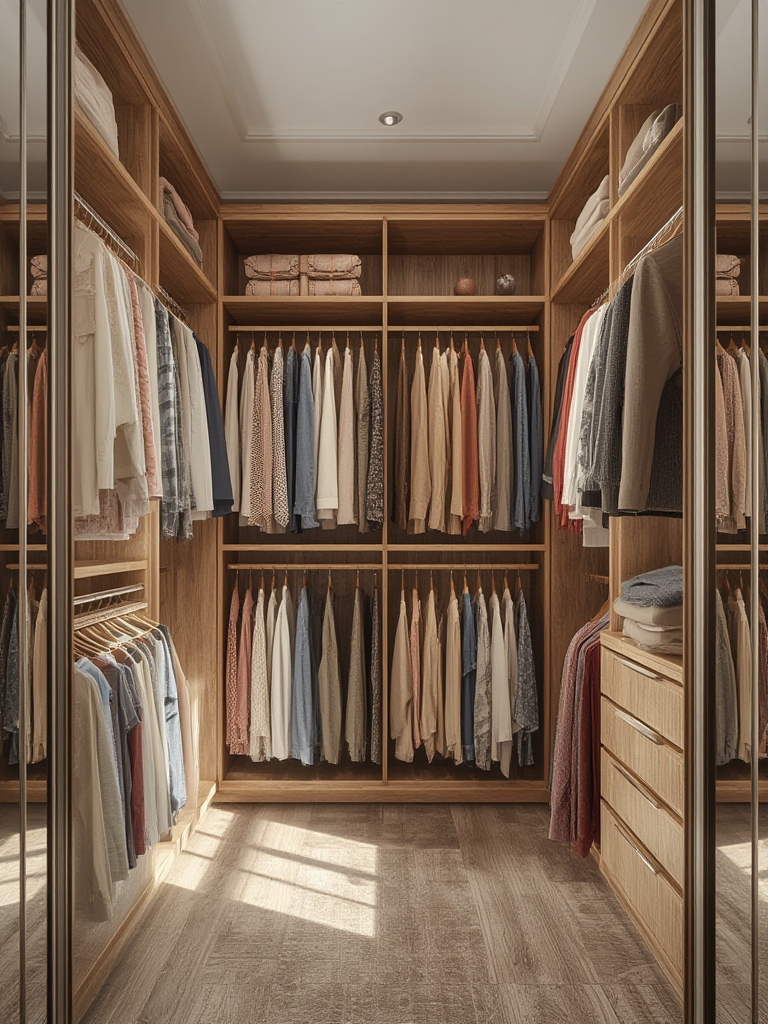
If you live in a studio or organize shared spaces, durability matters even more—opt for reinforced slim hangers with strong metal hooks or hybrid designs combining plastic and steel for extra support.
Conclusion
Slim hangers genuinely increase usable closet space and make organizing easier in tight quarters—but they’re not flawless. Consider the specific materials and weight limitations that suit your wardrobe. Always check hook strength, test with your heaviest item, and mix in traditional hangers for the bulkiest items. By approaching your closet upgrade methodically, you’ll enjoy a more functional, attractive, and lasting setup.
Ready to make the most of your space? Upgrade to slim hangers today and experience the difference yourself!
FAQ
How much space can slim hangers really save?
Most users find they can fit two to four times as many garments compared to using standard wooden or tubular plastic hangers. Exact space saved depends on clothing size and density, but for a mid-size closet, this often means room for 20–30 more items per four-foot rail.
Are velvet slim hangers strong enough for heavy winter coats?
Velvet slim hangers are best for shirts, blouses, and dresses. For heavy winter coats or blazers, use slim metal hangers or reinforced plastic varieties with a higher weight tolerance.
Why do some clothes slide off my slim hangers?
Cheaper velvet or plastic slim hangers may not have an effective non-slip surface. Look for quality flocking or added grips. Avoid using worn or faded hangers—replace them if slippage becomes common.
What’s the best way to store accessories and odd-shaped items?
Pair slim hangers with shelf bins, hanging organizers, or cascading hooks. Necklaces, belts, and scarves are best kept off main garment hangers to prevent tangling and stretching.
Do slim hangers work for every closet type?
Slim hangers fit most closet rods, but very thick or non-standard rods can cause fit issues. Always measure your rod diameter before buying in bulk.
[…] sensor lights or app-controlled racks can make even a small closet feel high-end. See our review of space-saving slim hangers to save rod […]