

small sofa for bedroom is one of the easiest ways to boost comfort without dominating limited space. Bedrooms are getting smaller, but your seating solutions don’t have to be cramped or awkward. If you want a cozy retreat, read on for a straightforward approach to picking, placing, and loving the right compact sofa for your bedroom.
Key Takeaways
- Small sofas made for bedrooms can deliver real function and comfort in tight spaces—if you select and position them wisely.
- Multifunctional and storage-friendly designs are taking the lead across the small space furniture market, per industry data.
- Pitfalls like poor fit, tricky assembly, and disappointing comfort are common. Avoidable with up-front research and a few hacks.
Table of Contents
What Is a Small Sofa for Bedroom—and Why Consider One?
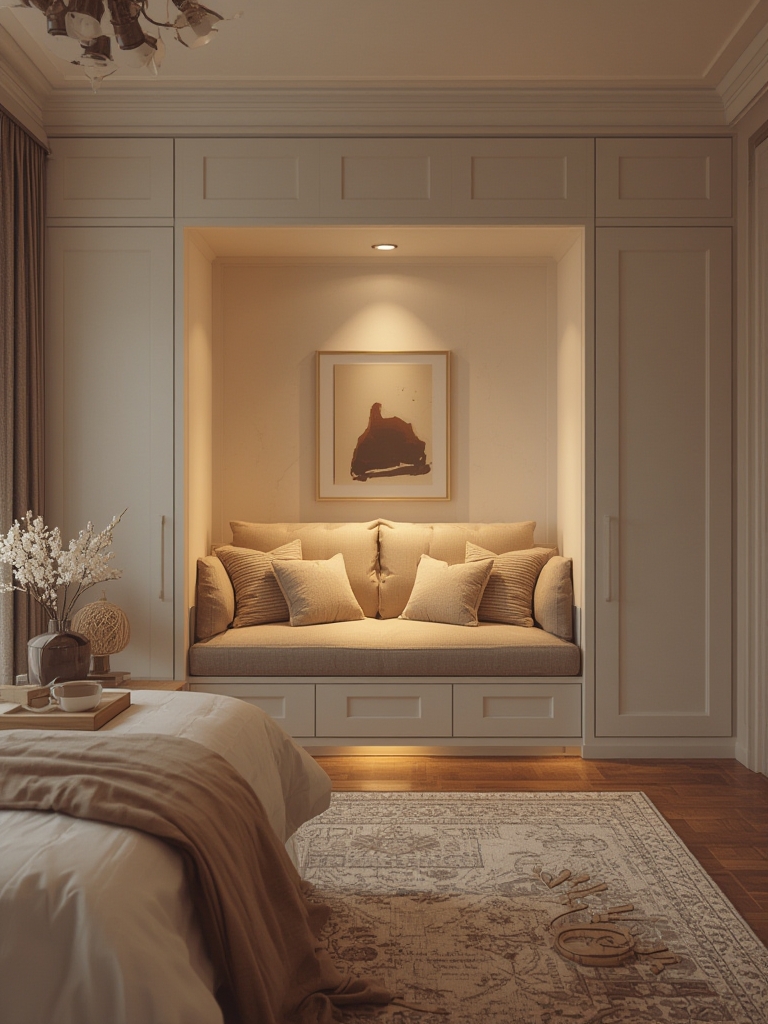
A small sofa for bedroom use is a compact seating solution designed specifically for bedrooms, often measuring under 65 inches in width. Unlike a full-size couch, it fits easily at the foot of a bed, against a wall, or in a reading nook. The best models blend seamlessly with your decor while providing a spot to relax, read, or host overnight guests.

With new trends emphasizing space-saving and multifunctional furniture, a small sofa for bedroom use is more practical than ever. Brands like IKEA and West Elm now offer modular or storage-rich options that bring extra function to apartments and small homes. Maximize Your Small Space shows just how far compact furniture has come in recent years, giving new flexibility for even the tightest bedrooms.
Ultimately, it’s about comfort, convenience, and style on your own terms—without overcrowding your sanctuary.
How to Choose and Style a Small Sofa for Bedroom: Step-by-Step
Adding a small sofa for bedroom is only smart if it fits both your space and your habits. Here’s how to pick (and place) the right one for lasting comfort and versatility.
Step 1: Decide on Your Main Purpose
Will your small sofa for bedroom be used as a reading spot? Occasional guest bed? Lounging? Your primary need shapes the features you should prioritize. For instance, a multifunctional storage sofa works well for those who crave hidden compartments, while a convertible loveseat is smart for sleepovers.
Step 2: Set a Size Limit
For most bedrooms under 150 sq. ft., stick with sofas 45-65 inches wide, 30-35 inches deep, and 30-35 inches high. Ensure at least 30-36 inches clearance for walking. Avoid oversized arms or excessive tufting—these eat up precious inches.
Step 3: Evaluate Comfort and Construction
Read user reviews to catch complaints about firm cushions, uneven seating, and assembly headaches. If possible, test in-store. Avoid sofas with flimsy frames or thin seat padding; these rarely last in daily use.
Step 4: Think Function First, Style Second
Choose upholstery based on your lifestyle. Durable fabrics (performance blends, microfiber, or stain-resistant polyester) are ideal for homes with kids or pets. Pick colors that harmonize with your bedding and accent pieces.
Step 5: Maximize Functionality
Consider pull-out beds, built-in storage, or sofas on slender, exposed legs to amplify utility. For more inspiration, see proven solutions in Maximize Your Small Space expert reviews.
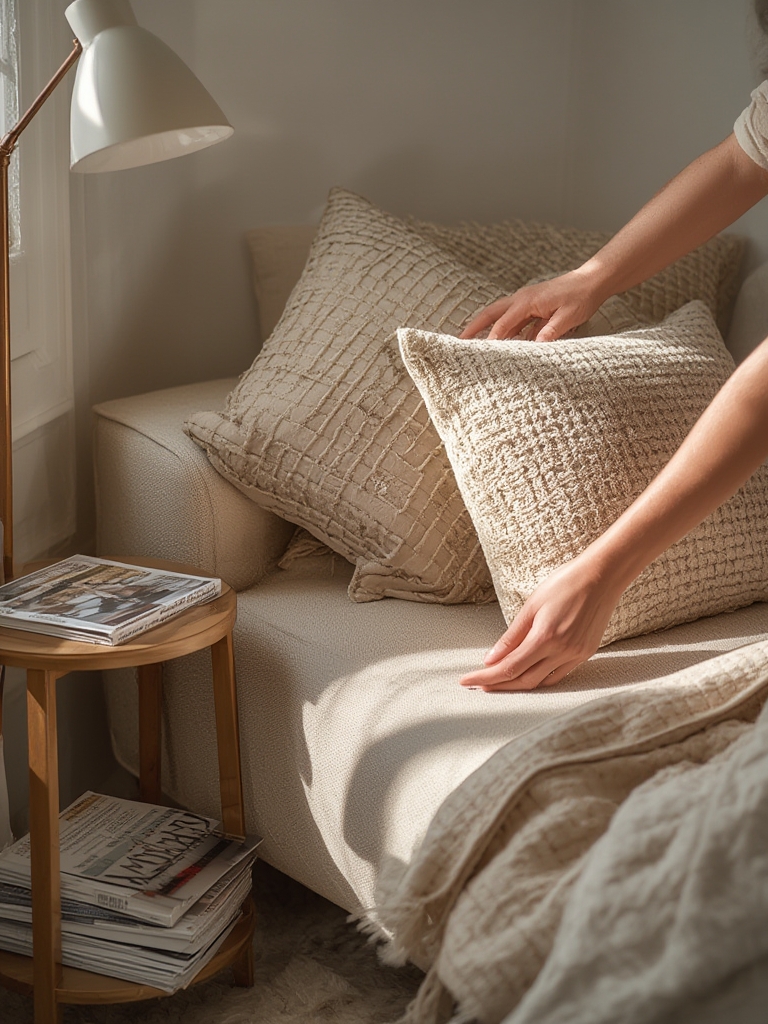
Step 6: Placement and Final Styling
Ideal locations include the window alcove, bed foot, or unused corners. Anchor the sofa with a small area rug, coordinating throw pillows, or a compact side table for a finished (not floating) look. Look at multifunctional storage furniture articles for more stylish combos.
Advanced Analysis & Common Pitfalls
While the small space furniture market is growing quickly (global sofa industry now worth USD 37.63 billion per recent market data), choosing a small sofa for bedroom use still comes with several challenges.
- Poor Fit: Undersized rooms can make even a “mini” sofa feel huge. Always leave sufficient clearance for doors, drawers, and bedside tables.
- Tricky Assembly: Flat-pack designs often require complex assembly. Many buyers express frustration with unclear instructions and missing parts.
- Disappointing Comfort: Compact sofas sometimes use thin foam and shallow depths that aren’t lounge-worthy. Test, if possible, or read reviews that mention seat feel and back support.
- Low Durability: Inexpensive models may show frame sagging or upholstery pilling within months—especially if used as a daily perch.
- Style Mismatches: A sofa that “looks smaller online” can overwhelm a muted, minimalist bedroom or clash with your color palette. Use augmented reality tools (on major retailer sites) to preview in your room.
| Feature | Standard Option | Multifunctional Solution |
|---|---|---|
| Dimensions | 50-65″ wide, 30-35″ deep, ~32″ high | Similar—plus storage or fold-out mechanisms |
| Storage | Usually none | Hidden storage under seat/arms or built-in organizers |
| Guest Bed Function | Rare | Common (pull-out, futon, or trundle) |
| Assembly | Moderate to difficult (flat-pack) | Often similar, but more parts |
| Design/Finish | Basic colors/fabrics | Customizable, more choices |
For more on how these solutions fit into expert spatial strategies, see the reviews at Maximize Your Small Space.
Conclusion
The right small sofa for bedroom can completely transform even the most modest space. Focus on accurate measurements, target your main needs (storage or sleep, lounging or design), and watch for common pitfalls like comfort compromises or tricky assembly. See proven picks and expert layouts on Maximize Your Small Space and duo-purpose furniture.
Want a bedroom that feels bigger, more functional, and truly yours? Take the next step: discover, compare, and style your perfect small sofa for bedroom now. Explore more actionable expert advice and innovative storage solutions at Maximize Your Small Space.
FAQ
What size should a small sofa for bedroom be?
Ideally, width should be between 45 and 65 inches, depth 30-35 inches, so it fits at the foot of a bed or against a side wall without overwhelming the space.
Can I use a sofa bed as my small sofa for bedroom?
Yes. Sofa beds work especially well in guest rooms or for studio living, offering seating by day and a bed at night. Just check that the full unfolded length fits with clearance for movement.
What fabric is best for a small bedroom sofa?
For most, stain-resistant polyesters, performance fabrics, or microfiber are practical, especially with pets or kids. If style is your top goal, linen or velvet fabrics are popular but require gentler cleaning.
How do I keep my small sofa from making my bedroom look crowded?
Choose sofas with slim arms, exposed legs, or open bases. Light colors, reflective finishes, and minimal layering with pillows or throws also keep the look airy.
Is a futon better than a loveseat in a small bedroom?
Futons offer more sleeping flexibility for guests, but loveseats typically provide superior comfort and aesthetics for daily seating. Pick based on your main need—sleep vs. style.
[…] beds, or along entryways. For bedrooms, integrating storage beneath window seats or selecting mini sofas with storage can combine functions and save significant floor […]
[…] as inviting and calming, echoing forms in nature and the human body. Some solutions, like a mini sofa for bedroom or a curved loveseat in your living room, create a cozy area and boost both aesthetics and […]
[…] inch matters, pairing a wardrobe with pull out desk with multifunctional storage furniture or a small sofa for bedroom ensures no space is wasted—everything works double […]
[…] lighting. For more space-saving ideas, check out guides on eco-friendly storage materials or how a small sofa for bedroom can complement your art wall. Ready to rethink your space? Start by choosing the perfect piece of […]
[…] For more small-space hacks, check out our deep-dive on multifunctional storage pieces and clever options for living room/bedroom hybrids. […]
[…] Touches: Use a small movable rug or a pair of small-scale sofas to further define the zone when the table is in use, and roll them away when you need open […]