

Small space organization has become a daily challenge in urban apartments where every inch matters and clutter can take over fast. Whether you’re moving into a 457-square-foot studio or dealing with a narrow living room, the need for practical organizing ideas is more relevant than ever. This guide cuts through the noise, showing you actionable steps, specific pitfalls, and up-to-date options for making your space work harder, not just look “organized.”
Key Takeaways
- Apartment sizes in U.S. urban areas are trending slightly upward, but the average city renter still faces major space limitations.
- Realistic small space organization is less about buying trendy products and more about strategic decluttering, dual-purpose furniture, and clever layout choices.
- Being aware of common pitfalls and overpriced “quick fixes” will save you money, time, and frustration as you organize your home.
Table of Contents
The Core Concept
Small space organization is about making the most of limited square footage in apartments, studios, and small homes—especially in cities where average new builds are as tight as 649 to 738 square feet for many renters. These constraints demand solutions that go beyond superficial decluttering. It’s about rethinking how you use storage, invest in multi-purpose furniture, and arrange your daily essentials so they’re easy to access but out of sight.
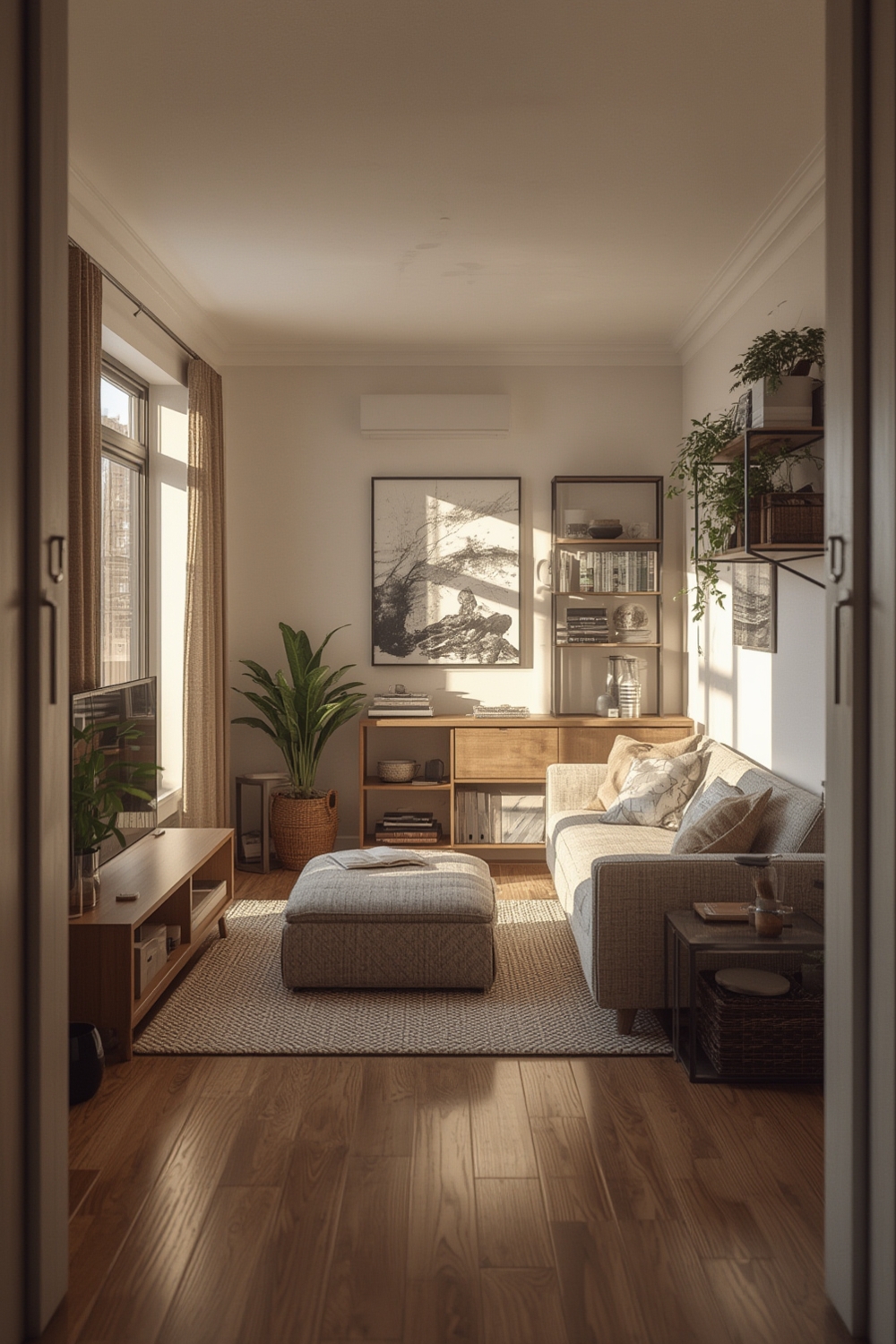
Quality small space organization can dramatically reduce everyday frustration, make cleaning easier, and even raise your home’s value. But with so many commercial gadgets and storage promises on the market, it’s important to focus only on what genuinely fits your life—not whatever is trending. You wouldn’t organize a Manhattan apartment the same way as you would a single-family home in the suburbs.
Ready to get tactical? Let’s dive in.
Step-by-Step Guide
Below are clear, realistic steps to start organizing even the smallest space. These strategies avoid the mistakes most people make when they rush to buy storage bins without a plan.
- Declutter first—and be ruthless. Take everything out of closets, drawers, or shelves. Separate into three piles: keep, donate/sell, and toss. Work one room at a time, and try to get rid of anything you haven’t used in the last 12 months.
- For closets: Use space-saving slim hangers to instantly increase clothing capacity.
- For living spaces: Remove large single-use furniture and consider switching to double-duty furniture solutions.
- Choose furniture that multitasks. Opt for a coffee table with built-in storage, folding dining sets, or beds with drawers. Multifunctional storage furniture is a game-changer for spaces that serve more than one purpose.
- Go vertical. Use wall-mounted shelves, over-door racks, and hanging organizers to free up floor area. Explore modular shelving for renters wanting flexibility without drilling permanent holes.
- Create zones. Even in a studio, define areas for sleeping, working, and eating. Use portable screens, small sofas for bedrooms, or nesting tables to separate and adapt spaces as needed.
- Maximize hidden storage. Ottomans, platform beds, or wardrobes with pull-out desks give you bonus stashing spots that don’t eat up visual space.
- Edit and adjust quarterly. Every few months, re-evaluate: Is your space working? What feels crowded or still hard to access? Pace your upgrades so you only buy storage opportunities that fill true gaps, not fill up with more stuff.
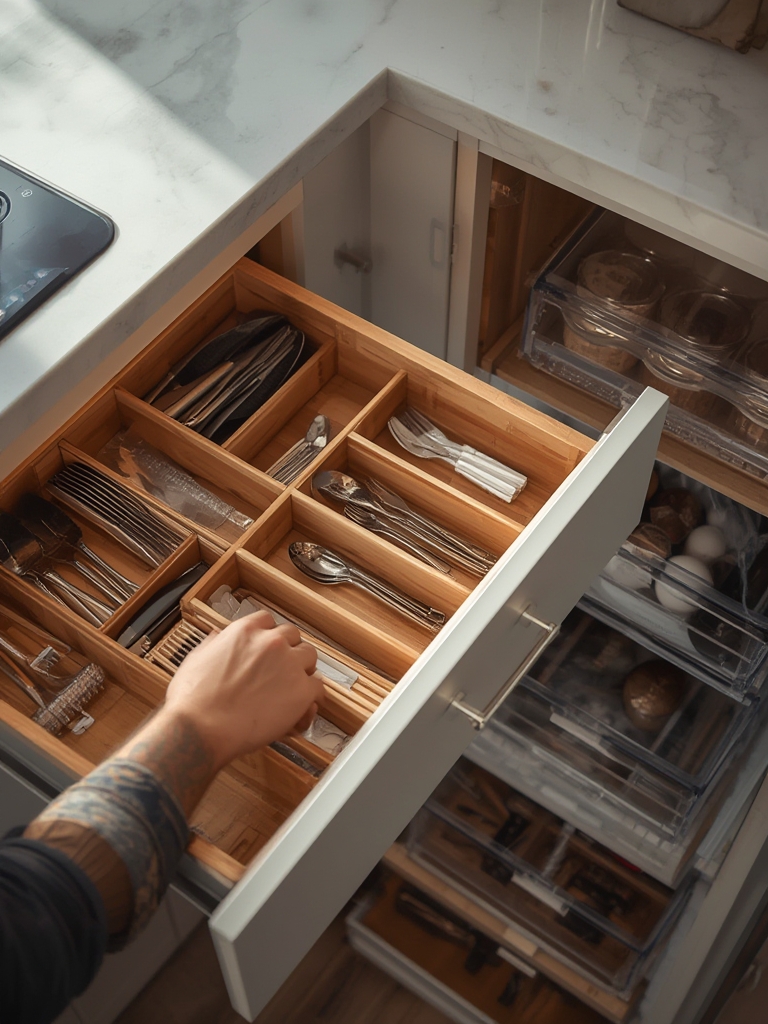
Remember, small space organization is about optimizing what you already own before introducing anything new.
Advanced Analysis & Common Pitfalls
Every organizing project comes with surprises—especially in city apartments with unique layouts or landlord restrictions.
- Overbuying storage products: It’s easy to get sold on bins and baskets, but buying before decluttering usually creates more clutter, not less.
- Single-function furniture: Avoid pieces that only do one job. In tight quarters, everything should serve double-duty when possible.
- Ignoring verticality and modularity: Underutilizing walls, the backs of doors, and stackable options usually means wasted space. Consider up-to-date storage trends and modular furniture to adapt as your needs change.
- Buying cheap plastic organizers: While affordable, they rarely last. Look for eco-friendly storage materials for a healthier, more attractive home.
- Poor lighting and visibility: Dark corners and overstuffed cabinets make it hard to find things and easier to forget what you have.
- Not measuring before buying: Always double-check dimensions. Many renters buy organizers that don’t fit their actual closets or cabinets.
| Pitfall | How to Avoid | Alternative Solution |
|---|---|---|
| Buying storage bins before decluttering | Purge first, assess storage needs second | Wait two weeks post-declutter before buying |
| Choosing single-use furniture | Invest in dual-purpose or modular pieces | Multifunctional storage furniture |
| Ignoring wall and vertical storage | Add shelves, hooks, or over-door solutions | Modular shelving |
| Buying organizers that don’t fit | Always measure spaces before purchase | Opt for adjustable or customizable systems |
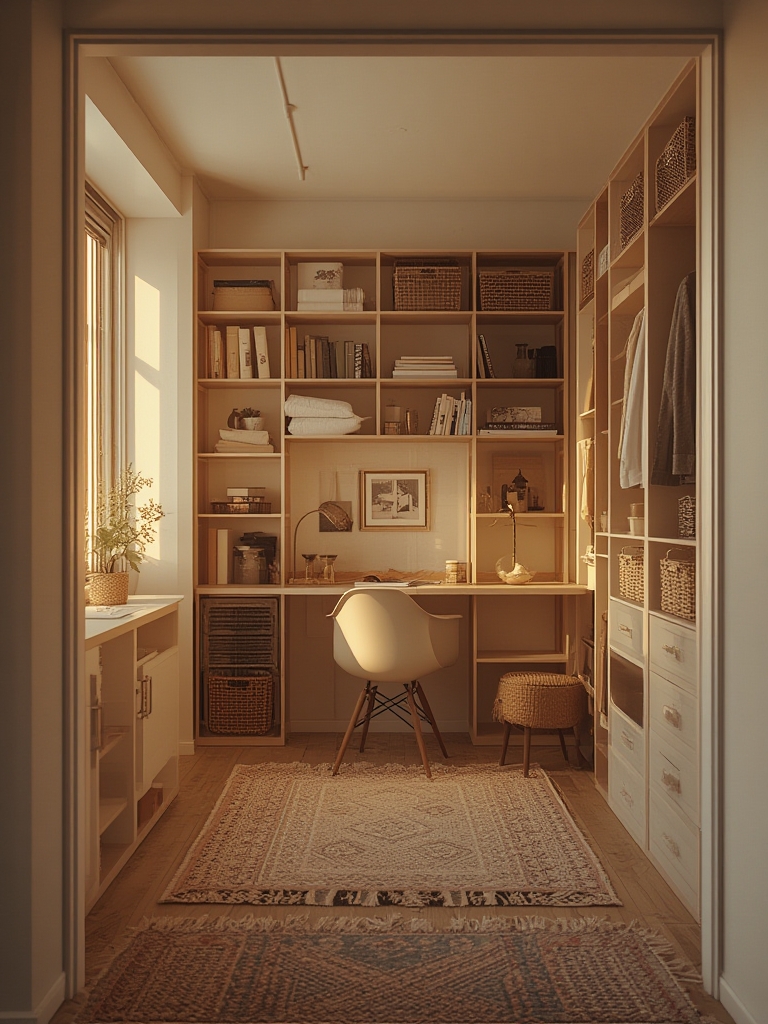
It’s also crucial to recognize that prices for storage solutions vary widely—with no strict correlation to quality. Many compact storage products cost between $20 and $80, but you should compare reviews before choosing, especially for specialized items like shoe organizers or modular setups.
For example, some renters report issues with over-door organizers not fitting thicker apartment doors, or modular shelving that lacks hardware for safe installation in rentals. When possible, check both expert and user reviews, and remember that in cities like San Francisco or Brooklyn, custom organizing systems may require landlord approval—a problem most product ads don’t disclose.
For more insight into space-maximizing techniques and recent innovations, check current averages and expert perspectives from trusted sources like Multifamily Executive and BASE4.
Conclusion
Organizing a small space isn’t about chasing Pinterest trends. It’s about smart decisions, editing honestly, and choosing durable, flexible products that truly fit your lifestyle. Whether you’re drawn to modular shelving, built-in storage solutions, or innovative small sofas for bedrooms, success means balancing aesthetics, function, and your real needs. Prioritize change you’ll maintain long-term and don’t get discouraged by slow progress. Start with these small space organization strategies—and see how far a tailored approach can take you.
Ready to transform your compact home? Commit to one change this week and explore our other guides for inspiration and practical solutions.
FAQ
What is the first step to successful small space organization?
Start by decluttering. Remove everything from your space, sort items into keep, donate, or toss, and only then assess what organizing products you truly need.
How can I organize without spending much money?
Use what you have first—repurpose boxes, install extra hooks, and adjust shelves. Only buy new storage after living in your newly organized space for at least two weeks.
What are some overlooked storage solutions for renters?
Modular shelving that doesn’t require drilling, slim-profile hangers, and wall-mounted folding tables are renter-friendly and don’t damage walls or floors.
Is multi-functional furniture really worth it?
Yes, especially in studios and cramped apartments. Pieces like storage ottomans or Murphy desks instantly add hidden storage and keep your space flexible.
How often should I update my organization system?
It’s smart to reassess every 3-6 months. Your needs will change, especially if your work or living situation shifts.