

Space-saving dining table for two—the must-have furniture solution for small urban apartments and compact kitchens—is increasingly in demand as city living spaces shrink and efficiency becomes essential.
Key Takeaways
- Compact dining tables for two are trending with a 9.38% search volume increase, especially among singles and apartment dwellers.
- The top user-driven features are extendability, true space-saving design, and built-in storage or foldability.
- Assembly challenges and material durability are recurring concerns—know what to check before you buy.
Table of Contents
What is a Space-Saving Dining Table for Two?
Space-saving dining tables for two are compact, consciously designed furniture pieces meant for small apartments, studios, or any dining nook where maximizing floor space is critical. Unlike larger conventional dining sets, these tables typically prioritize minimal surface area, clever use of shape (oval or round for easier circulation), and multifunctionality—think foldable sides or storage built right in.
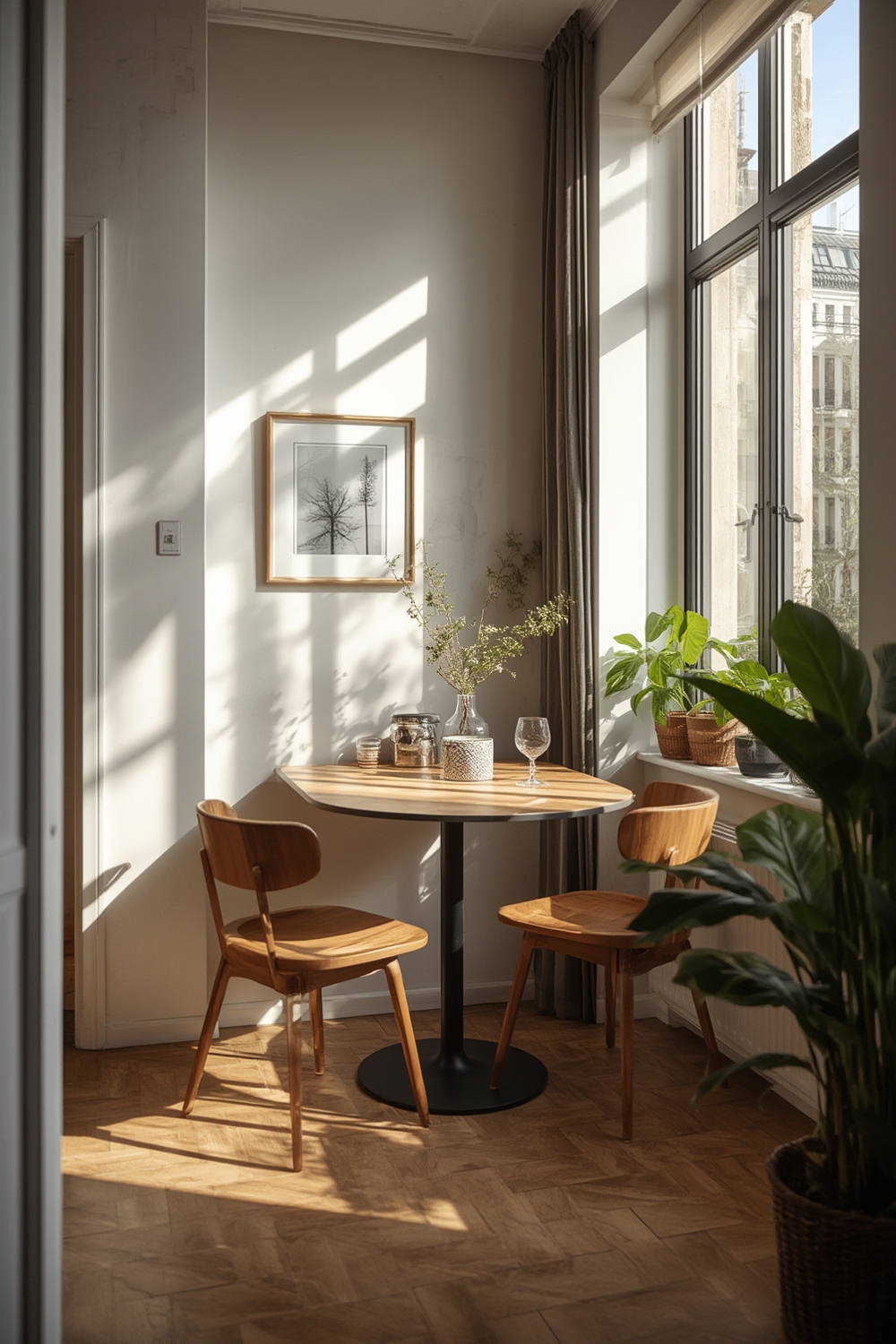
According to recent market reports, compact dining sets now account for a fast-growing segment, driven by urbanization, millennial buyers, and smaller living spaces. Major markets project continued growth, with compact tables moving 526–808 units monthly on Amazon alone.
Unlike standard dining tables measuring 60–72 inches in length, a genuine space-saving dining table for two is more likely to be under five feet, with 30–36 inches in width and 40–48 inches in length. Oval, round, or expandable options are especially prized for their flexibility and ability to fit tight layouts. For tight spaces, wall-mounted drop-leaf table or foldable alternatives can be a game-changer—explore them in more detail in our wall-mounted folding table guide.
It’s not just about fitting a table—today’s buyers want furniture that can serve double-duty, like those featured in our guide to double-duty studio apartment furniture.
How to Choose and Set Up Your Ideal Table
Selecting a space-saving dining table for two involves more than measuring your space. Here are highly practical steps to help you get it right:
- Assess your real-world usage. Is your table only for meals, or will it also be a laptop workstation, craft surface, or spot for guests? Prioritize tables that offer multi-use practicality.
- Measure accurately, both room and traffic zones. Allow at least 30 inches between the table edge and walls or furniture, so chairs can slide back without blocking walkways.
- Prioritize features that matter most. If you need to tuck the table away, look for folding or drop-leaf styles. Want storage? Seek built-in shelves or drawers. For adaptability, select extendable or wall-mounted tables, as they’ve shown a 6.2% annual growth in demand (Mordor Intelligence).
- Select the right shape and material. Oval or round tables avoid sharp corners in small spaces; wood offers warmth and durability, while metal or composite favors modern, easy-to-clean finishes (see the material comparison below).
- Expect to assemble. Most compact tables arrive flat-packed. If assembly isn’t your strength, budget for a handyman or request professional assembly—neglecting this step is a top pain point in customer reviews.
- Order from a retailer with clear quality control policies. Assembly and parts issues are common. Review seller feedback and return policies before purchase.
- Style with compact, movable seating. Consider chairs that tuck fully under the table or lightweight benches. For ideas, see our article on modular sofas for small spaces.
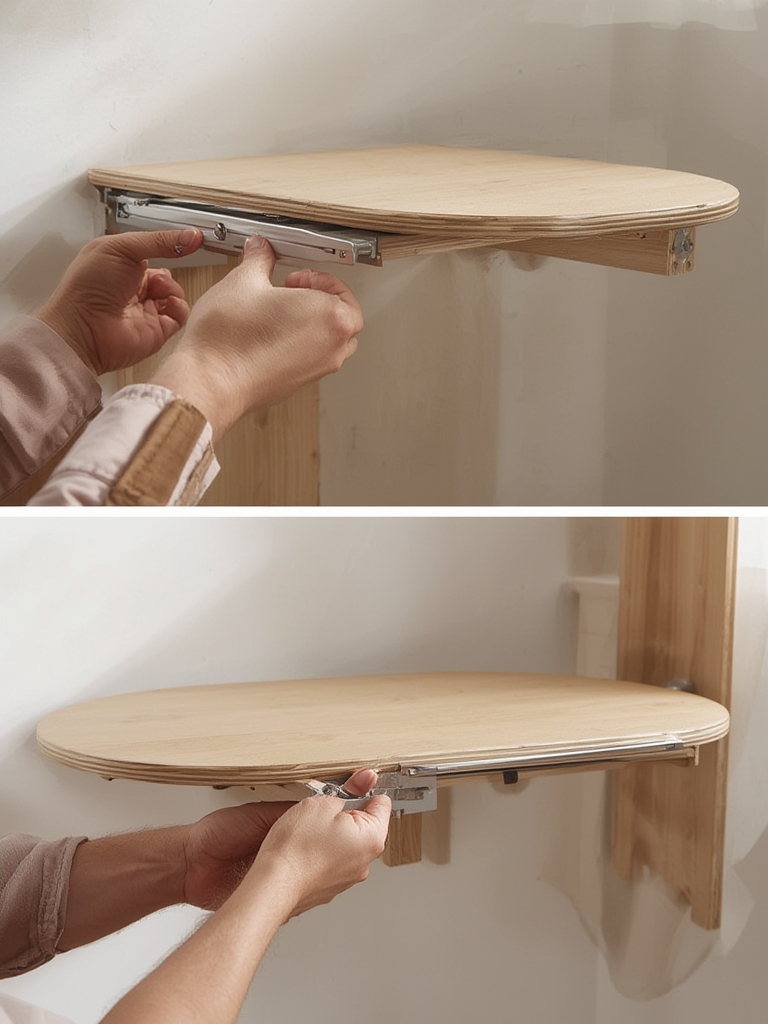
For extra-small living, a foldable dining table is often the only realistic solution. These tables pack flat against a wall or slip behind a door when not needed. Models with integrated storage can double as pantry or kitchen organization.
If you rent or want non-permanent furniture, scan our freestanding furniture guide for solutions that won’t cost your deposit or require landlord permission.
Common Pitfalls and Material Comparison
Even the best space-saving dining table for two can disappoint if you fall into common traps. Here’s what to watch for, and how various materials stack up in real apartments:
- Missing screws or unclear instructions are prime sources of frustration. Always check review feedback before purchasing.
- Material quality: Budget tables often use low-grade composites—attractive in photos but prone to early wear or wobble. Solid wood or quality metal frameworks last longer, especially in busy kitchens.
- Multifunctional compromise: Fold-out or extendable mechanisms may look smart but sometimes sacrifice stability. Try in-store, if possible, or read third-party assembly reviews.
- High-traffic hazards: Small apartments mean tables absorb more knocks and bumps. Rounded edges and robust finishes limit visible damage.
- Inadequate size for actual use: Some tables marketed as “for two” can barely fit two plates. Confirm surface measurements match your real-life habits.
| Material | Usability in Small Spaces | Durability | Aesthetics |
|---|---|---|---|
| Solid Wood | Excellent for high-traffic | High, especially premium woods | Warm, timeless aesthetic |
| Composite/Engineered Wood | Lightweight, budget-friendly | Lower; can scratch, chip | Modern, often minimalist |
| Metal | Great for slender frames; easy to move | Very high, but can feel cold | Industrial, sleek, modern vibe |
| Glass | Visually expands a room | Moderate; prone to fingerprints, breakage | Airy, contemporary look |
Wood remains the most sought-after material for both durability and aesthetics (Fortune Business Insights). Asia-Pacific leads trends for wooden furniture as city apartments pack in more residents. Metal and glass options, meanwhile, are often favored in ultra-modern compact settings for their lightness and sleekness.
Eco-conscious buyers should also consider sustainably sourced or recycled materials for environmental impact.
For true space savings, extendable or wall-mounted tables are unbeatable but can introduce moving parts that degrade with time. Mixing a nesting set for occasional expansion, as detailed in our nesting tables guide, is one smart workaround.

Before finalizing your pick, compare price points: High-end options with customizable materials, solid construction, and storage integration can cost several hundred dollars more than basic, mass-market tables. If your table will double as storage furniture, see our deep-dive on multifunctional storage furniture for even more ways to maximize every inch.
Finally, don’t overlook style. Curved tables, like those in our curved furniture guide, not only ease navigation in small dining zones but also soften the look of a compact home.
Conclusion
Choosing the right space-saving dining table for two is all about balancing available space, day-to-day needs, and long-term durability. The market is rich in options—from foldable drop leaf tables to sturdy solid wood sets—so measure carefully, vet materials, and prioritize the user-driven features most likely to enhance your living space. If you want to get the best out of your compact home, don’t compromise: invest in a space-saving dining table for two that’s genuinely built for both style and resilience.
Ready to upgrade your dining area? Explore our guides, compare models, and make your small space more livable—discover our handpicked foldable tables or see how you can optimize every room in your apartment!
FAQs
What is the ideal size for a space-saving dining table for two?
Look for tables around 30–36 inches wide and 40–48 inches long or under 5 feet total, allowing enough room for two people without crowding your space.
Are foldable and wall-mounted tables actually sturdy enough for daily use?
Quality foldable or wall-mounted tables can be very sturdy, but reviews reveal assembly matters. Opt for brands with solid wood or reinforced metal and check real buyer feedback on wobble and stability.
Which material is best for high-traffic small apartments?
Solid wood is highly durable and withstands frequent use, while metal frames offer lightness and easy handling. Composite or engineered wood is okay for infrequent use, but less robust over time.
How much should I expect to pay for a good space-saving dining table for two?
Budget options can start as low as $80–$150, but premium, customizable, or multifunctional tables with high-quality materials and integrated storage may cost $300–$700+.
How do I maximize storage with my compact dining set?
Choose models with built-in shelves or drawers, or supplement with wall shelving. Explore multifunctional furniture for more ideas in our multifunctional storage guide.