

Tiny homes are rapidly reshaping the housing market in 2024, offering an affordable, flexible path to homeownership while posing distinct space and design challenges. If you’re considering making the leap, read on for practical strategies, market insights, and honest advice rooted in the latest industry data.
Key Takeaways
- The tiny homes market is booming in North America, driven by affordability and shifting lifestyle priorities.
- Living small requires strategic organization and creative storage solutions to avoid frustration.
- Most online guides ignore common pitfalls; this article tackles both the upsides and the realistic challenges of tiny home living.
Table of Contents
What Are Tiny Homes and Why Are They Trending?
Tiny homes are compact residences, typically under 400 square feet, designed for efficiency, affordability, and flexibility. They have surged in popularity as people search for ways to escape rising housing costs and lead minimalist, intentional lives.
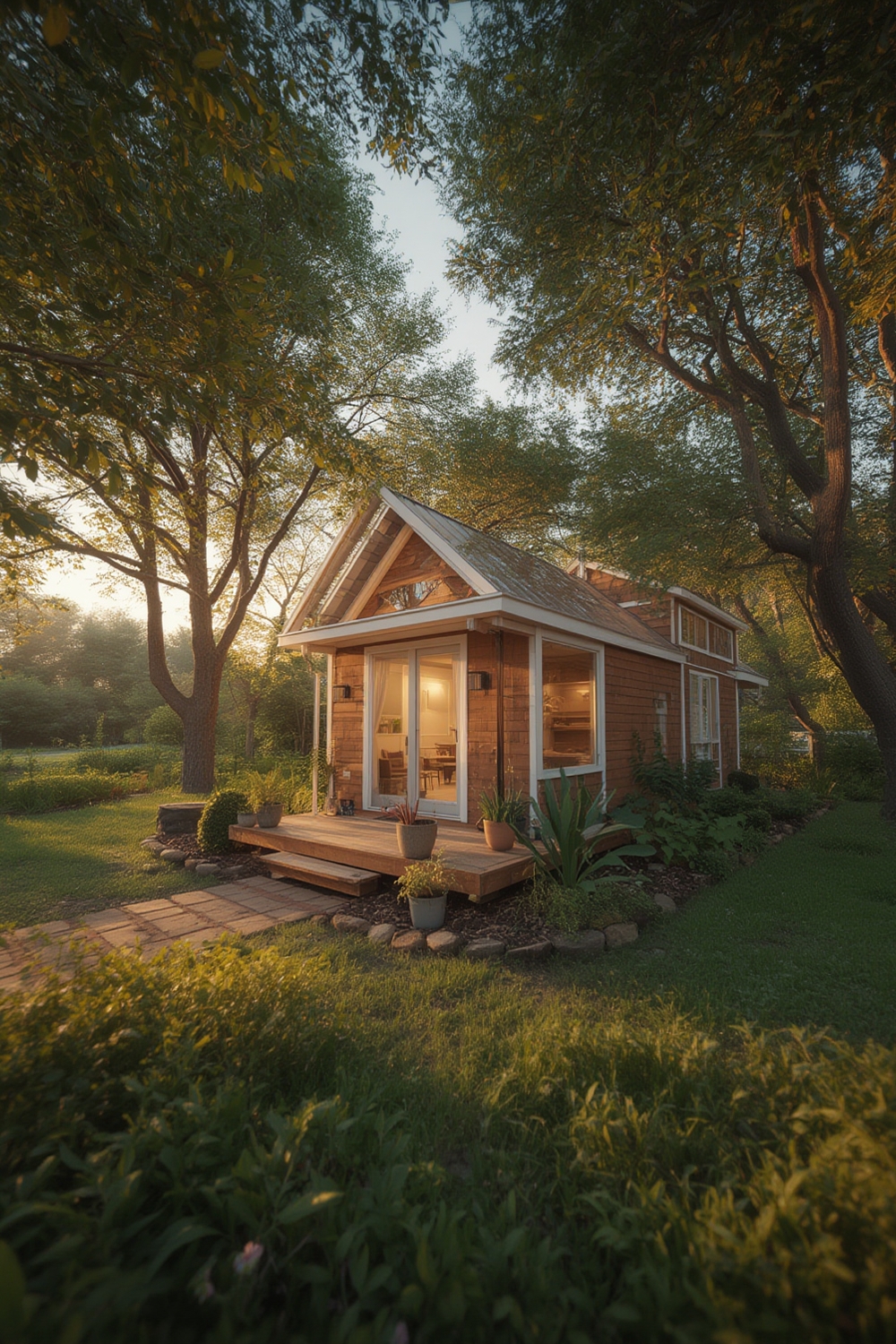
In 2024, the global tiny homes market is valued between $5.81 billion and $26.58 billion according to industry sources. Growth is robust, with North America—especially the U.S.—leading the way thanks to high housing prices, changing regulations (such as the 30% rise in Austin, Texas ADU permits), and a wave of early adopters.
Despite the market’s variety, one core benefit remains: tiny homes are dramatically more affordable than traditional housing options, putting homeownership within reach for many. Customization is increasingly common, but there’s currently no single average price due to varying features and finishes.
As the movement expands, the Asia-Pacific region is experiencing fast growth, while regions like South America lag behind due to infrastructure and awareness gaps. For those in the U.S. and Canada, tiny homes are quickly moving from quirky trend to mainstream housing solution.
For more on how adaptable furniture boosts tiny living, explore multifunctional storage furniture and built-in storage solutions.
Step-by-Step Guide: Designing, Organizing, and Living Well in a Tiny Home
Ready to make the most of your small space? Here’s a realistic, step-by-step approach to designing and organizing a tiny home that actually works for modern living.
1. Plan Your Layout Around Daily Routines
Begin with a rough map showing where major life activities happen. Position your bed for privacy but within range of natural light. Cluster high-use areas—like kitchen and living—close together to simplify utilities and wiring.
2. Go Vertical with Storage
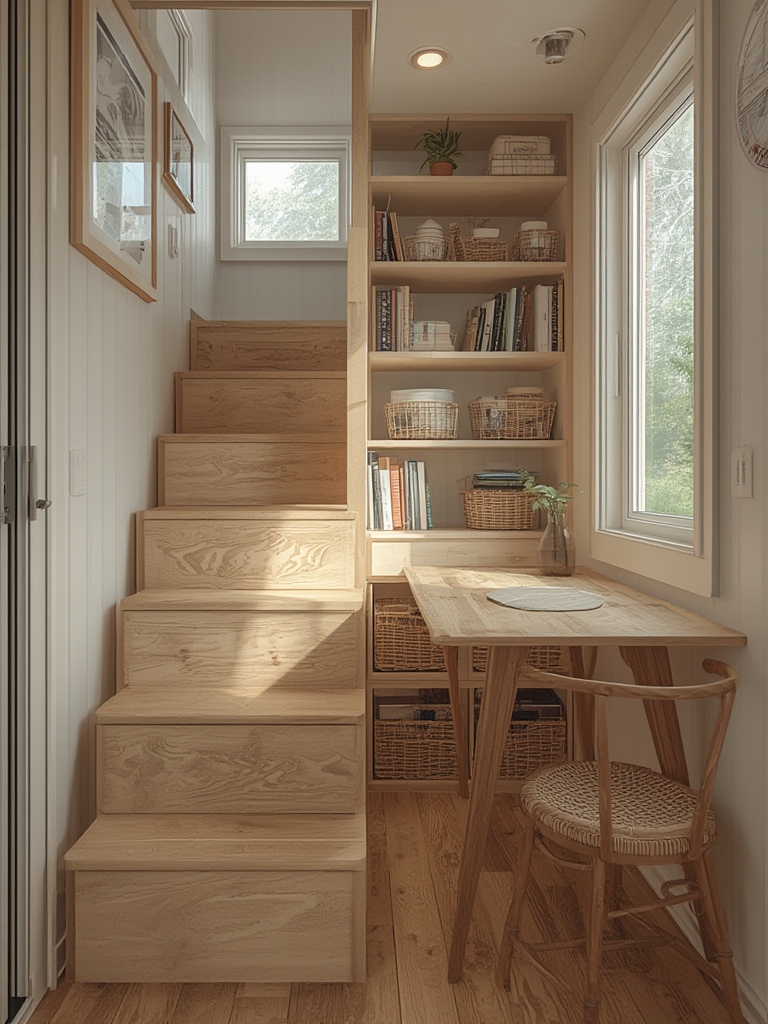
Floor space is limited, so you need to “build up.” Install floor-to-ceiling storage, wall hooks, and open shelving. Consider lofts for sleeping or storage, which is a hallmark of smart 2024 minimalist layouts.
3. Invest in Multi-Functional Furniture
Furniture that performs double or triple duty is crucial. Look at small sofas for bedrooms, modular seating, and dual-purpose storage. A wall-mounted folding table can be transformed from dining surface to work zone in seconds.
4. Opt for Light, Bright, and Airy Designs
Use pale, reflective surfaces and maximize natural light to visually expand your space. Avoid large, dark furniture that visually weighs the room down.
5. Don’t Overlook “Invisible” Storage
Sneak in storage under stairs, platforms, or window seats. Every hidden nook counts. Check out ideas for freestanding furniture if you’re renting land or want a non-permanent solution.
6. Smart Tech and Sustainability
Invest in compact smart appliances and sustainable materials. Choose eco-friendly storage options like bamboo or recycled bins, which support both the planet and your storage needs.
Advanced Analysis & Common Pitfalls of Tiny Home Living
Tiny homes offer many benefits, but moving into a truly small space is not all smooth sailing. Here’s an honest look at challenges, misconceptions, and overlooked drawbacks—plus how to sidestep them.
Common Pitfalls
| Pitfall | Why It Happens | How to Avoid |
|---|---|---|
| Poor organization leads to clutter | Underestimating storage needs or relying on single-function furniture | Strategically plan for modular or dual-purpose furniture, like those in this multifunctional guide |
| Over-designing with bulky furniture | Attempting to use regular-size sofas or tables in tight spaces | Stick to small sofas designed for bedrooms and compact rooms |
| Feeling boxed in or claustrophobic | Lack of windows, dark colors, too much visual clutter | Prioritize large windows, glass doors, and keep lines of sight open |
| Land, rental, and resale headaches | Zoning laws, high land costs, resale restrictions noted in market research | Consult local regulations early, and research mobile versus stationary options (over 52% of tiny homes are mobile) |
| Unexpected materials or labor costs | Lack of accurate budget guidance for 2024; market includes prefab, 3D printed, and custom | Compare multiple vendors and include a buffer for unexpected expenses |
Misconceptions about Tiny Home Living
- Smaller doesn’t always mean cheaper—custom tiny homes or mobile units can rival apartment rents.
- The minimalist look is not easy to maintain; without rigorous organization, clutter quickly overwhelms.
- Tiny homes are not universally legal—local zoning and safety laws vary dramatically.
Top-ranking tiny home guides rarely discuss these real struggles. Most focus solely on market size or visuals, skipping hands-on owner experiences, proven organization strategies, or common mistakes.
If you want more on practical space-saving ideas, see nesting tables and oversized wall art for small rooms.
Conclusion
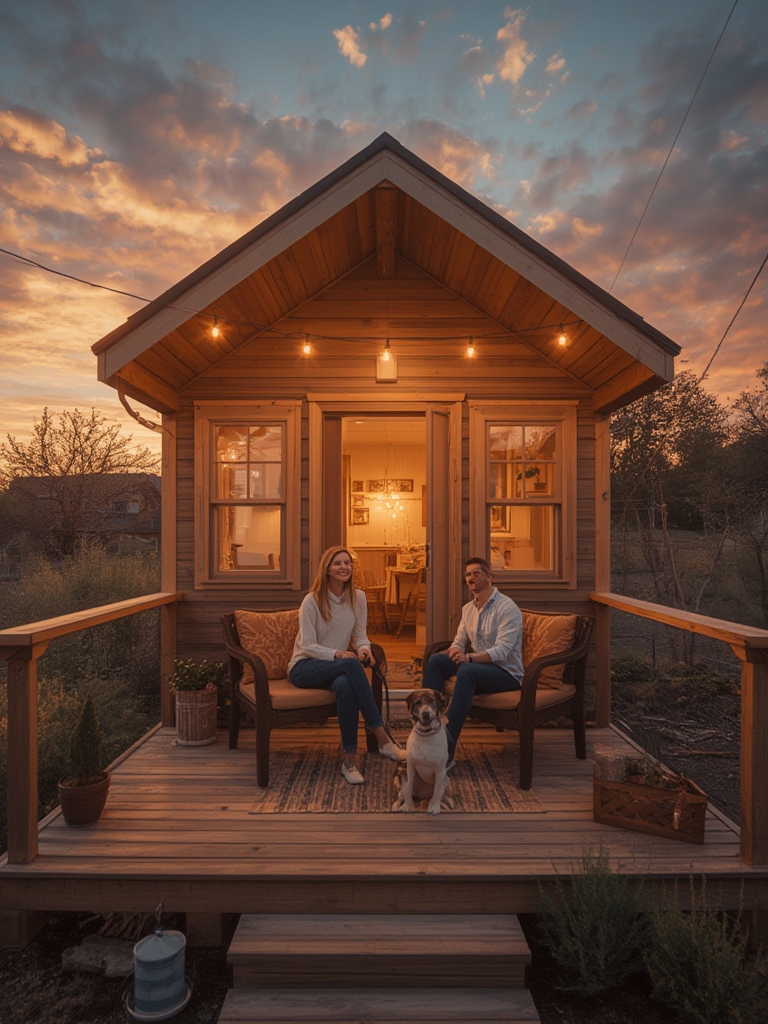
Tiny homes are more than a housing shortcut—they require intention, creativity, and honest appraisal of your lifestyle. Understanding the market, choosing the right layout, and investing in functioal design can protect your investment and boost your quality of life. Ignore glossy myths and focus on what’s practical for you—embrace the advantages, solve for the pitfalls, and you’ll discover why the tiny homes movement is more relevant than ever in 2024. To start your journey, explore innovative furniture and organizing strategies that maximize every square inch.
Ready to transform your living situation? Dive into more ideas and get inspired by the best small-space solutions on Maximize Small Space.
FAQ
Are tiny homes actually legal everywhere in the US?
No. Laws and zoning regulations are highly local—some cities and counties embrace tiny homes, while others prohibit or severely restrict them. Always check with your municipality before building or buying.
How do I prevent tiny home clutter?
Utilize built-in, vertical, and hidden storage. Every item should have a dedicated spot, and where possible, storage should double as usable furniture—read about multifunctional storage furniture for inspiration.
What is the typical cost to build or buy a tiny home in 2024?
There’s no single answer due to differing features, materials, and locations. The key driver is affordability compared to standard homes, but customized tiny homes and mobile units can cost as much as small apartments. Get multiple quotes and factor in land or lot costs.
What is the biggest challenge first-time tiny home owners face?
Most struggle with organization and adjusting to the limitations of small space living. It’s not just physical downsizing—it requires ongoing discipline and smart design. Look for furniture that adapts and reconfigures to your needs.
Can I finance a tiny home like a regular mortgage?
Not always. Many banks won’t offer traditional mortgages for tiny homes, especially mobile or non-permanent models. Specialized lenders may exist, but expect different terms and higher down payments.
[…] hangers that increase capacity without jamming closet doors. For flexible, mobile storage, explore tiny home organization tips—many strategies work equally well for renters and condo […]