

Wall-mounted folding tables solutions are changing the way people manage small spaces, delivering practical workspace, dining, and storage—without eating up precious floor area.
Key Takeaways
- Wall-mounted folding tables deliver instant space savings for apartments, offices, and tiny homes by providing functional surfaces only when needed.
- Installation requires careful planning, stable mounting, and knowing potential weak points to avoid costly mistakes or accidents.
- Market trends show enormous growth for folding furniture, especially in urban settings—yet critical product info and user feedback remain scarce.
The Core Concept
Wall-mounted folding tables, sometimes called drop-leaf or fold-down wall desks, are compact furniture designed to maximize usable space in tight homes, offices, and multipurpose rooms. When not in use, the table folds flat against the wall, freeing up every inch for other activities. When needed, it drops down to serve as a work desk, dining table, or even a mini bar.
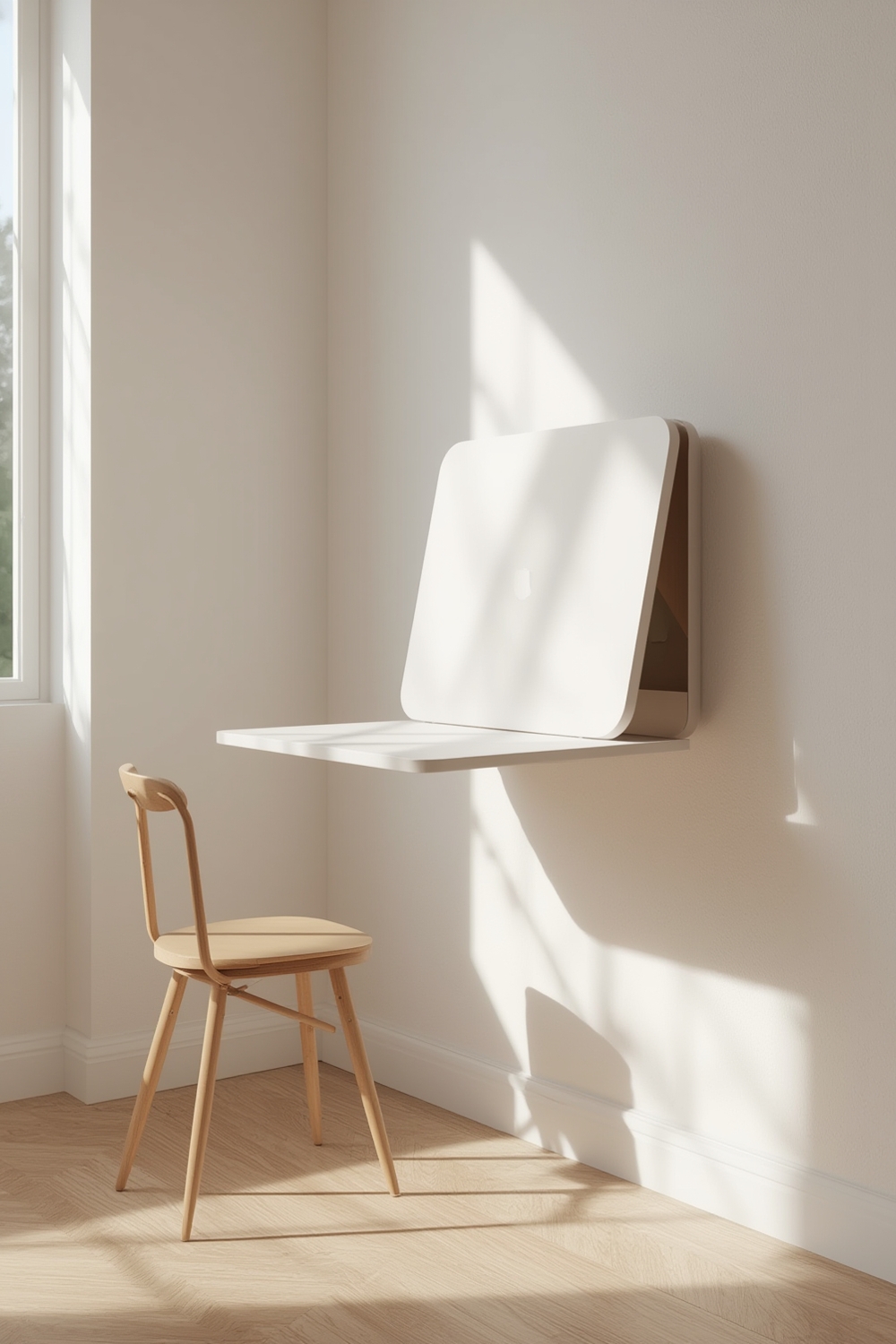
Urban apartments and micro-living spaces have fueled demand for this solution. In 2024, the folding furniture market reached as much as USD 10.76 billion worldwide, with the residential sector holding a 68.1% share. According to Credence Research, the Asia-Pacific region captured over 42% of revenue. While wall-mounted folding dining tables alone are estimated at over USD 1.18 billion, data on technical details and user opinions is strikingly rare.
If you are struggling to fit a large desk, table, or hobby surface into a tight bedroom or office, this approach is worth considering. Even better, combining a wall-folding table with multifunctional storage furniture lets you pack even more efficiency into your home.
Step-by-Step Guide
Installing a wall-mounted folding table is a practical DIY project if you approach it with patience and proper planning. Follow these steps to ensure safety and stability:
- Measure your space carefully. Consider the folded depth, the unfolded dimension, and any objects or doors that could get in the way. Use painter’s tape to mark out the table’s open footprint on your wall and floor.
- Choose the best mounting location. Most tables require solid wall studs. Avoid mounting over electrical wires or plumbing. If possible, choose a stud near a corner for extra strength.
- Select your table model. Look for weight ratings that exceed your planned use. For heavy loads or rough daily folding, consider industrial models with quality hinges and strong mounting plates. Some buyers consider pairing the setup with freestanding furniture for renters to avoid permanent installation.
- Gather tools and review instructions. You’ll need a stud finder, drill, level, screws or anchors rated for substantial weight, and possibly a helper for large or solid wood panels.
- Install the mounting bracket. Follow your model’s instructions. Always drill into the center of wall studs. Double-check for levelness before fully tightening screws.
- Attach the folding surface and supports. Most designs use sturdy folding brackets or a hinged leg that tucks away. Confirm operation is smooth and nothing wobbles before loading the surface with objects.
- Test thoroughly. Apply gradual weight up to the stated maximum. Open and close the table several times. Listen for creaks or see if anything shifts—if so, fix it before daily use.
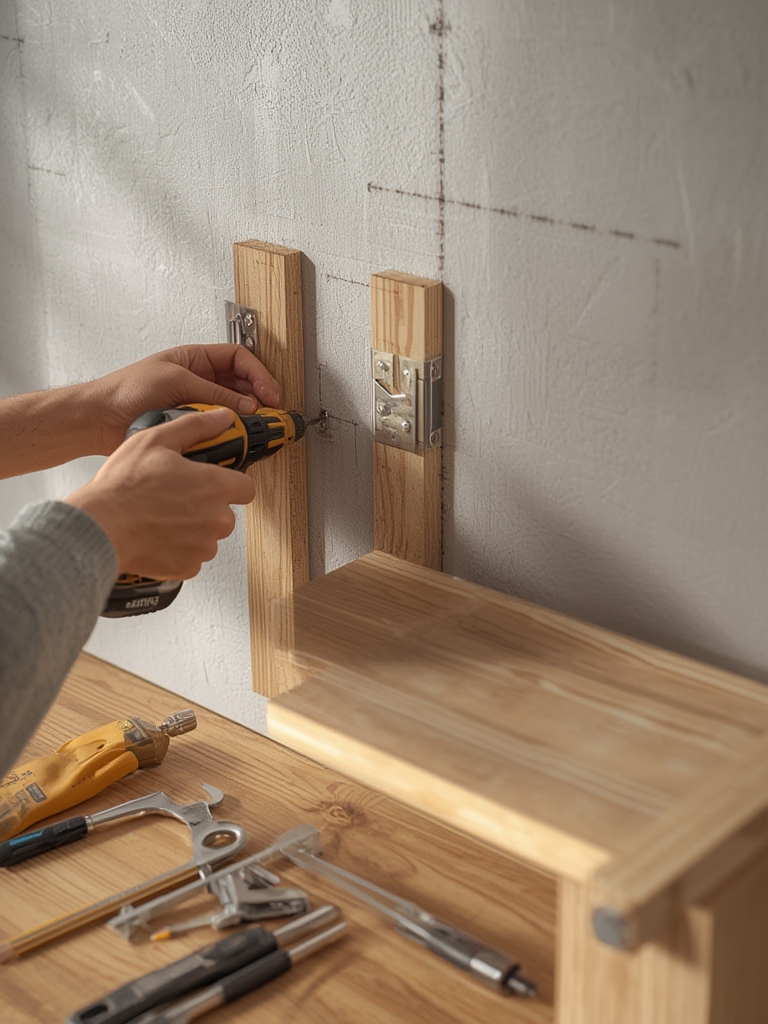
Maintenance: Periodically check the mounting hardware, brackets, and folding mechanism for wear, especially if you use the table several times daily. Tighten any loose screws or bolts. If your wall-mounted table contains storage compartments, consider using eco-friendly storage bins to keep clutter to a minimum.
These tables are especially popular for small bedroom furniture projects, turning a sleeping area into a daytime office or hobby nook in seconds. Sometimes, using a small sofa or convertible seating alongside your folding table makes a tight space feel noticeably larger and more inviting.
Advanced Analysis & Common Pitfalls
While wall-mounted folding tables have clear benefits, there are real risks to keep in mind—especially given the lack of published technical specs and user reviews. Most mistakes involve poor wall anchoring, wrong hardware, or simply overestimating how much weight the setup can handle.
| Pitfall | What Happens | How to Avoid |
|---|---|---|
| Poor stud anchoring | Table pulls away from wall; expensive repairs needed; dangerous slips | Always mount to studs. Never trust drywall anchors alone. |
| Using low-grade hinges/hardware | Sagging surface, unsafe or sudden collapse | Purchase from known brands. Upgrade to high-quality folding brackets if needed. |
| Ignoring manufacturer’s weight rating | Bent brackets, broken wall, voided warranty | Read (and trust) maximum capacity specs. Err on the cautious side. |
| Wrong use for table type | Keyboard vibrations, spilled drinks, unstable for dining | Select a table sized and engineered for how you actually plan to use it. |
| Renters damage wall | Loss of deposit | Use a backing plate or choose non-permanent renter-friendly alternatives. |
Despite their growing use, most research sources—including Growth Market Reports—do not publish standardized specs or lab test results for wall-mounted folding tables. This makes direct product-to-product comparison tricky for buyers or designers needing specific durability or safety benchmarks.
Always refer to current folding furniture industry data for emerging trends, but do your own due diligence at the point of purchase. Consider looking for furniture certified for specific load ratings, especially if it will be used around children or in offices.
Conclusion
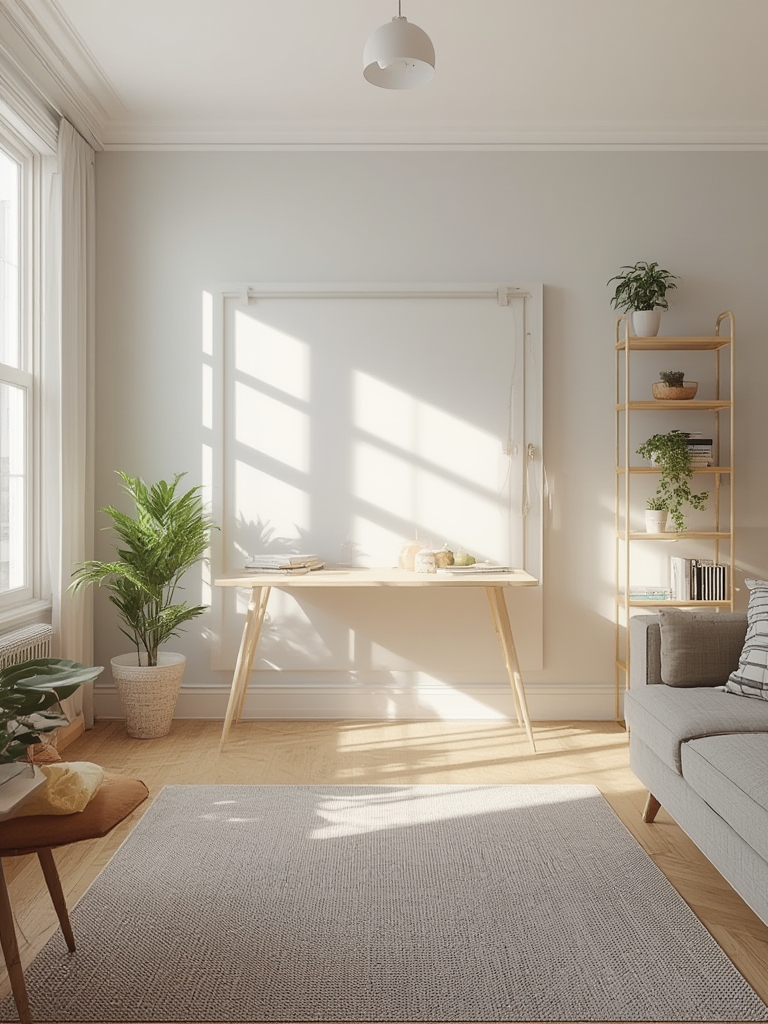
Wall-mounted folding tables are one of the most effective ways to reclaim lost space in a compact room, turning any blank wall into a useful, clutter-busting asset. From urban apartments to multi-function guest rooms, these solutions provide flexibility without permanent sacrifice. While the market and demand are rapidly growing, it pays to plan carefully and understand the risks before installing.
If you’re ready to make the most of your limited space, consider integrating a wall-mounted folding table today. Be sure to prioritize safe installation and—if sustainability or storage is your goal—pair it with eco-friendly storage solutions or multifunctional units designed for small homes.
Maximize your comfort, style, and square footage—starting with one wall.
FAQ
How much weight can a wall-mounted folding table hold?
This varies widely by design and installation method. Always check manufacturer specifications. For safety, only mount to wall studs and never exceed listed weight capacity.
Can I install a wall-mounted folding table in a rental apartment?
Yes, if your landlord allows it. To avoid permanent damage, mount the table to a removable plywood board secured to studs, or choose renter-friendly, freestanding furniture options.
Are wall-mounted folding tables safe for kids’ rooms?
If the table is professionally installed and used as intended, it can be safe for older children. Never allow climbing or hanging from the table, and always check that folding mechanisms lock securely.
What’s the difference between a wall-mounted folding table and a murphy desk?
Both fold away against the wall. Murphy desks often include storage or cabinetry and can be larger. A folding table is typically simpler and faster to install for short-term workspace needs.
What should I store with my wall-mounted folding table?
Use compact, eco-friendly bins or trays to keep office supplies, craft tools, or mealtime items organized and quickly accessible.
[…] art with subtle, streamlined pieces—think modular sofas for small spaces or a space-saving wall-mounted folding table […]
[…] Using wall-mounted folding tables or compact surfaces alongside your modular sofa lets you convert your living space from lounge to work or dining area […]
[…] Unlike standard dining tables measuring 60–72 inches in length, a genuine space-saving dining table for two is more likely to be under five feet, with 30–36 inches in width and 40–48 inches in length. Oval, round, or expandable options are especially prized for their flexibility and ability to fit tight layouts. For tight spaces, wall-mounted drop-leaf table or foldable alternatives can be a game-changer—explore them in more detail in our wall-mounted folding table guide. […]